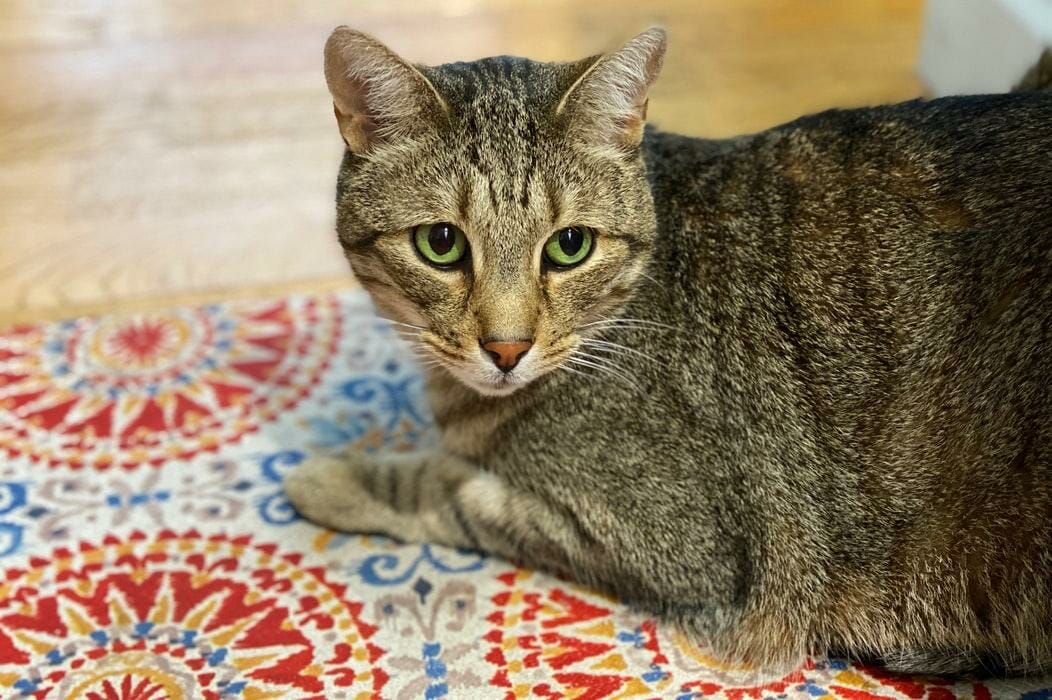

Last winter, I found Minette, my small tabby cat, curled up beneath a soggy old cardboard box in the garden. She was trembling despite her thick coat, and the pleading look in her eyes broke my heart. That was the moment I understood something important: cats need a real, warm shelter to get through the cold months safely. If you want to offer your outdoor cat, or even an indoor cat that tends to feel the cold, a snug little hideaway, here are the practical tips that make the biggest difference.
A well-designed shelter can completely change how a cat experiences winter. No more icy nights, no more mornings when you find your pet stiff and miserable on the doormat. With the right materials and a few simple building choices, you can create a warm, protective space that helps your cat stay comfortable, dry, and calm all season long.
Why Your Cat Needs a Winter Shelter
Even though domestic cats descend from hardy desert hunters, their bodies still react sharply when temperatures drop. Contrary to a common belief, not every cat handles cold weather in the same way.
Outdoor cats do usually grow a denser coat, but that alone is not always enough. Once the temperature falls below 5°C, even the toughest cats start looking for a protected place to rest. I’ve seen this again and again with my own cats: as soon as the weather turns, they begin checking every corner of the garden as if searching for the perfect winter retreat.
A sheltered space also helps your cat conserve energy. Keeping warm requires effort, and a properly insulated cabin reduces the strain on the body. That means more comfort, less exhaustion, and a better chance of getting through winter in good shape. In that sense, a winter shelter is not a luxury; it is a practical investment in your cat’s health and well-being.

Choosing the Best Location for the Shelter
Where you place the cabin matters just as much as how you build it. After several attempts with my own cats, I’ve learned that location can make or break the entire project.
Start by choosing a spot protected from the prevailing wind. Watch your garden for a few days and notice where the strongest gusts come from. Then place the shelter on the opposite side, ideally against a wall or beneath an awning. My cats love theirs near the garage, where it stays dry even during heavy rain.
A south- or southeast-facing position is especially useful because it captures the morning sun. It is lovely to see Félix poke his head out just as the first light appears. Try to avoid any area where water collects, since dampness is one of the biggest enemies of a comfortable cat shelter.
It also helps to raise the cabin slightly off the ground, even if only by a few centimetres. This limits direct contact with cold, wet soil. A simple pallet or a few sturdy boards are often enough to do the job.
Materials That Provide Real Insulation
The secret to a warm shelter lies in choosing materials that actually insulate well. Over the years, I’ve tested several options, and the results were sometimes surprising.
Straw remains my favourite insulating material. Unlike hay, which tends to hold moisture, straw naturally repels water and keeps its insulating properties even in difficult weather. My cats love burrowing into it until only their ears are visible. For good insulation, aim for a layer about 10 to 15 cm thick.
For the structure itself, wood is still the best choice. Use boards that are at least 2 cm thick, or double up thinner boards to improve protection. Marine plywood also holds up very well against bad weather. Metal, on the other hand, should be avoided because it turns into a cold surface far too easily.
Did you know? Blankets and ordinary fabrics can become risky if they freeze. Straw and other natural materials retain their insulating properties even in severe cold.
One especially effective trick is to build a double wall with an air gap between the two layers. That still pocket of air acts as a powerful natural insulator. I have noticed a difference of several degrees with this simple method, which can make a real impact on very cold nights.
Building the Cabin Step by Step
You do not need to be an expert DIY builder to make a good cat shelter. With basic tools and a little patience, you can create something sturdy, practical, and long-lasting.
Begin by getting the size right. If the shelter is too large, it will lose too much heat. If it is too small, your cat will feel cramped. The ideal size is one in which your cat can stand up, turn around, and lie down comfortably. For a medium-sized cat, roughly 60 cm long, 40 cm wide, and 40 cm high is a sensible starting point.
The entrance deserves special attention. A hole of around 20 to 25 cm in diameter allows easy access while limiting heat loss. It is better to place the opening slightly to one side rather than in the centre, because that creates a small corridor that helps block drafts.
Add a few discreet ventilation holes near the roof. These help reduce condensation while keeping the air inside healthy. In a well-ventilated shelter, cats can stay warm without breathing stale air.
Make sure the roof is firmly fixed and has a slight slope so rain and snow drain away easily. A removable roof also makes cleaning and bedding changes much simpler.
Creating a Comfortable Interior
The inside of the shelter is what turns a plain box into a genuinely inviting refuge. Small details matter when you want to make a cat feel safe and warm.
First, line the floor with a plastic sheet before adding insulation. This creates a waterproof barrier that protects the straw from rising damp. On top of that, add a generous amount of straw and shape it into a shallow nest so your cat can settle in naturally.
You can also place an old fleece towel in the centre. Many cats enjoy the softness, and it adds an extra layer of comfort. Dark colours are a good choice because they absorb heat better from the sun.
“A well-designed shelter can save a cat’s life in severe cold. It is our responsibility to look after our four-legged companions.”
For particularly cold periods, a lukewarm hot-water bottle wrapped in cloth can provide extra comfort. It should never be hot, and it should be refreshed morning and evening during the harshest weather. That small gesture can make winter nights far more bearable.
Maintaining the Shelter Throughout Winter
A shelter only remains effective if it is kept in good condition. Regular maintenance preserves insulation and makes the space more inviting for your cat. It also helps you avoid hygiene problems and unwanted pests.
Replace the straw as soon as it becomes damp or compacted. During winter, doing this once a month is usually enough, though you may need to check more often after heavy rain or snow. Use that opportunity to inspect the structure and tighten any loose screws.
Keep an eye on signs that the shelter is being used: fur, claw marks, or straw that has been pushed aside all suggest that your cat has adopted the new space. If the shelter remains untouched, that may point to a problem with the placement or the design.
Clear snow, leaves, and other debris from the entrance regularly. A clear opening encourages use and helps prevent your cat from being discouraged by difficult access.
Create the Winter Retreat Your Cat Deserves
Building a winter shelter for a cat is much more than a simple DIY project. It is an act of care that can genuinely make a difference during harsh weather. Every cat deserves a protected, cosy place to retreat when the temperature drops.
It is best to start before the first frosts arrive. Your cat may thank you in its own quiet way, perhaps with a contented purr from inside its new hideaway. If you have already made a winter shelter for your own pet, the same principles can help improve it further: keep it dry, insulated, slightly raised, and easy to enter. Those basics are what turn a box into a safe refuge.
latest posts published

Death and Inheritance Rights: Who Inherits Your Pet? What You Need to Know

Senior Dog Kibble: At What Age Should You Switch?

Which Dog Breeds Don’t Shed Hair?

Bringing Your Dog or Cat to the Casino: Is It Really Possible?

What Are the Most Beautiful Cat Breeds?

Why Does My Dog Close Its Eyes When I Pet Its Head?
How to Clean Your Cat’s Ears Without Stress

Sterilizing My Cat: The Real Pros and Cons

Is a Croissant Safe for Your Dog?