

It’s 2 a.m., and your dog has suddenly started behaving in an unusual way. He seems unwell, and you are worried. At this hour, and on this day, finding immediate help is not easy. Most veterinarians in your area are likely at home asleep. So what should you do? Where can you find an emergency veterinarian?
This article explains the main ways to reach emergency veterinary care for your pet. We will look at at-home emergency services, 24-hour veterinary clinics, and how to find an emergency veterinary phone number.
The role of at-home emergency veterinary services
At-home emergency services are worth considering when your pet is in distress. They can be especially useful late at night or when you are unable to travel.
Many veterinarians offer house calls, either as part of their practice or as a dedicated emergency service. To find them, search online using terms such as “veterinarian at home” followed by your city name. For example, a search for “veterinarian at home Nice” should return a list of nearby contacts.
You can also find these services through dedicated mobile apps, which often include a database of veterinarians available for home visits.
24-hour veterinary clinics
The second option is to go to a veterinary clinic that stays open 24 hours a day, also known as an on-call or emergency clinic. These clinics are specifically designed to handle animal emergencies at any time, day or night.
To locate one, search online for “24-hour veterinary clinic” plus your city name. Another practical solution is to use a specialist service such as Vétérinaires 2 toute urgence, which can identify the nearest on-call veterinary clinic simply by entering your postal code. It is a good idea to save these details somewhere easy to access so you can find them quickly when needed.
When you call a 24-hour clinic, be ready to describe your pet’s symptoms clearly. This helps the staff assess how urgent the situation is and give you the right guidance.
Emergency veterinary phone numbers
If you cannot find a house-call veterinarian or an open clinic, the last resort is to call an emergency veterinary number. These numbers operate 24/7 and provide telephone support to help assess your pet’s condition.
To find an emergency veterinary number, check the website of the Ordre national des vétérinaires. It lists emergency numbers by region. You can also ask your regular veterinarian for this information, as these numbers are often displayed in veterinary clinics.
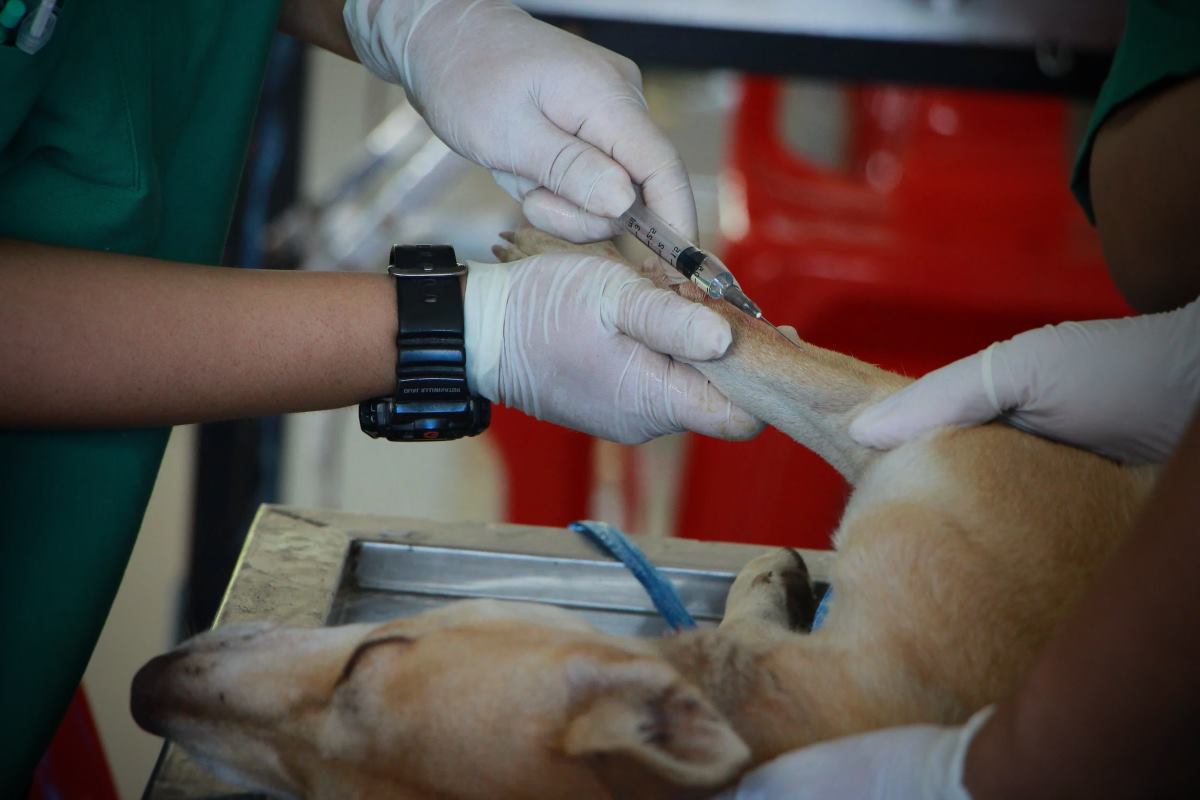
How to recognise a veterinary emergency
Before contacting an emergency service, it is important to decide whether your pet is truly in distress. Certain signs may point to a veterinary emergency, including sudden changes in behaviour, difficulty breathing, severe vomiting or diarrhoea, or an inability to stand or walk.
If you are unsure how serious the situation is, do not hesitate to contact a professional. It is always better to act early than to wait too long.
Online veterinary consultations in an emergency
With today’s technology, online veterinary consultations have become a useful option in urgent situations. These services usually work through video calls, allowing you to show your pet to a veterinarian, who can then assess the situation and tell you what to do next.
Several platforms offer this service, and some are available 24 hours a day. That makes them especially helpful for nighttime emergencies or for situations that happen outside clinic opening hours. A search for “online veterinary consultation” should help you find available options.
It is always better to have a plan in place before an emergency occurs. Keep these options in mind and make sure you have the necessary contacts saved in your phone or written down somewhere easy to reach. That way, you can act quickly and effectively when your pet needs help.
Preparing ahead for veterinary emergencies
Being prepared for a veterinary emergency can make a real difference. It can help you move from panic to fast, practical action.
First, make sure you know your regular veterinarian and have the phone number readily available. That may sound obvious, but in a stressful moment, even basic details can be hard to remember. Also check the opening hours of your veterinary practice.
Second, learn where the nearest 24-hour veterinary clinics are located. It is much easier to know the route in advance than to try to find it during a crisis.
Next, look into at-home emergency veterinary services in your area. They can be invaluable when your pet is too ill to travel or when you are unable to reach a clinic. For example, if you live in Nice, a simple search for “veterinarians at home Nice” should give you a list of contacts.
Finally, write down the number of an emergency veterinary service. SOS vétérinaire is a 24-hour service. If you are unsure about your pet’s condition, do not hesitate to call.
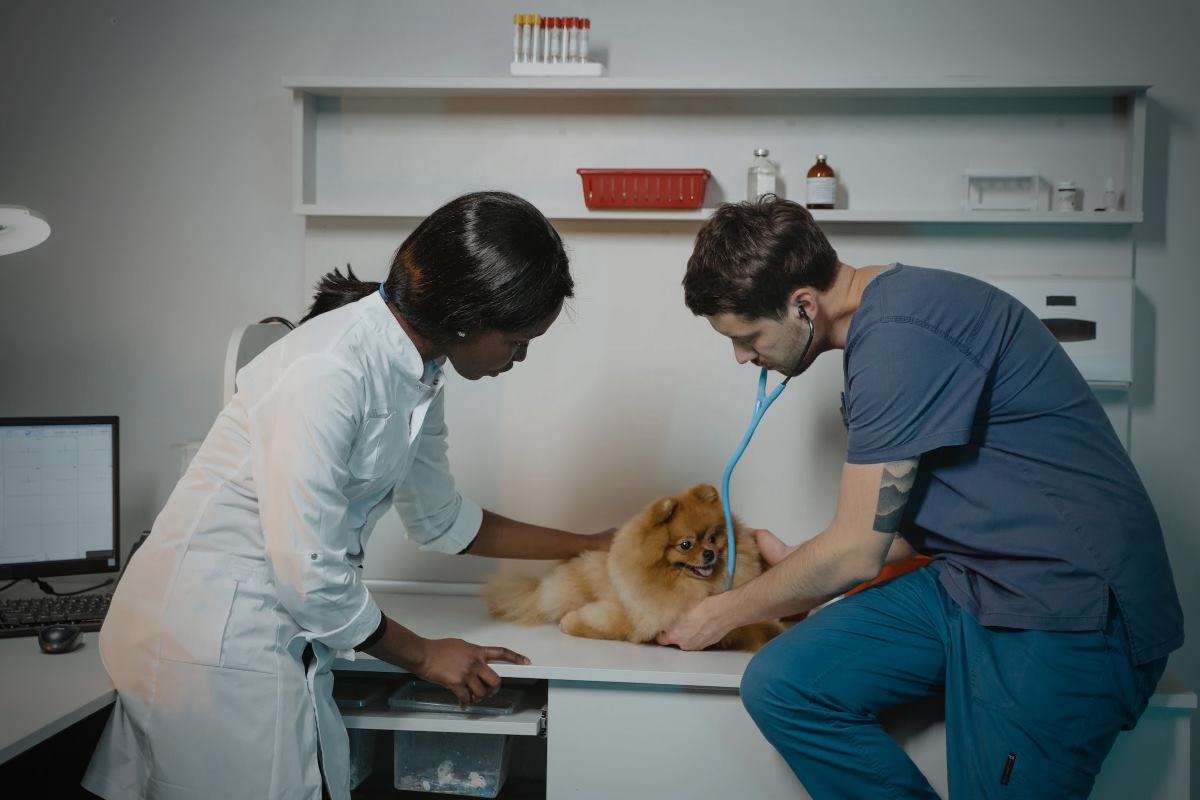
Learning first aid for pets
Learning basic first aid for pets can be a lifesaving measure in an emergency. A simple course can help you stabilise your animal and avoid making the situation worse before the veterinarian arrives.
There are many online and in-person courses that cover the basics of first aid for dogs and cats. These usually include cardiopulmonary resuscitation (CPR), controlling bleeding, treating burns, and managing seizures, among other topics.
Remember that calm behaviour matters in an emergency. A distressed animal can sense its owner’s stress, which may make the situation worse. Take a deep breath, assess the situation, and respond as appropriately as you can.
Emergency veterinary care: key points to remember
Finding an emergency veterinarian can be stressful, but preparation and reliable information make it much easier to respond in your pet’s best interest. Keep in mind the main options available: home visits, 24-hour clinics, and emergency veterinary phone numbers. Online consultations can also be useful when immediate in-person care is not available. Keep your regular veterinarian’s contact details and local emergency numbers close at hand. In addition, learning basic first aid for pets can help you stay calm and act effectively during a crisis.
Your pet’s health is precious. Taking a few simple steps now can help ensure that your companion gets the care needed when an emergency arises. The better prepared you are, the faster and more effectively you can respond.
latest posts published

Dog Supplies: Essential Checklist Before Adoption (2026 Guide)

How to Understand Your Hamster’s Behavior

How to Feed an Unweaned Kitten –

Medium-Haired Cats: Breeds, Temperament, and Prices – Cat Breeds

When and How to Find an Emergency Veterinarian

Chocolate Labrador: This Secret Could Save Its Health

What Should I Do If My Dog Breaks a Leg?
The Modern Challenges Facing Farmers Today –
Healthy Dog: How to Spot the Key Warning Signs