

If your dog is in pain and you are not sure what to do, a broken leg is a situation that needs quick attention. A fracture should always be taken seriously, because the sooner your dog is examined, the better the chances of proper healing and a full recovery. Here is what you should know if your dog fractures a leg.
Recognizing the symptoms of a broken leg in dogs
A leg fracture can be difficult to identify at first because the signs may look similar to a sprain or a dislocation. Still, there are several symptoms that should make you suspicious. The most common sign is limping or an obvious change in the way your dog walks. In some cases, the dog may refuse to put weight on the leg at all.
You may also notice that your dog has trouble getting up or lying down, or that it seems uncomfortable when trying to move. Swelling and redness around the affected area can also appear. Pain is often clear: the dog may whine, pull away, or react strongly when the leg is touched. If any of these signs are present, the safest response is to contact a veterinarian right away.
The veterinarian will examine your dog and may take X-rays to confirm whether the bone is broken and to determine exactly where the fracture is located. Once the diagnosis is made, the treatment plan will depend on the type of fracture, its severity, and the part of the leg involved. Simple fractures may be managed with a bandage or splint, while more serious injuries can require surgery.
After treatment begins, careful monitoring is essential. A dog with a fracture should be watched closely to make sure the condition is improving and that no complications develop. If the pain seems to worsen or your dog does not appear to be recovering as expected, the veterinarian should be contacted immediately.
How a dog leg fracture is treated
A broken leg can be extremely painful for a dog and may cause temporary or, in some cases, permanent disability if not treated correctly. For that reason, it is important to understand both how fractures happen and how they are managed once they occur.
Leg fractures are relatively common in dogs. Because dogs use all four legs for running, jumping, and landing, they can easily injure a limb after an awkward fall or a poorly judged leap. Older dogs may also be more vulnerable to fractures because their bones can become weaker over time, especially when age-related conditions affect mobility and strength.
The symptoms are often easy to spot. A dog may limp, hold the leg up, or avoid movement altogether. It may also show clear signs of pain, such as crying, whining, or resisting being picked up or repositioned. If you suspect a fracture, veterinary care should not be delayed.
Treatment depends on how severe the fracture is. Less complicated breaks are sometimes stabilized with a cast or a splint. More serious fractures may need surgical repair so the bone can be properly aligned and held in place while it heals. Your veterinarian will choose the most appropriate option after examining your dog and reviewing the X-rays.
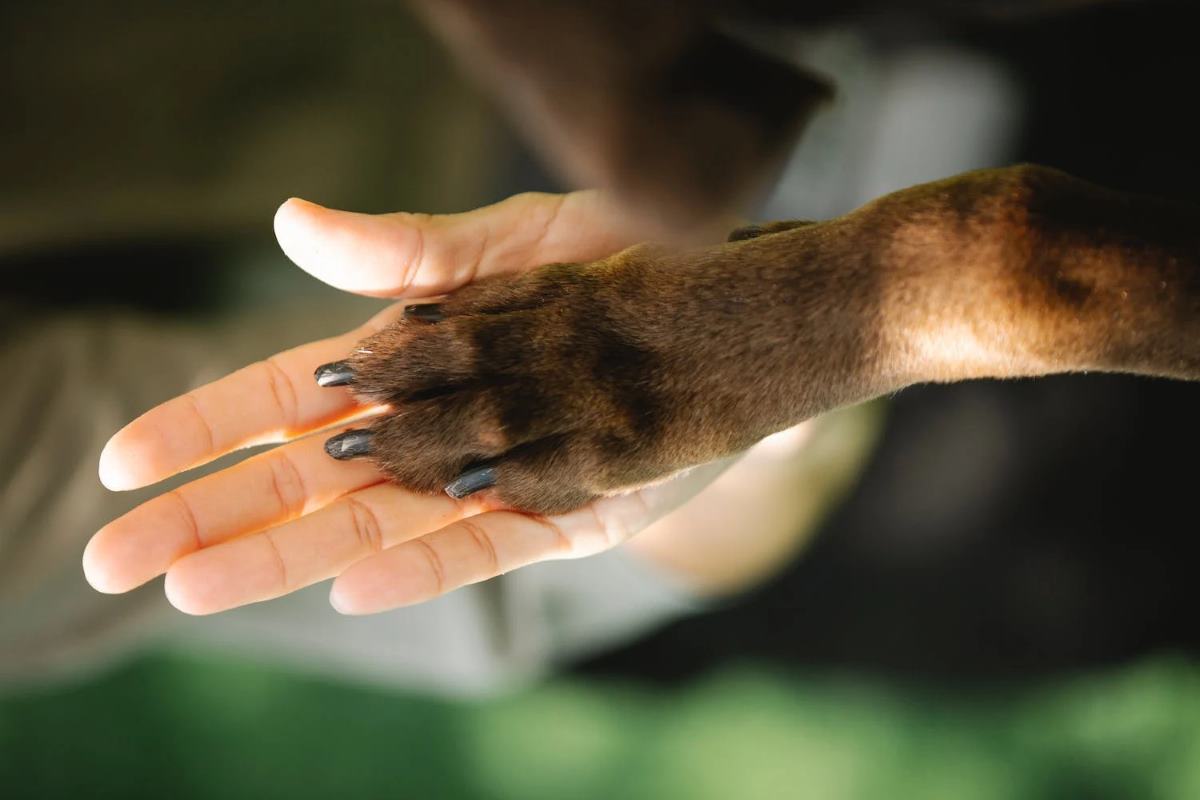
Why prompt treatment matters
When a dog fractures a leg, the risk is not limited to the bone itself. Untreated or poorly managed fractures can lead to serious complications, including long-term pain, reduced mobility, and structural problems that make normal movement difficult later on. In severe cases, delayed treatment can even become life-threatening if the injury is associated with other trauma or infection.
This is why immediate veterinary assessment is so important. A fracture is not something that should be observed and waited out at home. Even if the injury seems mild, only a professional examination can confirm how serious it is and whether the bone has shifted out of place.
Preventing leg fractures in dogs
Not every fracture can be avoided, but there are practical ways to reduce the risk. Prevention starts with paying attention to your dog’s habits, surroundings, and overall physical condition. The following measures can help lower the chances of a leg injury:
- Watch for signs of pain or discomfort. If your dog begins to limp or seems sensitive about a leg, arrange a veterinary visit as soon as possible.
- Pay attention to the surfaces where your dog runs and plays. Uneven, slippery, or unstable ground can increase the risk of falls and fractures.
- Avoid letting your dog jump from high places or make sudden, forceful movements that could strain or injure a leg.
- Take your dog for regular veterinary checkups, especially if it has osteoarthritis or another condition that may weaken the bones or joints.
Dogs that are more likely to suffer a fracture
Some dogs are naturally more exposed to leg injuries than others. Dogs that spend a lot of time outdoors, run actively, or play roughly with other animals have a greater chance of falling or colliding in a way that can lead to a fracture. Large dogs are also at higher risk because more weight is carried through their bones during movement and landing.
Puppies and young dogs can be vulnerable as well, since their bones are still developing and may not yet be fully strong. At the other end of the age spectrum, older dogs can be more fragile, making them more likely to suffer fractures after a relatively minor accident. If your dog falls into one of these categories, it is especially important to monitor its movements and behavior closely.
What to do right away if you suspect a fracture
If you think your dog may have broken a leg, keep it as calm and still as possible while you arrange veterinary care. Do not encourage it to walk around or test the leg. If the dog is moving too much, gentle restraint may help prevent the injury from becoming worse during transport.
Because a fracture can become more painful and more difficult to treat if the bone shifts further, the priority is to get the dog to a veterinarian without delay. Once the injury has been evaluated, your vet will explain the best treatment plan and how to support healing at home.
Final thoughts
It is never pleasant to see a pet in pain, but the most important thing is to react quickly and appropriately. If your dog fractures a leg, the first step is to get veterinary help as soon as possible. Quick action, proper diagnosis, and the right treatment greatly improve the chances of recovery. With careful follow-up and the right care, many dogs can heal well and return to normal activity over time.
latest posts published

Dog Supplies: Essential Checklist Before Adoption (2026 Guide)

How to Understand Your Hamster’s Behavior

How to Feed an Unweaned Kitten –

Medium-Haired Cats: Breeds, Temperament, and Prices – Cat Breeds
When and How to Find an Emergency Veterinarian

Chocolate Labrador: This Secret Could Save Its Health

What Should I Do If My Dog Breaks a Leg?
The Modern Challenges Facing Farmers Today –
Healthy Dog: How to Spot the Key Warning Signs