Dogs are more than pets: they are loyal companions, family members, and daily sources of affection and routine. For that reason, it is important to know what good health looks like in a dog, so you can recognise when everything is fine and notice early when something may be wrong. A healthy dog is usually energetic, alert, and comfortable in its body. By learning the main signs of well-being, you give yourself the best chance of responding quickly if your dog needs care and of supporting a long, happy life.
Good health is not always visible in just one detail. It is the combination of behaviour, appearance, appetite, and elimination habits that gives the clearest picture. If several of these signs change at the same time, it is worth paying close attention and, when necessary, speaking with a veterinarian.
Behaviour and energy
A healthy dog is usually full of life. Its daily behaviour often says a great deal about its overall condition, especially when compared with its usual habits.
Activity and play
A dog in good health generally shows enthusiasm for walks, playtime, and interaction. It may become excited when the leash appears, respond eagerly to toys, and show curiosity about its surroundings. A sudden loss of interest in these things can be a warning sign. Fatigue, pain, fever, or illness may be the cause, and a veterinary consultation is the right next step if the change is noticeable or persistent.
If you already have dog insurance, such as Jim & Joe, the cost of consultations and treatments may be easier to manage. While insurance does not replace careful observation, it can make it simpler to act quickly when your dog needs medical attention.
Appetite
Regular eating is another encouraging sign. A dog that eats normally and maintains its usual appetite is often feeling well, at least in terms of digestion and general comfort. By contrast, a reduced appetite or a complete refusal to eat can be an early sign of illness, stress, dental pain, digestive trouble, or another underlying problem. Because changes in eating habits can appear before other symptoms, it is wise to monitor mealtimes closely.
It is especially important to notice whether the change is sudden. A dog that skips one meal may not necessarily be unwell, but a dog that repeatedly ignores food or eats much less than usual should be examined by a veterinarian.
Social behaviour
A healthy dog is generally sociable and responsive. It tends to interact positively with people and, when properly socialised, with other animals as well. Curiosity, engagement, and an interest in the environment are all signs of balance. A dog that remains alert to sounds, movement, and familiar routines usually feels secure and well.
When that behaviour changes abruptly, it can be meaningful. Isolation, irritability, aggression, or unusual withdrawal may point to discomfort or an underlying medical issue. In some cases, behavioural changes are the first visible clue that something physical is wrong, which is why they should not be dismissed as mere mood swings.
Physical appearance
Looking closely at your dog’s body can help you identify signs of good health as well as small changes that may need attention. Weight, coat condition, eyes, and ears are all useful indicators.
Weight
A healthy dog usually maintains a stable weight that suits its breed, age, and body type. Sudden weight gain or loss should not be ignored. Too much weight can place strain on the joints, heart, and organs, while unexplained weight loss may signal illness, poor digestion, parasites, or another health concern.
Weighing your dog regularly is a simple habit that can help you spot changes early. Even a modest shift over time may matter, especially if it comes with changes in appetite, energy, or stool quality. Weight monitoring is one of the easiest ways to support long-term health and prevent obesity or malnutrition.
Coat
A shiny, smooth coat with little or no dandruff is usually a good sign. Healthy skin and fur often reflect a balanced diet, proper grooming, and an overall state of well-being. On the other hand, excessive shedding, bald patches, flaking skin, or a coat that looks dry and dull may suggest a skin condition, poor nutrition, allergies, or another medical issue.
Because the coat is visible every day, it can provide early clues that something is changing inside the body. Regular brushing is useful not only for keeping the coat tidy, but also for noticing lumps, irritation, parasites, or areas of sensitivity before they become more serious.
Eyes and ears
Your dog’s eyes should be clear, bright, and free from discharge. Cloudiness, redness, swelling, or unusual tearing can all indicate irritation or infection. Likewise, the ears should look clean and should not have a strong or unpleasant smell. Redness, debris, frequent scratching, or head shaking are all signs that deserve attention.
Regular checks are valuable because ear and eye problems can develop gradually. Cleanliness matters, but so does moderation: using appropriate care and avoiding overly aggressive cleaning can help prevent irritation. If you notice anything unusual, a veterinarian can determine whether the issue is minor or needs treatment.
Digestion and elimination
Digestive habits often reveal a great deal about a dog’s health. Stool and urine are not pleasant topics, but they are among the most practical indicators available to owners.
Stool
Normal stool should be well formed and neither too hard nor too loose. Persistent diarrhoea, constipation, or a change in frequency can point to digestive trouble, dietary intolerance, parasites, or another illness. The most useful approach is to know what is normal for your dog and notice when the pattern changes.
Feeding a balanced diet adapted to your dog’s size, age, and needs helps support healthy digestion. Sudden food changes can also upset the stomach, so any transition should be gradual when possible.
Urine
Regular urination and normal urine appearance are reassuring signs. Changes in colour, smell, frequency, or effort can indicate dehydration, infection, or urinary difficulties. If your dog seems to strain, urinates more often than usual, or appears uncomfortable while urinating, a veterinary visit is advisable.
Fresh water should always be available. Good hydration supports kidney function, digestion, and overall comfort, and it is one of the simplest ways to help maintain health day by day.
Staying alert to small changes
Knowing what a healthy dog looks and acts like makes it easier to notice when something is off. Small differences in energy, appetite, posture, coat condition, or toilet habits can matter more than they first appear. Not every change is serious, but it is always better to observe closely than to wait until a problem becomes more advanced.
Regular veterinary check-ups remain essential, even when a dog seems perfectly well. Preventive visits make it possible to detect issues early, review vaccination and general health needs, and ask questions before small concerns become bigger ones. For many owners, dog insurance can also offer extra peace of mind by helping with the financial side of care.
By staying attentive and responding early, you can help your dog enjoy a healthier, more comfortable life. Just as importantly, this care strengthens the trust and companionship that make life with a dog so rewarding.
latest posts published
Dog Supplies: Essential Checklist Before Adoption (2026 Guide)
How to Understand Your Hamster’s Behavior

How to Feed an Unweaned Kitten –

Medium-Haired Cats: Breeds, Temperament, and Prices – Cat Breeds
When and How to Find an Emergency Veterinarian
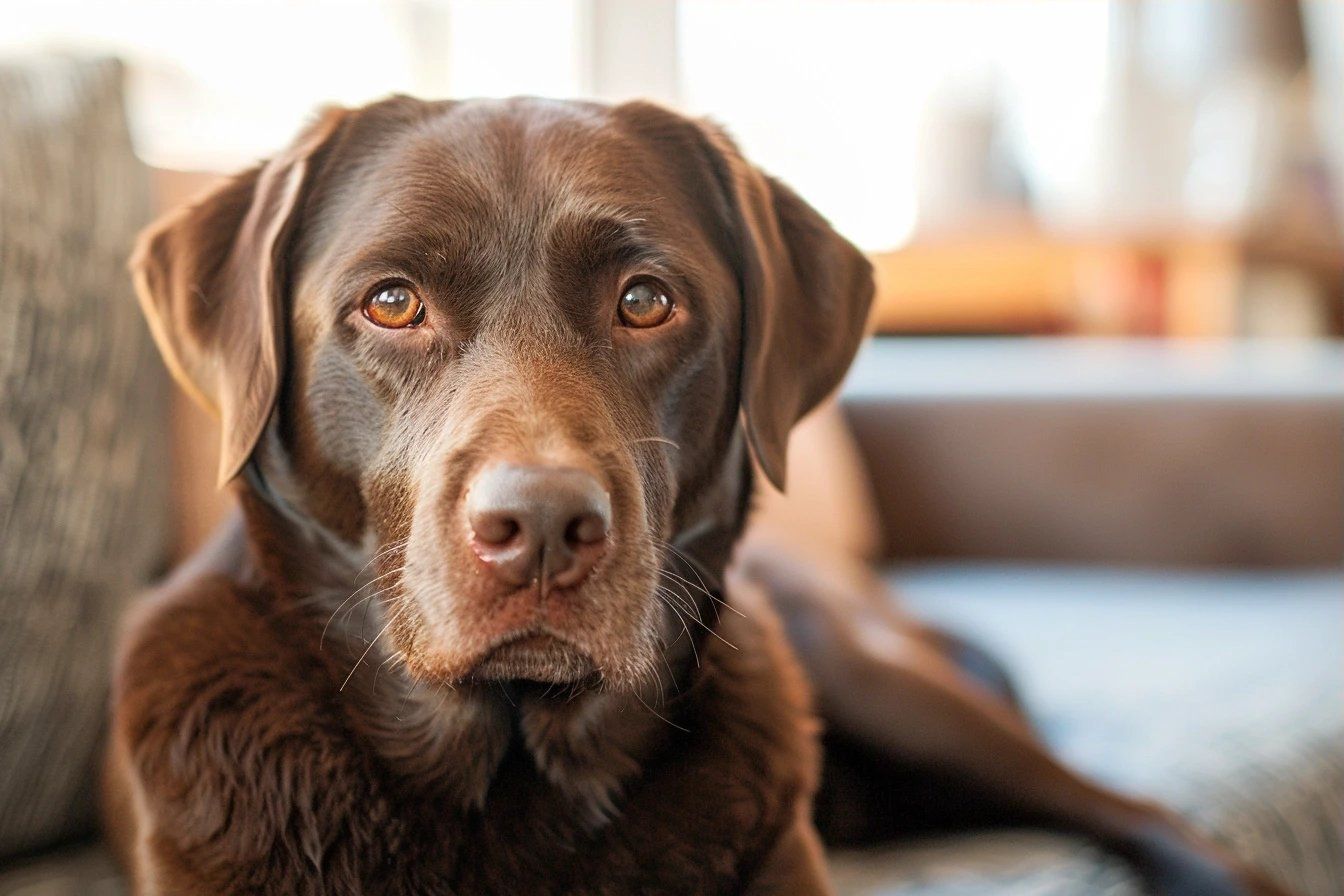
Chocolate Labrador: This Secret Could Save Its Health
What Should I Do If My Dog Breaks a Leg?
The Modern Challenges Facing Farmers Today –
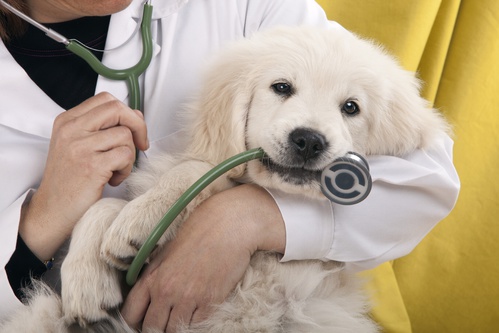
Healthy Dog: How to Spot the Key Warning Signs