
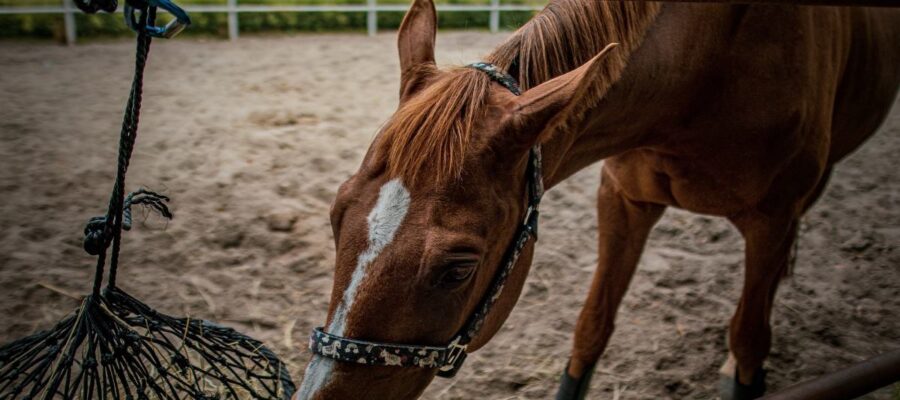
In the world of equine nutrition, there is no single feeding plan that suits every horse. Some owners rely almost entirely on hay and pasture, while others choose to add pellets to create a more balanced ration. So why give pellets to a horse? What benefits can they offer, and what should owners keep in mind before introducing them? This article takes a practical look at the role of pellets in a horse’s diet, with a focus on quality, digestibility, and overall feeding management.
Choosing pellets: a matter of quality and quantity
Pellets are a concentrated feed that many horse owners include in their animals’ daily ration. They are designed to deliver a consistent amount of nutrients in every kilogram, which makes them easier to measure and manage than forage alone. This can be especially useful when a horse needs a carefully controlled intake of protein, vitamins, minerals, or energy.
One of the main advantages of pellets is precision. Unlike hay or grass, whose nutritional value can vary significantly depending on harvest conditions, storage, and season, pellets are formulated to provide a more predictable composition. That makes them a practical tool for owners who want to know exactly what their horse is receiving each day.
Pellets are also simple to store and handle. They usually take up less space than bulky forage, and they are convenient to distribute during feeding time. Another advantage is that they typically produce less dust than some other feeds, which may be helpful for horses with respiratory sensitivity.
How pellets can support better health
A horse’s digestive system is delicate and highly dependent on the right balance of fibre and nutrients. When feeding is not adapted to the animal’s needs, digestive disorders can appear. Gastric ulcers, for example, are a common concern in horses that do not receive enough fibre or that are fed in a way that disrupts normal digestive function.
High-quality pellets can help support digestive health when they are used appropriately. Many are made from cereals and fibre-rich raw materials, which can contribute to a more structured ration and help meet the horse’s nutritional requirements. In that sense, pellets can be a useful supplement for horses with increased needs, such as working horses, growing horses, or animals that struggle to maintain condition.
That said, pellets should not replace hay or grass entirely. Forage remains essential because it encourages chewing and saliva production, both of which play an important role in maintaining digestive comfort and helping protect against gastric issues. A horse’s diet should still be built primarily around fibre, with pellets used to complement rather than replace that foundation.
Are quality pellets worth the cost?
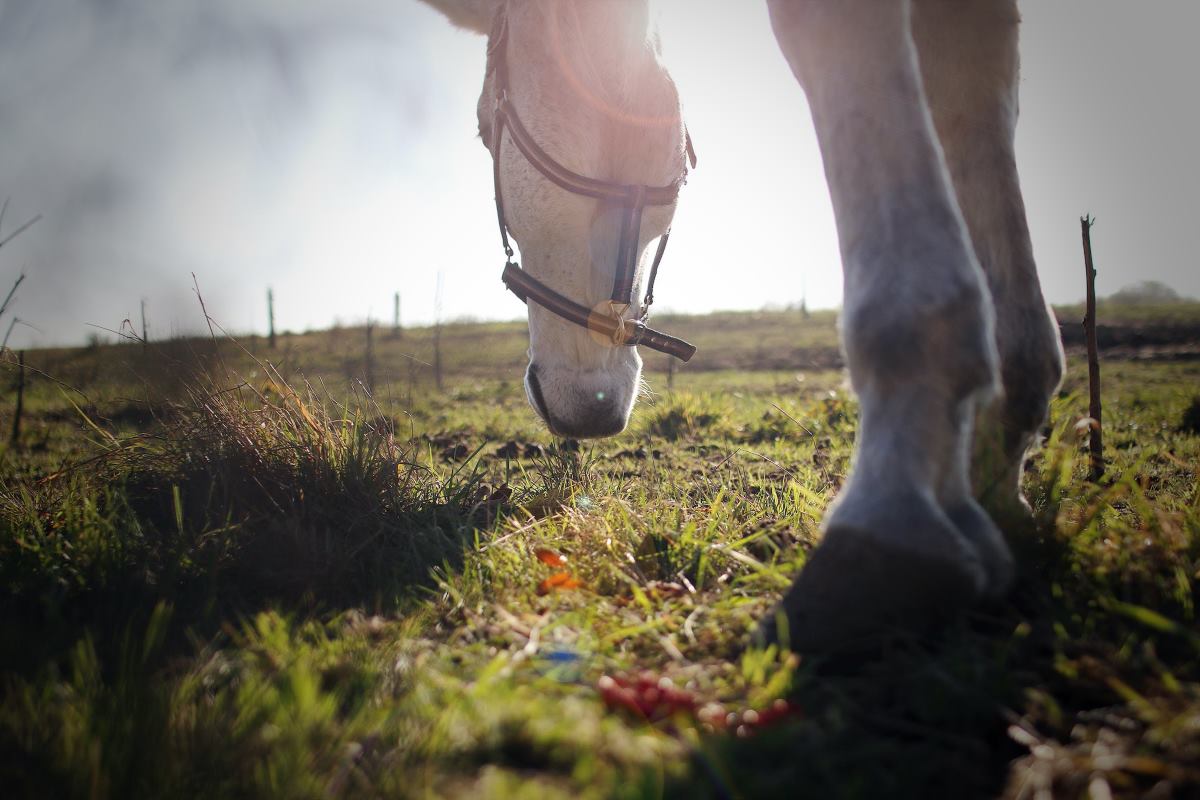
Some owners hesitate when they see the price of premium pellets. It is true that concentrated feeds can cost more than basic forage on a per-kilogram basis. However, the price should always be considered in relation to what the feed provides: consistency, convenience, and targeted nutrition.
For many owners, pellets are a worthwhile investment in the horse’s long-term well-being. They can make it easier to maintain a stable feeding routine and to adjust the ration when a horse’s needs change. Because the nutrient content is known and controlled, it is often possible to feed a smaller quantity of pellets than would be required with less concentrated feeds to achieve a similar nutritional effect.
There is also a practical benefit that should not be overlooked. Pellets are generally easy to portion out, transport, and store. This can save time and simplify day-to-day care, especially in stables where feeding multiple horses requires efficiency and consistency.
In many situations, the real value of pellets lies not only in their nutritional profile but also in the control they give owners over the ration. That level of precision can be especially important when managing horses with special dietary requirements or when trying to maintain a specific body condition.
What pellets can and cannot do
Pellets are useful, but they are not a complete answer on their own. Their role is to complement the base diet, not to replace the natural staples of equine feeding. Hay and grass continue to be the most important components of a horse’s daily intake because they support normal chewing behaviour, gut function, and overall digestive health.
It is also important to choose pellets carefully. Not all products are formulated in the same way, and quality can vary widely. A good pellet should fit the horse’s age, workload, condition, and health status. A feed that works well for one horse may be unsuitable for another, especially if the horse has metabolic sensitivities, dental issues, or a tendency to gain weight too easily.
For this reason, any change in diet should be made gradually. Horses are sensitive to abrupt nutritional changes, and a sudden shift in feed can upset digestion. Introducing pellets slowly gives the digestive system time to adapt and helps owners observe how the horse responds.
When pellets make the most sense
Pellets are often most useful when a horse needs more than forage alone can provide. This may be the case for horses with higher energy demands, older horses that struggle to chew long-stem forage efficiently, or animals that need a more structured ration to maintain weight and condition. They can also be helpful in settings where precise feeding is necessary and consistency matters from day to day.
They are less about replacing traditional feeding and more about refining it. When used thoughtfully, pellets can fill nutritional gaps, support digestive management, and make the overall ration easier to balance. The key is to look at them as one part of a broader feeding strategy rather than as a standalone solution.
Why give pellets to a horse?
In the end, the decision depends on the horse’s individual needs, the owner’s goals, and the practical realities of daily care. Pellets can be an effective way to improve ration control, add targeted nutrients, and support horses with specific dietary needs. They can also make feeding more efficient and easier to manage.
At the same time, hay and grass should remain the basis of the horse’s diet. Pellets are a supplement, not a replacement. Before making major changes to a horse’s feeding plan, it is always wise to seek advice from a veterinarian or an equine nutritionist, especially if the horse has health issues or a sensitive digestive system.
Used correctly, pellets can be a valuable addition to equine feeding. They offer structure, precision, and convenience, while helping owners support their horse’s health in a more controlled way.
latest posts published

Pregnant Dog: How to Prepare for the Arrival of the Puppies?

Death and Inheritance Rights: Who Inherits Your Pet? What You Need to Know

Senior Dog Kibble: At What Age Should You Switch?

Which Dog Breeds Don’t Shed Hair?

Bringing Your Dog or Cat to the Casino: Is It Really Possible?

What Are the Most Beautiful Cat Breeds?

Why Does My Dog Close Its Eyes When I Pet Its Head?
How to Clean Your Cat’s Ears Without Stress

Sterilizing My Cat: The Real Pros and Cons