
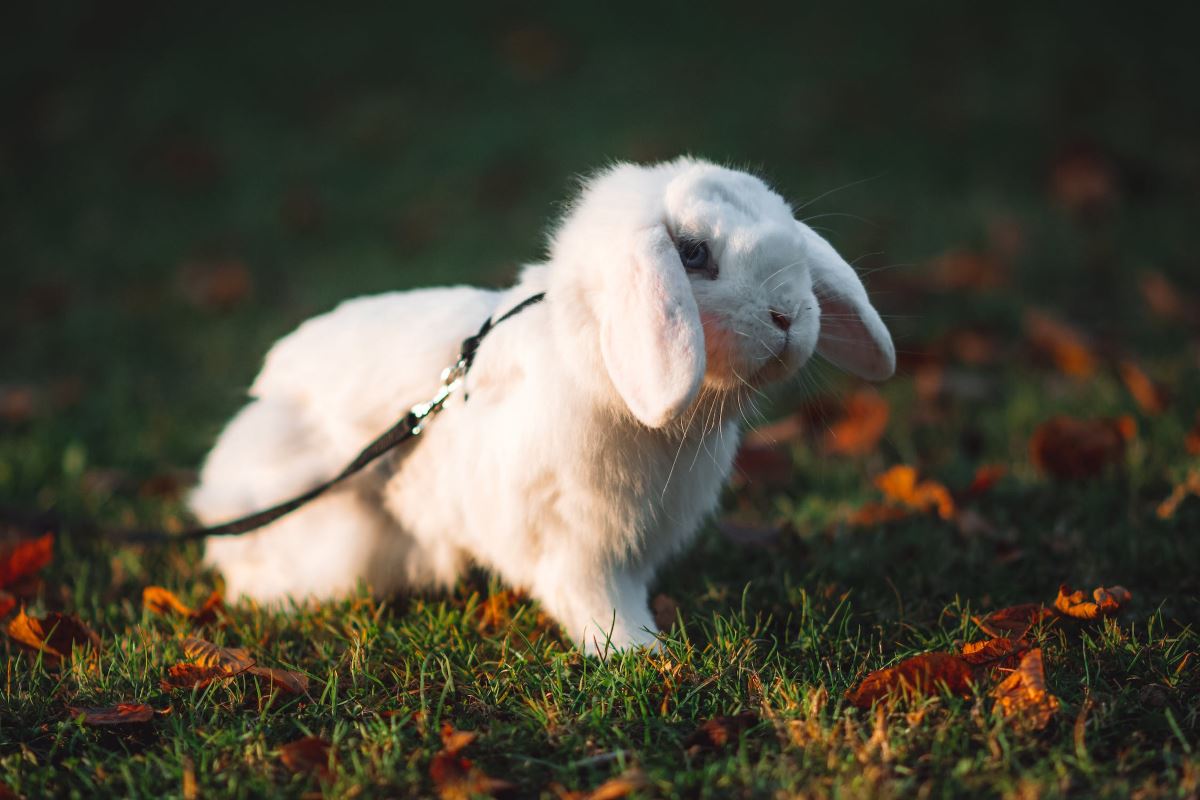
If you live with a rabbit, you may have noticed a charming and slightly puzzling habit: your furry companion seems determined to lick everything in sight, including you. This behavior can look unusual at first, but in rabbits it is often completely normal. Licking can serve several purposes, from communication and comfort to curiosity and environmental exploration. Understanding why your rabbit does it can help you better interpret its behavior and respond in a way that supports its well-being.
Bodily and nutritional needs
One possible reason rabbits lick objects is that they are trying to satisfy a nutritional need or explore something that may smell interesting to them. In the wild, rabbits rely on their natural environment for moisture and nutrients, and they interact closely with grasses, plants, and damp vegetation. Domestic rabbits do not live in the same conditions, so they may lick surfaces, plants, or objects as part of their instinctive relationship with food and hydration.
In some cases, licking may also reflect an attempt to seek out minerals or other elements that the rabbit associates with food. If a rabbit repeatedly licks furniture, floors, or household items, it may simply be reacting to traces of salt, food residue, or other scents that attract its attention. This does not necessarily mean something is missing from its diet, but it does show how strongly rabbits rely on smell and taste to understand their surroundings.
Exploration and comfort
Rabbits are naturally curious animals. They use their senses constantly to investigate the world around them, and licking is one of the ways they do that. A new object, an unfamiliar surface, or even a change in a familiar room may encourage a rabbit to lick as part of its attempt to make sense of the environment.
Licking can also be a self-soothing behavior. Many rabbits find comfort in interacting with familiar items such as blankets, toys, or soft household textures. When a rabbit feels safe, it may return to these objects repeatedly, using them as a source of reassurance. In that sense, licking is not just about investigation; it can also be a calming habit that helps reduce tension or stress.
Bonding with you
If your rabbit licks you, that is usually a positive sign. In many cases, it means your rabbit feels secure around you and is expressing affection in its own way. Rabbits do not all show attachment in the same manner, but licking is often one of the clearest signs that a rabbit trusts a person and considers them part of its social circle.
Licking can also play a role in social recognition. Rabbits are highly social animals, and scent matters a great deal to them. By licking you, your rabbit may be mixing its own scent with yours or reinforcing the idea that you belong in its familiar group. This is one reason why a rabbit may lick a person more often after spending time together quietly or after being gently handled in a calm setting.
Is it dangerous for my rabbit?
In most cases, licking itself is not dangerous. It is a normal rabbit behavior and often just part of how your pet interacts with people and objects. That said, the concern is not the licking itself but what your rabbit might be licking. Many common household items are not safe for rabbits, especially if they contain chemicals, cleaning residues, or other toxic substances that could upset their digestive system.
Because rabbits are naturally inquisitive, they may lick surfaces that seem harmless at first glance. This makes it important to keep cleaning products, pesticides, and anything potentially harmful well out of reach. Even surfaces that seem clean may carry residues that are not appropriate for a rabbit to ingest. A safe environment is essential, especially for a pet that explores so much with its mouth and tongue.
If your rabbit suddenly starts licking obsessively, or if the behavior seems to come with other changes such as reduced appetite, unusual droppings, lethargy, or signs of discomfort, it is worth paying closer attention. A shift in licking behavior can sometimes reflect stress or an underlying physical issue, so any major change should be taken seriously.
How to reduce unwanted licking
If you want to discourage your rabbit from licking furniture, carpets, or other unsuitable objects, the best approach is not punishment but redirection. Rabbits learn more effectively when they are guided toward appropriate alternatives. Offer safe chewing materials such as hay, rabbit-safe sticks, and other suitable enrichment items that allow your pet to satisfy its need to explore and mouth objects without risk.
It also helps to keep the rabbit’s environment tidy and consistent. A clutter-free space makes it easier to notice what your rabbit is interested in and to remove access to items that should not be licked. When you catch your rabbit focusing on something inappropriate, calmly interrupt the behavior and provide a better option right away. Over time, repeated redirection helps the rabbit understand which objects are acceptable and which are off-limits.
Interactive play, foraging opportunities, and regular enrichment can also reduce repetitive licking. A rabbit that has enough mental stimulation is often less likely to fixate on household surfaces. The goal is not to stop natural curiosity, but to channel it into safe and useful habits.
When to seek veterinary advice
Although licking is usually normal, excessive or obsessive licking deserves attention. If the behavior becomes intense, repetitive, or noticeably different from your rabbit’s usual habits, it may be a sign that something emotional or physical is going on. In that case, a veterinary checkup can help rule out pain, stress, or another underlying issue.
Most of the time, though, a rabbit that licks objects, toys, or even its owner is simply behaving like a rabbit. It is exploring, communicating, and interacting with the world in a perfectly natural way. And when that licking is directed at you, it usually means something very simple and very special: your rabbit feels safe with you.
latest posts published

Death and Inheritance Rights: Who Inherits Your Pet? What You Need to Know
Senior Dog Kibble: At What Age Should You Switch?

Which Dog Breeds Don’t Shed Hair?

Bringing Your Dog or Cat to the Casino: Is It Really Possible?

What Are the Most Beautiful Cat Breeds?

Why Does My Dog Close Its Eyes When I Pet Its Head?
How to Clean Your Cat’s Ears Without Stress

Sterilizing My Cat: The Real Pros and Cons

Is a Croissant Safe for Your Dog?