If your dog has diarrhea, it is natural to wonder what is causing it. There are many possible explanations, ranging from a simple dietary change to infection, parasites, or a more serious illness. When diarrhea appears suddenly, the most important thing is to watch your dog closely and contact a veterinarian if the problem does not improve quickly.
Possible causes of diarrhea in dogs
Diarrhea is a very common symptom in dogs, and it can have many different causes. In some cases, it is linked to food poisoning, a sudden change in diet, or something the dog ate that did not agree with its digestive system. It can also be caused by intestinal parasites, viruses, or bacteria.
More persistent digestive disorders may also be responsible. These include inflammatory bowel disease, intestinal malabsorption, and liver disease. In some cases, an intestinal tumor may be involved. Certain medications, especially antibiotics, can also upset the digestive system and trigger diarrhea.
Acute diarrhea should be taken seriously because dogs can become dehydrated very quickly, especially if they are losing a lot of fluid. Chronic diarrhea is often harder to manage and may require more advanced care, including hospitalization in some cases. When diarrhea lasts or keeps coming back, a veterinarian should evaluate the dog to identify the underlying cause.
Symptoms that may accompany diarrhea
Loose or watery stools are the most obvious sign of diarrhea, but the condition can appear in different forms depending on the dog and the cause. Some dogs have frequent bowel movements, while others pass stools less often but with a noticeably abnormal consistency. The stools may also contain mucus, blood, or pus.
In addition to changes in stool, other symptoms may appear. A dog with diarrhea may vomit, develop a fever, seem tired, lose its appetite, or lose weight. These signs help show whether the digestive issue is mild or part of a broader health problem.
Diarrhea can be acute or chronic, and it may be infectious or non-infectious. Infectious diarrhea is most often linked to viruses, bacteria, or parasites. Non-infectious diarrhea can result from stress, dietary changes, food allergies, food intolerances, digestive diseases, or metabolic disorders.
Diarrhea can become dangerous, particularly in puppies, older dogs, and dogs that already have health issues. Fluid loss can lead to dehydration, mineral imbalance, metabolic acidosis, kidney failure, and, in severe cases, death. For that reason, close monitoring is essential whenever a dog develops diarrhea.
How to help prevent diarrhea in dogs
Good hygiene is one of the best ways to reduce the risk of diarrhea. That means cleaning the areas where your dog urinates and defecates, and making sure fresh, clean water is always available. Regular veterinary checkups and vaccinations are also important, especially for dogs that live in apartments or urban environments where exposure to harmful germs may be higher.
A balanced diet is equally important. Commercial dog food is formulated to provide the nutrients dogs need, but the food should still match the dog’s age, activity level, and specific needs. If you plan to change your dog’s food, do it gradually so the digestive system has time to adapt.
It also helps to be cautious when your dog is around other animals or walks in public places. Dogs can pick up bacteria and viruses easily, so limiting unnecessary exposure and keeping a close eye on what your dog eats outdoors can lower the risk of intestinal illness.
Treatment options for diarrhea in dogs
Because diarrhea can come from so many different causes, treatment depends on the source of the problem. A dog may develop diarrhea because of illness, food intolerance, an abrupt diet change, or stress. It may also be accompanied by vomiting, fever, poor appetite, and tiredness. When these signs appear, the dog should be monitored carefully and treated promptly.
The first priority is hydration. Make sure your dog has constant access to water and is drinking regularly. A bland, easy-to-digest diet may also help the digestive system recover. Avoid fatty or heavily seasoned foods, which can make the situation worse. Some owners also use diluted apple juice in small amounts, but if symptoms continue, veterinary advice is still necessary.
Natural measures can sometimes support recovery, but they do not replace proper diagnosis. If diarrhea does not improve quickly, or if the dog seems unwell in any other way, veterinary care is the safest choice.
When to see a veterinarian
Diarrhea does not always mean something serious, but it can sometimes signal a more important health issue. It may be caused by poor diet, food intolerance, intestinal parasites, infectious disease, or a chronic condition. In many cases, it clears up quickly on its own, but it should not be ignored if warning signs appear.
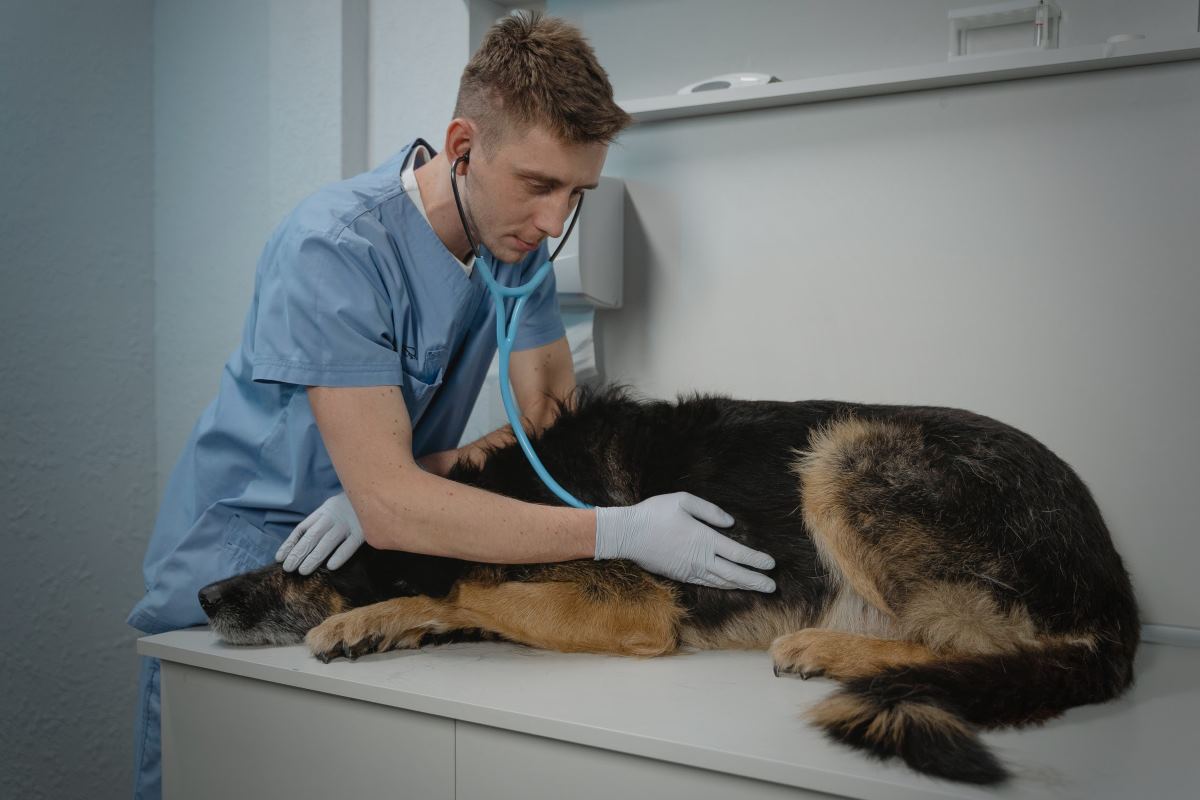
You should contact a veterinarian as soon as possible if diarrhea is accompanied by vomiting, fever, loss of appetite, lethargy, or blood in the stools. The same applies if the diarrhea lasts longer than two days or if your dog shows signs of dehydration, such as reduced urination, excessive thirst, or unusual fatigue.
While waiting for veterinary advice, keep your dog hydrated and offer food that is gentle on the stomach. White rice and white meat are often easier to digest than richer foods. Even so, if the diarrhea continues for more than two days, or if your dog becomes weak or dehydrated, a veterinary examination is necessary.
How to reduce the risk of diarrhea
There is no single way to prevent every case of diarrhea, but a few practical habits can reduce the risk. Keeping your dog well hydrated and feeding a balanced diet are two of the most important steps. Dogs also benefit from meals that include quality protein sources such as fish, meat, or chicken, since these foods provide nutrients that support overall digestive health.
Some owners add probiotics or fermented dairy products such as yogurt or cottage cheese to meals. These may help support intestinal balance in some dogs, while also providing calcium. Regular cleaning and grooming are useful too, because they help reduce the chance of parasites affecting the digestive tract.
Above all, pay attention to changes in your dog’s behavior, appetite, and stool quality. A dog that develops frequent digestive upset may be reacting to a diet, an infection, or a deeper medical problem that needs professional care.
Diarrhea in dogs has many possible causes and can be difficult to diagnose without veterinary help. If your dog has diarrhea often, consult your veterinarian to identify the cause and find the most appropriate treatment.
latest posts published
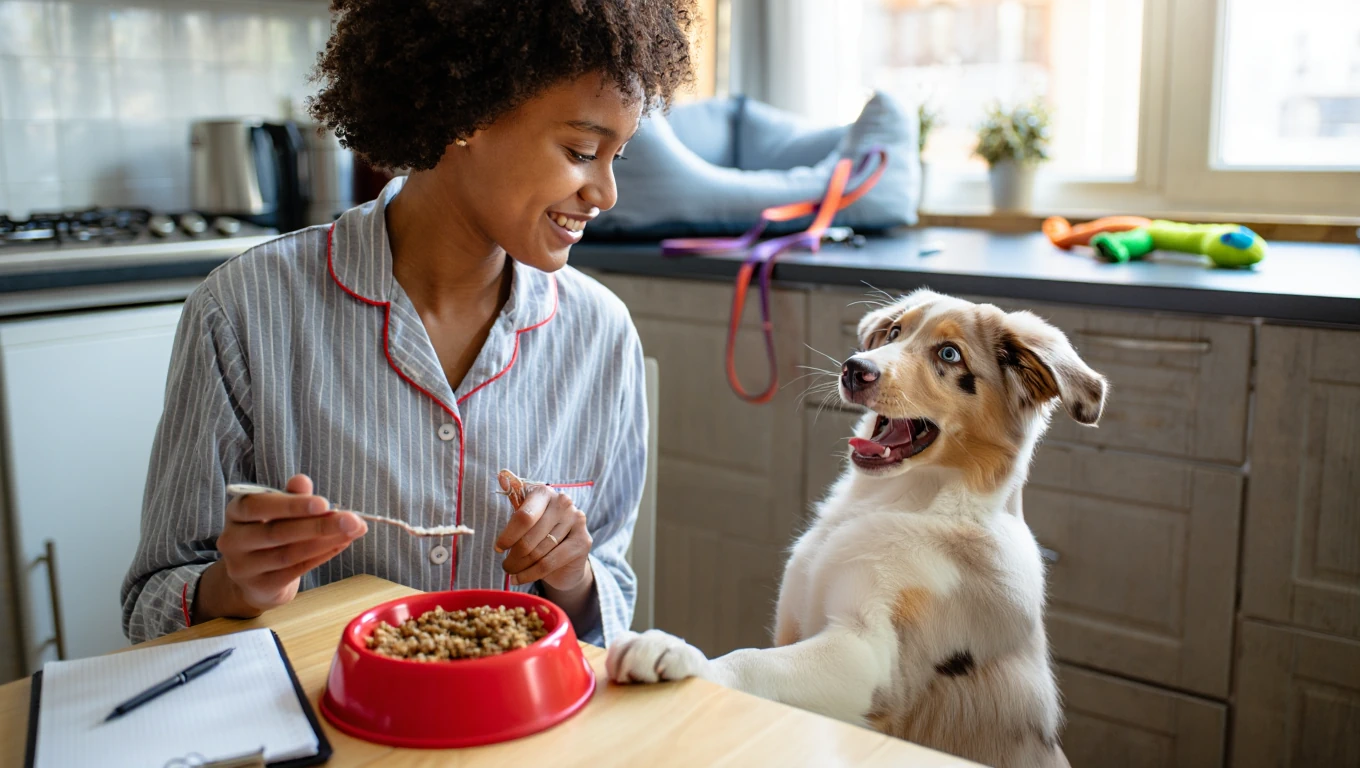
Dog Supplies: Essential Checklist Before Adoption (2026 Guide)
How to Understand Your Hamster’s Behavior

How to Feed an Unweaned Kitten –
Medium-Haired Cats: Breeds, Temperament, and Prices – Cat Breeds
When and How to Find an Emergency Veterinarian
Chocolate Labrador: This Secret Could Save Its Health
What Should I Do If My Dog Breaks a Leg?
The Modern Challenges Facing Farmers Today –
Healthy Dog: How to Spot the Key Warning Signs