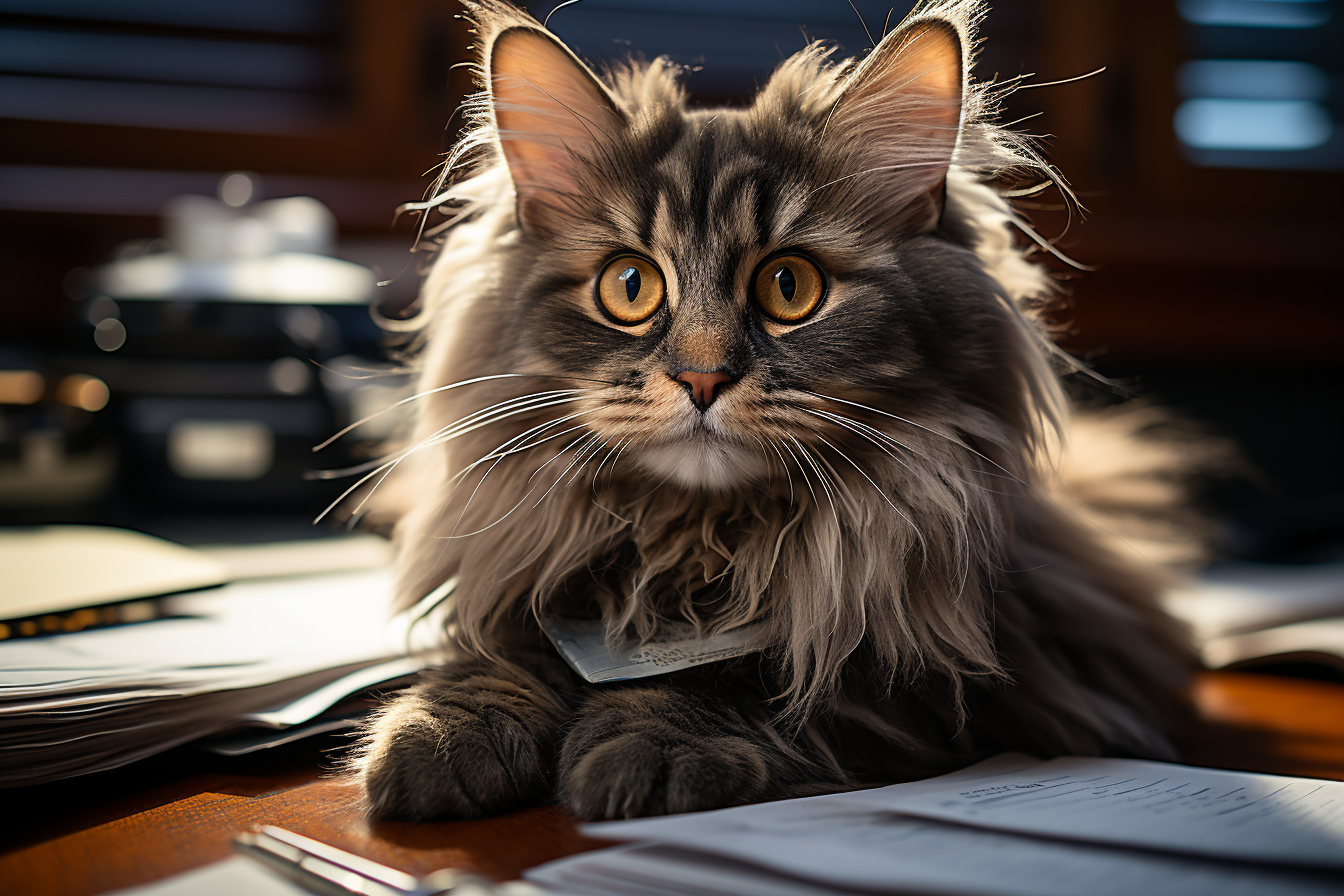

If your cat is breathing badly, it may be a sign of respiratory distress syndrome. This condition involves damage to the animal’s respiratory organs and can quickly become life-threatening if breathing stops altogether. In that situation, immediate action matters. So what should you do when your cat is having trouble breathing?
First-aid steps
A cat that is struggling to breathe is always a serious matter, but panic will only make things worse. Stay as calm as possible, because stress can increase the animal’s distress. Laboured breathing may sometimes be linked to poisoning, including a reaction after eating its cat kibble. If that seems possible, move the cat away from the food immediately and open the windows to let fresh air circulate.
Do not keep handling or holding the cat if breathing is difficult. Pressing against the body can compress the lungs and make the symptoms more severe. The goal is to keep the animal as still and comfortable as possible while checking whether the airways are blocked.
In some cases, poor breathing may be caused by a temporary cough. That may not be alarming at first, but if the problem does not improve, the cat may be in a critical condition. In that case, call emergency services or contact the nearest veterinarian right away.
Contact a veterinarian
In these circumstances, it is always best to consult a veterinary professional. A veterinarian will know what steps to take to deal with the situation safely and effectively. Because it is urgent, you can call first to describe what is happening. In that case, a few precautions are important.
Describe the situation clearly on the phone
When you speak to the veterinarian, you will be asked to explain the symptoms so a preliminary assessment can be made. The vet will likely ask whether the signs appeared suddenly or gradually. Try to stay calm and provide a precise description of what you are seeing. Mention any signs that show your cat is struggling to breathe. For example, the animal may be breathing through its mouth or making noise when inhaling or exhaling. Every noticeable symptom should be reported.
You should also mention any unusual event that happened just before the breathing problems began. This may include:
- An accident,
- A fight with another cat,
- Sudden weakness,
- Indigestion,
- A fall.
After hearing your description, the veterinarian will explain what to do to reduce the animal’s discomfort. If the symptoms sound alarming, you will be asked to bring the cat to the clinic immediately.
Take your cat to the veterinarian as quickly as possible
During transport, make sure the cat’s airway stays clear. Pick it up carefully so you do not add stress. Avoid placing a blanket over the nose or in front of the mouth, since that can make breathing even harder. Do not confine the animal in a carrier in a way that limits ventilation during the trip.
What happens at the veterinary clinic?
Once you arrive at the clinic, stay calm and follow the veterinarian’s instructions. The vet may ask the same questions again, because repeating the details helps confirm the most important facts and fill in anything that may have been missed during the phone call. Your cat may then be directed to the waiting area while a full examination is carried out.
If the animal is in a very serious condition, oxygen support may be given to help maintain vital functions and make treatment possible. Using sterile equipment, including a syringe and needle, the veterinarian may administer anti-inflammatory medication. Pain relief or intravenous fluids may also be provided if needed. These measures help stabilise the animal and support recovery.
Once the breathing crisis is under control, the next step is to identify the cause. You should remain available and attentive in case the veterinarian needs additional information. A series of tests may then be carried out, including chest X-rays, ultrasound scans, blood tests, and other examinations.
Keep in mind that treatment at the clinic may last several days. It is wise to prepare for that possibility. If you plan to stay with your cat during the stay, bring anything you may need. After the tests and treatment, the animal will remain under close medical monitoring. The veterinarian will check heart rate, breathing rate, body temperature, and other indicators to assess recovery and reduce the risk of relapse.
What should you do after your cat’s veterinary visit?
When the veterinarian considers your cat stable enough after close monitoring, it can return home. At that point, it is important to follow the veterinarian’s instructions carefully so you can support your cat’s quality of life. To help it regain a healthy body condition, provide appropriate cat food and make sure its environment is free from pollen or anything else that could cause poisoning or irritation. These simple steps can support weight gain and contribute to your cat’s overall well-being.
latest posts published

Dog Supplies: Essential Checklist Before Adoption (2026 Guide)

How to Understand Your Hamster’s Behavior

How to Feed an Unweaned Kitten –
Medium-Haired Cats: Breeds, Temperament, and Prices – Cat Breeds
When and How to Find an Emergency Veterinarian

Chocolate Labrador: This Secret Could Save Its Health

What Should I Do If My Dog Breaks a Leg?
The Modern Challenges Facing Farmers Today –
Healthy Dog: How to Spot the Key Warning Signs