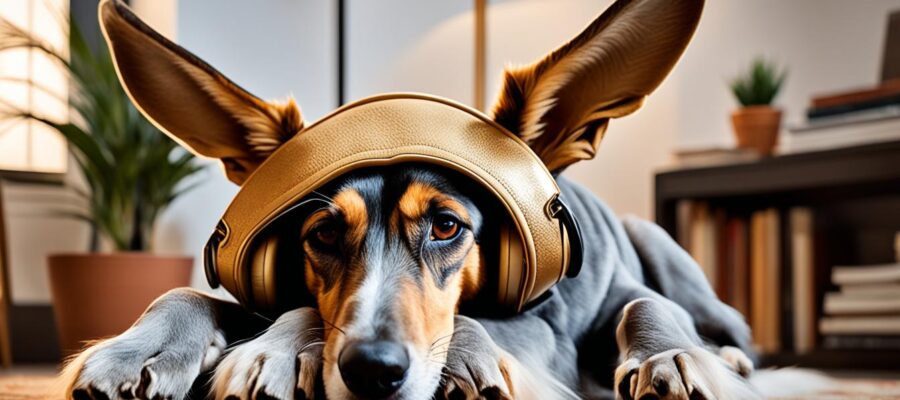
Dogs with large ears have a distinctive charm that often makes them look like living plush toys. Their long, expressive ears give them a memorable silhouette, but they also come with specific care needs. If you are thinking about welcoming a drop-eared dog into your home, it helps to understand the most popular breeds, their temperaments, and the practical care that keeps them healthy and comfortable.
Key Points to Keep in Mind
- Large ears are one of the most recognisable traits in several well-known breeds.
- Many of these dogs were originally bred for hunting, tracking, or scent work.
- Folded or hanging ears need regular cleaning and close attention to moisture.
- Coat care, exercise, and a balanced routine are just as important as ear care.
- Choosing the right breeder or source matters for the dog’s long-term health.
The Most Fascinating Dog Breeds With Large Ears
Some breeds are especially admired for their elegant, long, or floppy ears. Beyond their appearance, each breed has its own personality and set of needs, which is worth considering before making a choice.
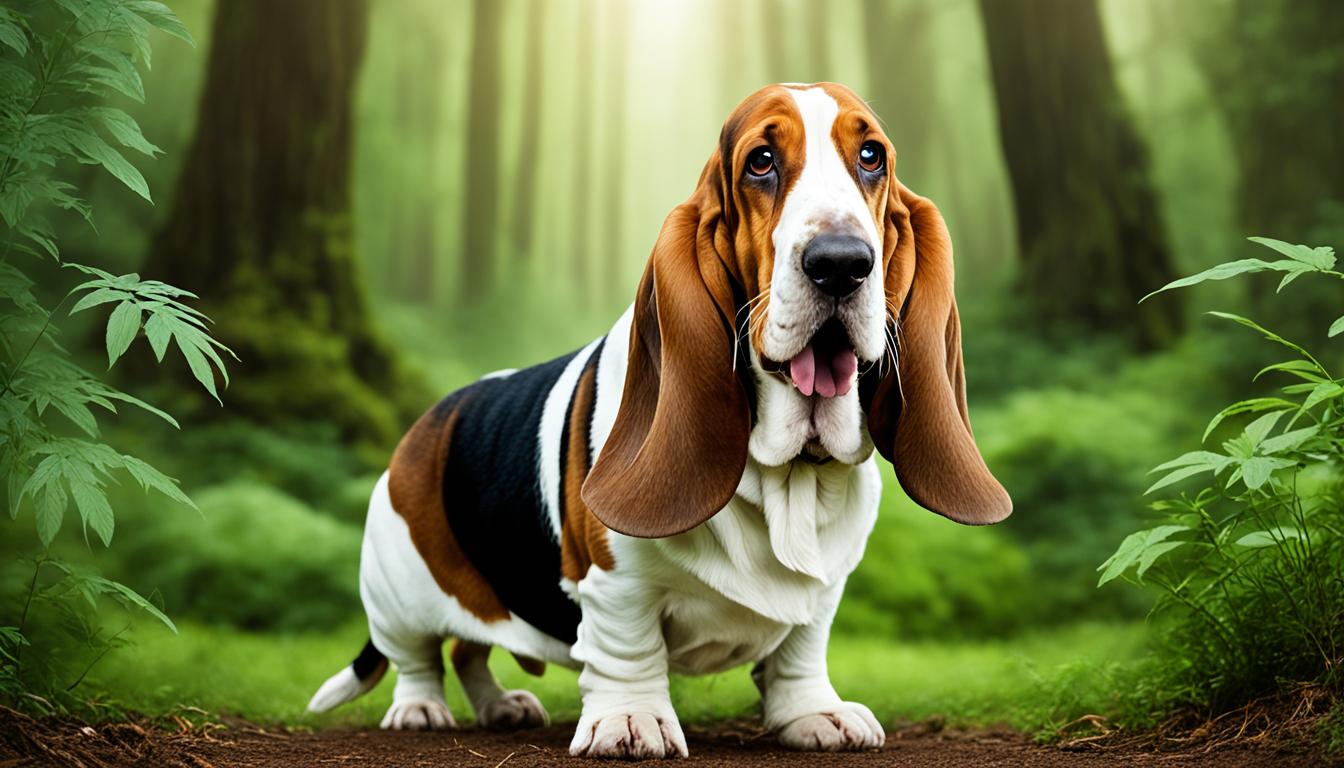
- Basset Hound: Known for its long, low-set ears and calm nature, the Basset Hound is affectionate, easygoing, and often a good family companion.
- Bloodhound (Chien de Saint-Hubert): Famous for its extraordinary sense of smell, the Bloodhound also has very long, pendulous ears that contribute to its classic look.
- English Cocker Spaniel (Cocker Anglais): With soft, long ears and a lively temperament, the English Cocker Spaniel is intelligent, energetic, and closely associated with hunting work.
- Dachshund (Teckel): This long-bodied dog has floppy ears and a bold, determined personality. Small in size but big in spirit, the Dachshund is also known for its agility.
- Beagle: Friendly, curious, and very scent-driven, the Beagle is a versatile hunting dog with charming drooping ears and a sociable character.
- Great Dane (Dogue Allemand): Despite its imposing size, the Great Dane often appears gentle and calm. Its soft, hanging ears add to its elegant presence.
- Cavalier King Charles Spaniel: This breed is admired for its long, silky ears and noble expression. The Cavalier King Charles Spaniel is generally cheerful, affectionate, and people-oriented.
- Gordon Setter: The Gordon Setter stands out for its feathered ears and refined appearance. It combines elegance with stamina and sporting ability.
- Poodle (Caniche): The Poodle is often associated with intelligence and versatility, and its pendulous ears help soften its distinctive appearance.
- English Springer Spaniel (Springer Anglais): Active and devoted, the English Springer Spaniel is a talented hunting dog with expressive ears and a strong work ethic.
Although these breeds differ in size, energy level, and purpose, they share one thing in common: a look that is instantly recognisable and often hard to resist. Some are ideal for active families, others suit quieter homes, and several were developed for work in the field. What they all need is an owner who understands that their beauty comes with everyday responsibilities.
How to Care for a Dog With Large Ears
Owning a dog with large ears means paying attention to details that can sometimes be overlooked. Floppy ears can be especially prone to trapped moisture, wax build-up, and irritation, so routine care is essential. The good news is that a simple, consistent approach usually makes a big difference.
Choose a Responsible Breeder or Adoption Source
If you are planning to buy a dog with large ears, it is best to work with a professional breeder who knows the breed well. A serious breeder should be able to answer questions about health, lineage, temperament, and daily care. The aim is not only to find a beautiful puppy, but to choose one that is healthy and well raised.
Whether you are buying or adopting in Compiègne or elsewhere, take the time to learn about the dog’s background whenever possible. Meeting the dog in person is always a good idea, because it gives you a clearer sense of its behaviour, physical condition, and compatibility with your household.
Keep the Ears Clean and Dry
Regular ear care is one of the most important habits for dogs with long, hanging ears. Use only a cleaning solution recommended by your veterinarian, and follow their advice on how often to clean. Gently wipe the inside of the ears without pushing anything deep into the ear canal. Cotton swabs should be used with great care, as rough handling can cause injury.
It is also important to dry the ears properly after bathing, swimming, or walking in wet conditions. Moisture trapped in a closed ear can encourage irritation and infections. A quick check after outdoor activity can prevent small problems from becoming more serious.
Maintain the Coat and Overall Hygiene
Many breeds with long ears also have coats that need regular upkeep. Brushing helps prevent tangles, mats, and dirt build-up, while also keeping the skin in better condition. Some dogs may benefit from professional grooming to maintain a healthy, neat coat. Good grooming is not just cosmetic; it supports comfort and can make it easier to notice skin or ear issues early.
Support Health Through Exercise and Routine
Large-eared dogs, like all dogs, need a balanced routine that includes exercise, mental stimulation, and proper nutrition. The right amount of activity depends on the breed. A Beagle or English Springer Spaniel, for example, will usually need more movement than a calmer Basset Hound. Daily walks, play sessions, and a consistent feeding schedule all contribute to well-being.
Because some of these breeds were developed for hunting or fieldwork, they may also benefit from activities that let them use their noses and brains. Simple scent games, training exercises, and interactive play can help satisfy their instincts in a healthy way.
FAQ
What are the characteristics of a dog with large ears?
Dogs with large ears usually have long, drooping ears that give them a very distinctive appearance. They are often medium to large in size, although there are exceptions, and their coats can vary widely depending on the breed. Their personalities also differ greatly, ranging from calm and affectionate to lively and highly driven.
Which dog breeds with large ears are the most fascinating?
Among the best-known breeds with large ears are the Basset Hound, Bloodhound, English Cocker Spaniel, Dachshund, Beagle, Great Dane, Cavalier King Charles Spaniel, Gordon Setter, Poodle, and English Springer Spaniel.
How do you care for a dog with large ears?
Care starts with regular ear cleaning to reduce the risk of infection, along with routine brushing and a balanced diet. Daily walks and regular exercise are also important, since they support both physical health and emotional balance. The exact routine should always be adapted to the breed and age of the dog.
Where can I find a breeder of dogs with large ears?
You can search online for reputable breeders in your area, but it is wise to take your time and check reviews, health practices, and breed knowledge. Breed-specific associations can also be a useful source of recommendations and guidance when you are looking for a responsible breeder.
Where can I buy a dog with large ears in Compiègne?
If you are looking for a dog with large ears in Compiègne, you can contact local breeders who specialise in the breed you want or browse online listings. In every case, it is best to meet the dog in person before making a decision. This helps you assess the animal’s condition and ensures that the choice is right for both you and the dog.
latest posts published
Pregnant Dog: How to Prepare for the Arrival of the Puppies?
Death and Inheritance Rights: Who Inherits Your Pet? What You Need to Know
Senior Dog Kibble: At What Age Should You Switch?

Which Dog Breeds Don’t Shed Hair?

Bringing Your Dog or Cat to the Casino: Is It Really Possible?

What Are the Most Beautiful Cat Breeds?

Why Does My Dog Close Its Eyes When I Pet Its Head?
How to Clean Your Cat’s Ears Without Stress

Sterilizing My Cat: The Real Pros and Cons