You know that sinking feeling when you open the cupboard where you keep pet food and discover a trail of ants marching straight toward the bowls? The first reaction is usually panic, followed by one urgent question: can an insect fogger be used without putting beloved pets at risk?
I still remember one summer morning when my cat Pixie stared fixedly at the kitchen floor. At first, I thought she had spotted some new toy or a stray crumb. Then I looked closer and saw the problem: an ant invasion that had settled near her kibble. For anyone who loves animals, it is a deeply unpleasant sight, especially when food, hygiene, and pet safety are all at stake.
That experience led me to a practical solution. When used properly, an insect fogger can be an effective ally, even in a home with animals. The key is not just choosing the right product, but using it with a clear method that protects your pets from exposure. Here is what matters most.
The problem most people would rather ignore
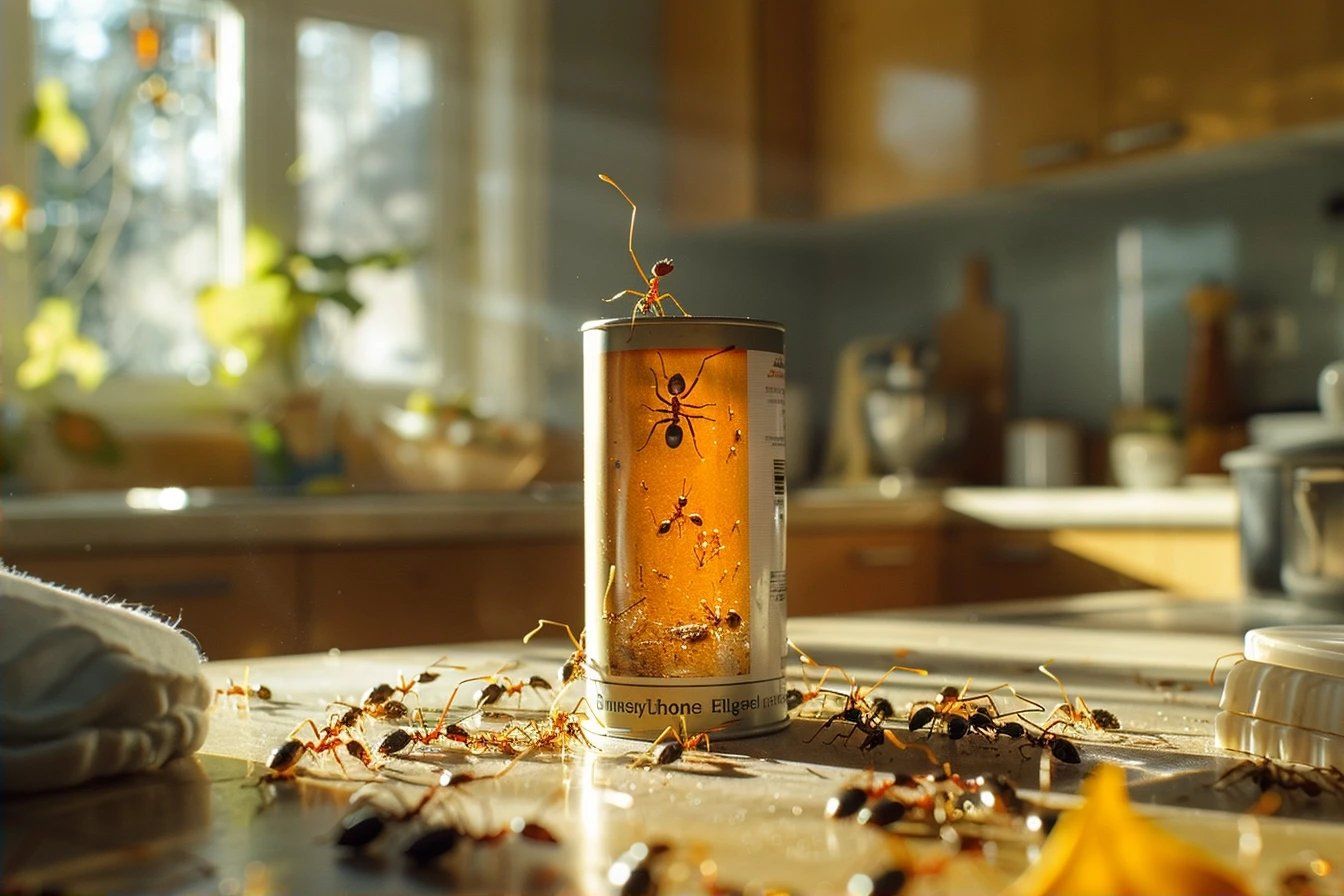
It is hard enough to deal with insects in the kitchen when you are the only one affected. It becomes far more urgent when dogs, cats, rabbits, birds, or other animals eat, sleep, and move through the same space. A line of ants crossing a countertop is unpleasant; ants around pet bowls are worse, because they can contaminate food and may carry bacteria from one surface to another.
The real issue is that insect problems rarely stay small for long. The longer you wait, the more established the infestation becomes. An ant colony can contain up to 500,000 individuals, which explains how quickly a few visible insects can turn into a household problem. Once they find water, crumbs, or pet food, they often keep returning.
That is why acting early matters. A kitchen, laundry room, or feeding area can go from manageable to overwhelming faster than people expect, and pets are often the first to be affected because their bowls and litter areas attract attention.
What I learned from using an insect fogger
When I adopted my Rex rabbit, I discovered that his litter area attracted swarms of flying insects. It was frustrating and stressful, especially because I wanted to keep his environment clean without exposing him to unnecessary risk. My veterinarian recommended an insect fogger, but only if I followed a precise routine to keep my animals safe.
An insect fogger works by releasing a fine insecticide mist throughout the room. Unlike a spray that only reaches visible surfaces, the fog spreads into corners, cracks, and other hard-to-reach places. That broader coverage is one of the reasons it can be so effective in enclosed indoor spaces where insects hide.
The result, when handled correctly, is a more thorough treatment than many people achieve with spot cleaning alone. It does not replace good housekeeping, but it can help reset a room that has become badly infested.
Before fogging: insects everywhere, stressed animals, contaminated food
After fogging: no visible insects, calmer pets, a cleaner environment
The safe way to protect your animals
If you need to use an insect fogger in a home with pets, preparation is everything. The goal is not just to eliminate insects, but to make sure every animal is kept away from the treated area until it is safe to return.
1. Remove all animals from the home: Take out every pet, including dogs, cats, birds, hamsters, and any other animals. If you have an aquarium, it must be either moved or covered hermetically, because water exposure must be prevented.
2. Prepare the space: Remove pet bowls, toys, bedding, litter accessories, and anything else your animals use regularly. Close the windows and use the fogger exactly as directed on the product instructions.
3. Respect the waiting time: Follow the stated delay carefully, which is generally 2 to 4 hours. It can be tempting to return sooner, but that would defeat the purpose of keeping your pets safe.
4. Air out the room thoroughly: Once the treatment time is complete, open all windows and let fresh air circulate for at least 30 minutes before bringing animals back inside.
Key figure: When used correctly, an insect fogger can eliminate 99.9% of the insects present, including those hidden in cracks and other areas that are difficult to treat with other methods.
How to know when your pets can return
Your nose is one of the best tools you have. If the smell of the product has disappeared and the room feels fresh again, that is a good sign that airing is complete. It is also important to watch your pets when they come back in. Normal behavior usually means everything is fine: no unusual sneezing, no excessive scratching, and no restlessness.
One extra precaution is to wipe down surfaces with a damp cloth before putting the bowls back in place. Pets have a much sharper sense of smell than we do, and this small step can help make their feeding area feel clean and familiar again.
If there is any lingering doubt, wait a little longer before reintroducing the animals. A few extra minutes is a small price to pay for peace of mind.
Restoring calm in a home with pets
Once the treatment is complete and the room has been aired properly, it becomes much easier to manage future pest problems without anxiety. Instead of reacting in a rush when insects appear, you can follow a clear process that protects both your home and your animals.
That is what made the difference in my case. Pixie, Rex, and the rest of my companions could return to a cleaner, more comfortable space, and I could stop worrying every time I opened a cupboard or cleaned a feeding area. A well-used insect fogger is not a magic fix, but it can be an effective part of a thoughtful approach to household pest control.
In the end, pets deserve an environment that is safe, hygienic, and free from the stress of insects moving through their food and living spaces. With the right precautions, you can treat the problem without turning your animals into collateral damage.
latest posts published

Pregnant Dog: How to Prepare for the Arrival of the Puppies?

Death and Inheritance Rights: Who Inherits Your Pet? What You Need to Know
Senior Dog Kibble: At What Age Should You Switch?

Which Dog Breeds Don’t Shed Hair?

Bringing Your Dog or Cat to the Casino: Is It Really Possible?

What Are the Most Beautiful Cat Breeds?

Why Does My Dog Close Its Eyes When I Pet Its Head?
How to Clean Your Cat’s Ears Without Stress

Sterilizing My Cat: The Real Pros and Cons