

Last week, my cat Luna surprised me in the best possible way. As I came in with the groceries, she sat quietly beside her empty bowl instead of meowing at the top of her lungs as she usually does. That small moment reminded me how important it is to notice and reward the behaviours we want to encourage in our cats. Contrary to the old stereotype, cats can learn very well through positive reinforcement.
If you want to encourage better habits in your own four-legged companion, the key is to build a reward system that makes sense for a cat’s independent nature. Done well, it can improve everyday life at home and strengthen the bond you share.
Understanding feline psychology first
Cats do not think like dogs. A dog often looks for approval from its human, while a cat is usually driven first by its own needs, preferences, and sense of comfort. That difference is not a flaw; it is simply how cats are wired.
To reward your cat effectively, you first need to figure out what genuinely motivates them. Some cats are food-driven, others prefer a scratch under the chin, and some are far more interested in a short play session with a favourite feather toy.
Observation is your strongest tool. Watch when your cat seems relaxed, curious, or receptive. Those calmer moments are ideal for introducing rewards because your cat is more likely to notice the connection between what they did and what follows.
Did you know?
Cats can learn up to 25 different commands through positive reinforcement. The idea that they are impossible to train is simply not true.
The types of rewards that work best
Treats: the secret weapon for food-motivated cats
A small treat can be a powerful way to reinforce a good behaviour. Choose high-quality rewards that are rich in protein and easy to chew. Tiny pieces of dried tuna, freeze-dried kibble, or even a very small bite of cheese can work well, as long as they are given in moderation.
Timing matters just as much as the reward itself. The treat should come within about three seconds of the desired behaviour. After that, your cat is less likely to connect the reward with the action you wanted to encourage.
Affection: a universal language
Many cats respond better to affection than to food. A scratch under the chin, gentle strokes along the cheeks, or a soft rub at the base of the ears can be far more rewarding than a snack.
Every cat has its own preferred touch. Luna, for instance, melts whenever I gently stroke the top of her head. It has become our little praise ritual, and she now associates it with moments when she has done something right.
Play as a playful reward
For cats that love to move, a few minutes of play can be the best reward of all. A feather on a string, a laser pointer used carefully and always followed by a real object to catch, or even a simple cardboard box can feel like an exciting prize.
This approach is especially effective with young cats or active breeds such as Bengals and Abyssinians.
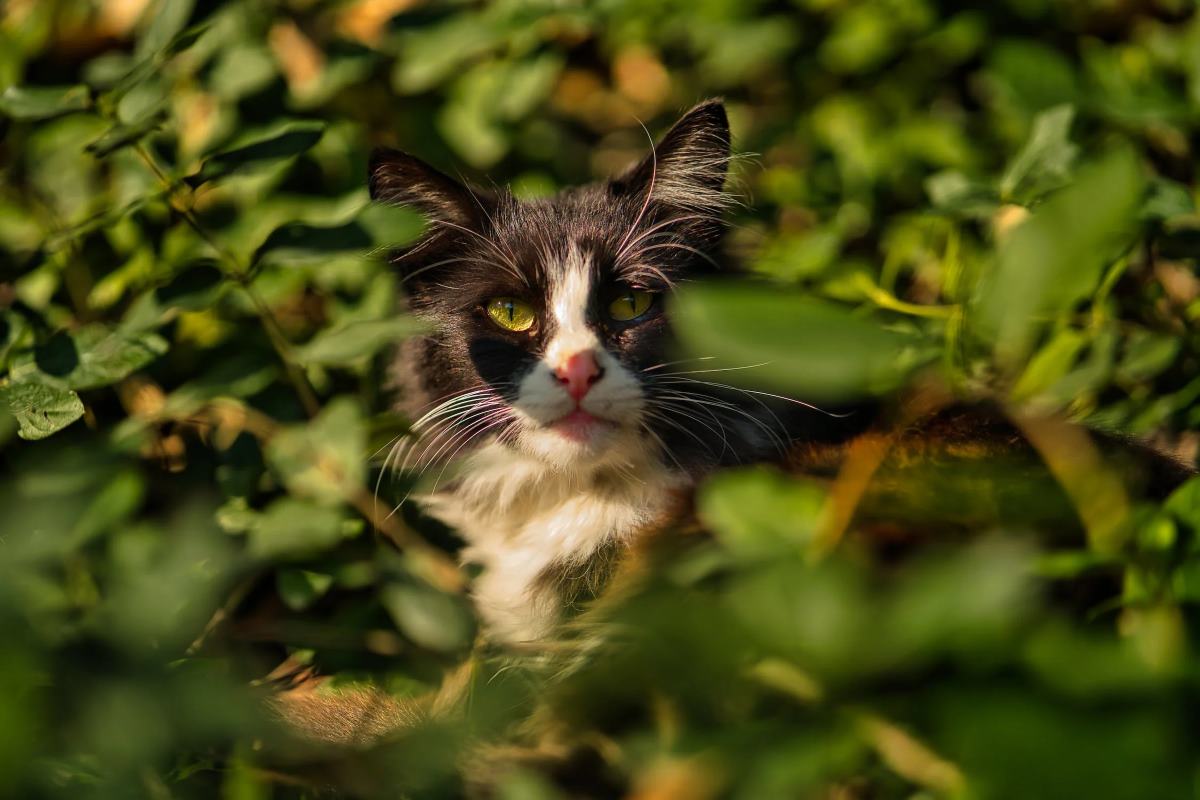
When to reward your cat: getting the timing right
Behaviours worth encouraging first
Focus on the behaviours that make daily life easier and more harmonious. Using the scratching post instead of the sofa, coming when called, staying calm during brushing, or tolerating the carrier without panic are all excellent examples.
Try not to change everything at once. Pick one behaviour, work on it consistently, and be patient. Training a cat is a gradual process, not something that happens overnight.
The value of small wins
Reward progress, even if it is tiny. If your cat walks up to the scratching post without using it, that is still movement in the right direction. These small steps help prevent frustration and keep your cat engaged.
It took me three weeks to teach Luna to come when I called her. The first time she simply lifted her head at the sound of her name, I praised her. Then she took one step toward me, then two. Today, she runs over as soon as I say her name.
Inspirational quote
“Patience is the art of hoping.” This line by Vauvenargues fits cat training beautifully. Every small improvement deserves recognition.
Mistakes to avoid
Punishment has no place in feline education. Shouting, hitting, or using a spray bottle will only increase stress and damage trust. Cats quickly connect unpleasant experiences with the person causing them, which can make the problem worse rather than better.
It is also important not to reward unwanted behaviour by accident. If your cat meows for food and you give in “just this once,” you may actually be strengthening the habit.
Finally, respect your cat’s limits. A tired or stressed cat will not be in the right state to learn. Choose moments when they are calm, settled, and open to interaction.
Building a reward routine that lasts
The most effective approach is to weave rewards into everyday life rather than turning them into formal training sessions. A few minutes in the morning before you leave for work, or in the evening when you get home, is often enough.
Keep a few treats nearby so you can catch positive behaviour as it happens. Immediate praise is far more meaningful to a cat than a delayed reward given long after the moment has passed.
Strengthening your bond with your cat
Beyond behaviour training, rewarding your cat creates small moments of trust and connection. Those shared experiences help your cat understand what you expect while also making them feel safe and appreciated.
Start by observing what motivates your cat most. Try different kinds of rewards and pay attention to what gets the best response. You may be surprised by how cooperative a cat can be when they feel understood and valued.
The important thing is not perfection. It is consistency, patience, and a willingness to notice what your cat is telling you. With that approach, rewards become more than a training tool: they become part of a better relationship.
latest posts published

Pregnant Dog: How to Prepare for the Arrival of the Puppies?

Death and Inheritance Rights: Who Inherits Your Pet? What You Need to Know

Senior Dog Kibble: At What Age Should You Switch?

Which Dog Breeds Don’t Shed Hair?

Bringing Your Dog or Cat to the Casino: Is It Really Possible?

What Are the Most Beautiful Cat Breeds?

Why Does My Dog Close Its Eyes When I Pet Its Head?
How to Clean Your Cat’s Ears Without Stress

Sterilizing My Cat: The Real Pros and Cons