

You know that moment when you’re petting your cat and catch a strange little smell? 🐱 One morning, while preparing Mimi’s kibble, I noticed she kept shaking her head. When I took a closer look, her small triangular ears were full of brownish earwax.
My stomach dropped. How had I missed it? A cat’s ears are their purring radar, their built-in mouse detector. Neglecting them is a bit like ignoring the engine in your car: everything may seem fine until a small issue turns into a much bigger one.
If you never want to see your cat scratching until it hurts, follow this guide. In just a few minutes, you can turn ear care into a calm, reassuring moment instead of a struggle.
Why so many owners get it wrong
Have you ever tried to clean your cat’s ears with a cotton swab? 🙈 That’s a serious mistake. When I first adopted my cat Oscar, I nearly damaged his eardrum. My vet explained it perfectly: it’s like trying to unclog a sink with a hammer.
Picture the scene: Oscar panicking, his claws flying out, and me realizing I was pushing dirt even deeper into his ear canal.
The truth is that feline ears are far more delicate than ours. One poor gesture can lead to an ear infection, and in some cases, to something even worse.
A low-stress cleaning method that works
After years of trial and error, and a few scratches along the way, here’s the approach I rely on:
Choose the right moment: Timing matters. Mimi is much more cooperative after a meal, when she is relaxed and content.
Keep the tools simple: Forget cotton swabs. A sterile compress soaked with saline solution is all you need for routine cleaning. Veterinary ear cleaners are useful for more difficult cases, but they should only be used when appropriate.
Use the towel wrap: Gently wrap your cat in a towel, like a little burrito, leaving only the head exposed. It helps prevent surprise scratches and keeps the process safer for both of you.
My personal tip: I always hum the same little tune during cleaning. My cats now associate that melody with a calm, comforting routine.
| Frequency | Type of cat | Recommended product |
|---|---|---|
| Once a month | Indoor cat | Saline solution |
| Twice a month | Long-haired cat | Veterinary ear cleaner |
| Once a week | Cat with recurring ear infections | Prescription product only |
Warning signs you should never ignore
Mimi taught me how to recognize her distress signals. A strong smell, like spoiled cheese, can point to an infection. Black crusts may suggest mites.
If your cat constantly tilts its head to the same side or scratches until the skin is broken, it’s time to see a vet right away. 🚨
A visible difference: Before, Mimi would avoid being touched near her ears. Now she starts purring as soon as my hands move toward her little head. Regular cleaning has strengthened our bond.
Key figure: 73% of ear infections in cats can be prevented with proper monthly cleaning.
Make ear care a comforting ritual
The secret is to treat each session like a gentle bonding moment. A few soft strokes, a calm voice, and the task becomes something your cat can accept without fear.
With the right routine, you can care for your cat’s ears without stress and without turning the experience into a battle. In return, you may be rewarded with one of the best signs of trust a cat can offer: a quiet, satisfied purr.
latest posts published

Pregnant Dog: How to Prepare for the Arrival of the Puppies?

Death and Inheritance Rights: Who Inherits Your Pet? What You Need to Know

Senior Dog Kibble: At What Age Should You Switch?

Which Dog Breeds Don’t Shed Hair?

Bringing Your Dog or Cat to the Casino: Is It Really Possible?

What Are the Most Beautiful Cat Breeds?

Why Does My Dog Close Its Eyes When I Pet Its Head?
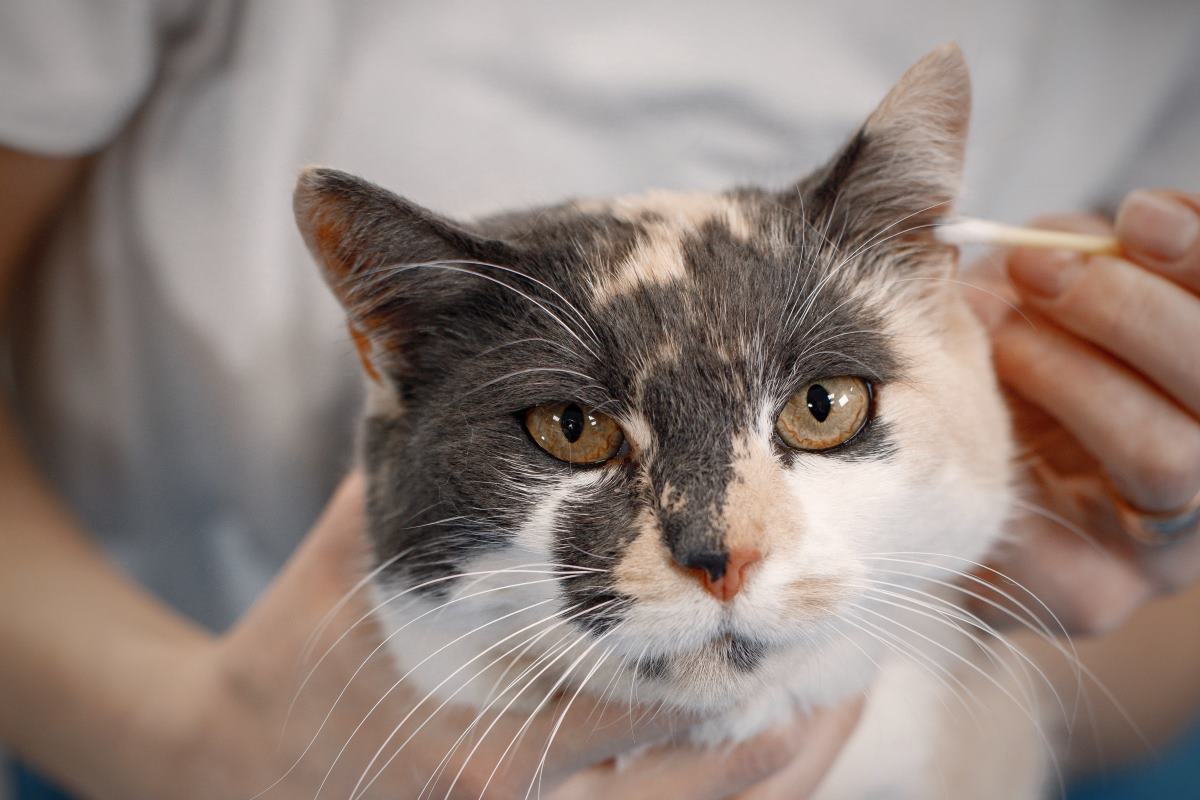
How to Clean Your Cat’s Ears Without Stress

Sterilizing My Cat: The Real Pros and Cons