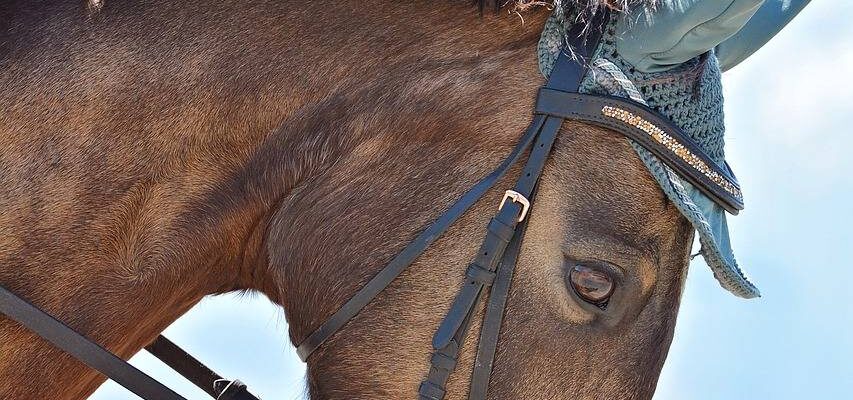
The bridle, also called a headstall, is one of the essential pieces of a horse’s tack. While it is possible to ride without a saddle and some of its accessories, such as a saddle pad, it is much harder to work a horse without a bridle. This is the equipment that allows the rider to guide the mount, so choosing it requires care. The right bridle should be comfortable for the horse and practical for the rider, which makes the decision more important than it may first appear.
Choosing a bridle: factors tied to the horse’s comfort
To learn more about horse bridles, it is best to turn to specialists who can advise you on bridle fitting. This is the practice of studying whether the different components of a bridle suit a particular horse’s needs. It helps ensure that the equipment supports comfort, control, and proper fit rather than simply looking attractive.
One point that deserves close attention is the noseband. Because it rests against the horse’s nose, it can quickly become uncomfortable if the fit is wrong or if the design is poorly suited to the horse. Appearance and current trends should never come before usefulness. The most appropriate noseband is the one that serves a real purpose and does not cause unnecessary pressure.
The choice of headpiece design is also more complex than many riders expect, since every horse has a different build and a different tolerance to pressure. For that reason, many brands now offer anatomical models. Even so, it is important to remember that a headpiece that is too wide can affect the atlas, the first vertebra in the horse’s cervical spine. In other words, comfort is not only a matter of softness; it is also a question of how the bridle sits in relation to the horse’s anatomy.
As for the bit, some people assume that thicker models are automatically more comfortable for horses. Bit fitting suggests otherwise. A bit that is too thick can sit too close to the horse’s tongue and create excessive pressure on it. Just like the headpiece, there is no such thing as a perfect bit. The goal is to find the model that best matches the horse’s mouth, sensitivity, and way of going.

Choosing the reins
It is difficult to talk about bridles without mentioning the reins. Reins are what allow the rider to communicate effectively with the horse, so their material and design matter. Smooth leather reins make contact with the horse feel more precise, which can improve the clarity of the rider’s aids. They are also very supple and pleasant to hold. Other leather reins come with a rubber lining or grip. These tend to be thicker, and their non-slip surface helps keep the rider’s hands from sliding.
Fabric reins are practical as well. They often include stops that help the rider keep the hands in the right place. On the other hand, this type of rein can be harsher on the palms and is generally less durable. These differences show that the material of the bridle should not be chosen casually. Leather offers greater comfort, while synthetic materials are usually easier to maintain and clean. The best choice depends on how the bridle will be used, how much maintenance the rider is willing to do, and what feels most natural in the hand.
Choosing an ergonomic bridle
The rider also needs equipment that is practical and easy to use. Manufacturers have clearly taken this into account by offering models with quick-release buckles or snaps. Bridles fitted with these features are easier to put on and remove, which saves time during preparation and adjustments. They also make it simpler to adapt the noseband and other parts to the horse’s build and size.
In everyday use, this can make a real difference. A well-designed bridle should not only suit the horse’s anatomy but also support efficient handling. When equipment is easy to adjust, riders are more likely to check the fit carefully and make small corrections when needed. That extra convenience can encourage better habits and reduce the temptation to leave a bridle slightly misadjusted simply because it is difficult to handle.
latest posts published

Death and Inheritance Rights: Who Inherits Your Pet? What You Need to Know

Senior Dog Kibble: At What Age Should You Switch?

Which Dog Breeds Don’t Shed Hair?

Bringing Your Dog or Cat to the Casino: Is It Really Possible?

What Are the Most Beautiful Cat Breeds?

Why Does My Dog Close Its Eyes When I Pet Its Head?
How to Clean Your Cat’s Ears Without Stress

Sterilizing My Cat: The Real Pros and Cons

Is a Croissant Safe for Your Dog?