
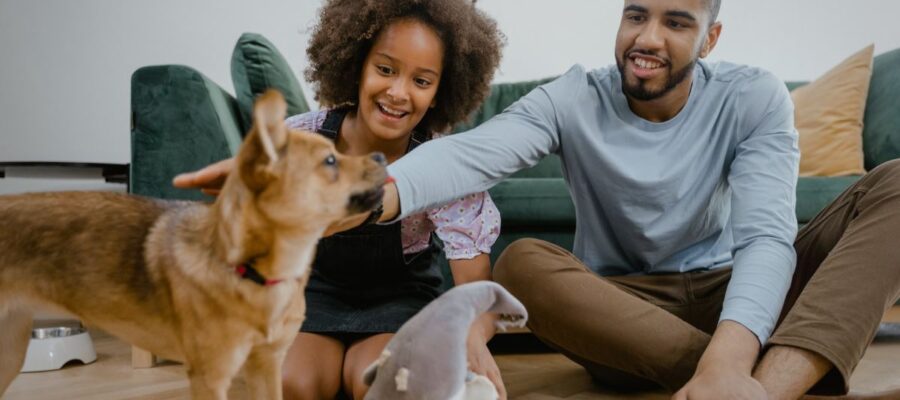
Buying or selling a dog is never just a simple transaction. It is a decision that can shape the life of both the animal and the person welcoming it into a new home. Whether you are looking for a new companion or need to find a responsible family for a dog you can no longer keep, the process deserves care, patience, and a healthy dose of caution.
Many people discover quickly that classified ads and online listings can be confusing at best and risky at worst. A cute photo and a low price are not enough to guarantee that the dog has been properly raised, identified, vaccinated, or ethically placed. The good news is that with the right reflexes, you can avoid most of the common traps and make a much safer choice.
Warning signs you should never ignore
A friend once nearly adopted a French bulldog from an advertisement that looked perfect on the surface: adorable pictures, a supposedly fair price, and a seller who seemed friendly enough on the phone. But the moment she asked to see the puppy’s parents, the answers became vague and contradictory. That hesitation was a major red flag.
A serious breeder should be able to show you where the puppies come from and answer your questions clearly. If the seller avoids direct answers, pushes you to decide immediately, or refuses any visit, it is best to walk away.
Here are the most common warning signs:
- Several “available” litters at the same time
- No possibility of visiting the breeding facility or the puppy’s environment
- Cash-only payment with no proper paperwork
- Delivery arranged in a parking lot, at a motorway service area, or in another neutral location
Good signs matter just as much:
- The breeder asks questions about your lifestyle and living conditions
- The puppies are identified and vaccinated, with a health record to prove it
- You are allowed to meet the mother of the litter
Key figure: according to the SPA, 80% of puppies sold in pet shops come from intensive breeding operations. That is one more reason to choose carefully and favour committed, transparent breeders.
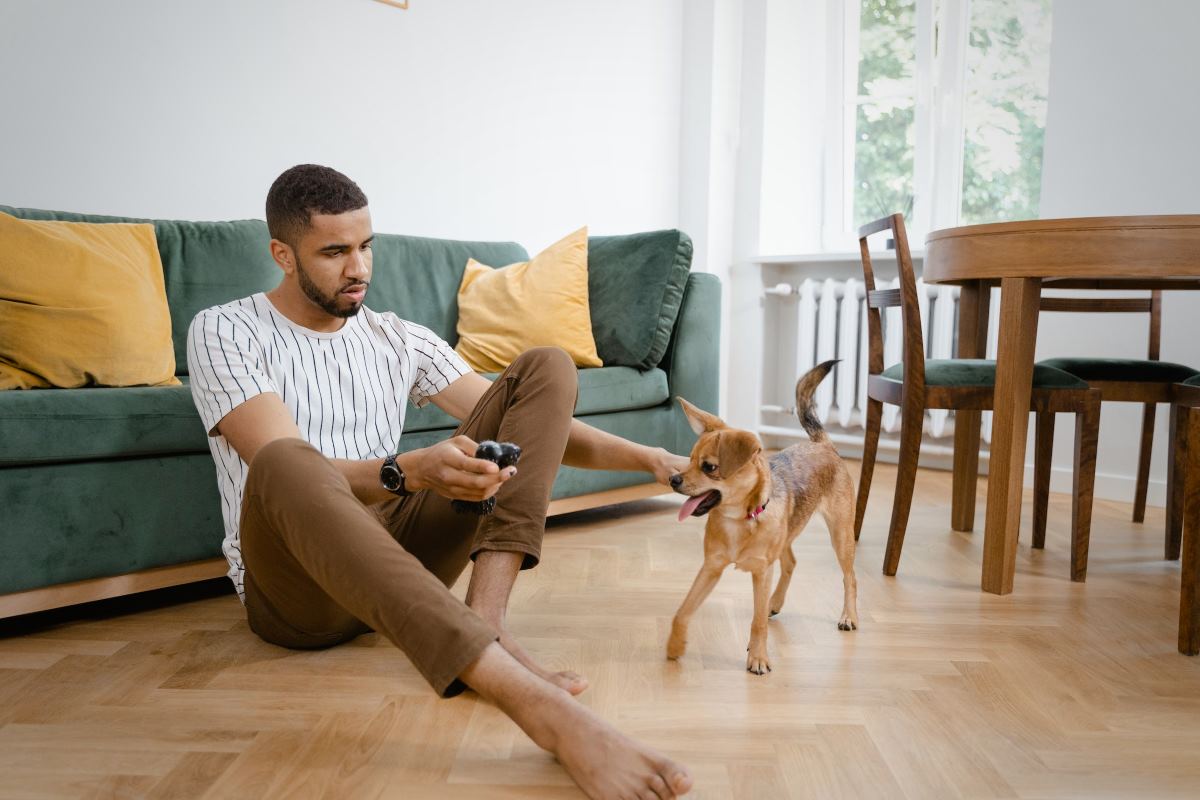
Selling a dog is more delicate than it looks
People sometimes imagine that selling a dog simply means posting an advert and waiting for the calls to come in. In reality, it takes much more than that, especially if the goal is to place the animal in a stable, responsible home.
Unexpected calls, unrealistic offers, and people who want to “try” the dog for a few days are all common problems. That is why the first step is to make sure every document is in order. A dog should have a health record, proof of identification, and, if applicable, a pedigree. These papers are not optional details; they are the foundation of a proper transfer.
Photos also matter more than many people think. Instead of a single static image, choose pictures that show the dog’s personality: playing, walking, interacting, or relaxing with the family. Buyers usually connect first through emotion, and good photos help them understand the dog’s temperament and daily life.
A simple comparison of the main options
| Sales channel | Advantages | Disadvantages |
|---|---|---|
| Recognised breeder | Well-socialised dogs, clear guarantees | Higher price |
| Shelter / SPA | Responsible choice, dogs vaccinated | Background sometimes unknown |
| Private seller | Direct contact, known history | Careful checks still needed |
The right option depends on your priorities, but none of these channels should be approached casually. A breeder, shelter, or private seller can all be reliable, provided that the process is transparent and the dog’s welfare comes first.
The paperwork that protects everyone
One of the most important things to remember is that a dog sold without identification is legally treated as if it does not exist in the system. That can create serious problems later, especially if the animal is lost, injured, or involved in a dispute.
As a seller, you are expected to provide the essential documents, including:
- The transfer certificate
- The sales attestation
- The identification documents
As a buyer, you should insist on receiving these papers before or at the time of transfer. If the paperwork is incomplete, unclear, or missing altogether, that is a sign to slow down and ask more questions. A responsible sale always leaves a trace.
Personal tip: I always use the “FilalChien” app to check an animal’s identification. A quick chip scan is enough to display the relevant information.
Alternatives worth considering
Many people focus only on breeders or private advertisements, but there are other paths that can be just as meaningful. Breed-specific associations, for example, can be an excellent resource if you are looking for a particular type of dog. Whether you are interested in a cocker spaniel, a husky, or another breed, these organisations often know the breed’s needs, behaviour, and common health concerns very well.
That kind of expertise can help you make a better decision. A dog that looks perfect on paper may not be the best match for your daily routine, your space, or your activity level. A good association will not try to push you toward a quick decision; instead, it will help you understand whether the dog is truly compatible with your life.
Shelters also deserve serious consideration. Some dogs arrive with difficult histories, but many settle beautifully into new homes when given time, routine, and patience. Adoption is not always the easiest route, but it can be deeply rewarding, and it gives an animal a second chance.
A practical checklist before you decide
Before buying or selling a dog, it helps to slow down and go through a few essential checks. This is not about making the process complicated for its own sake; it is about protecting the animal and avoiding regret later.
If you are buying
- Always visit before you buy
- Ask questions about the dog’s habits, health, and environment
- Check all documents carefully
- Meet the mother if possible
- Trust your instincts if anything feels wrong
If you are selling
- Be fully transparent about the dog’s character and needs
- Prepare every required document in advance
- Take your time choosing the right family
- Do not rush simply because someone is offering money quickly
- Remember that the goal is a stable, lasting home
Buying a dog is not an impulse purchase. It is a commitment that can last 10 to 15 years, sometimes more. That means daily care, veterinary visits, training, expenses, time, and emotional investment. The same seriousness should apply when rehoming a dog: the future family must be ready to take on that responsibility.
If you approach the process with patience and clear standards, you give yourself the best chance of a good outcome. A healthy dog, proper paperwork, a transparent seller, and a home that fits the animal’s needs are the foundations of a successful match.
latest posts published
Dog Supplies: Essential Checklist Before Adoption (2026 Guide)

How to Understand Your Hamster’s Behavior

How to Feed an Unweaned Kitten –

Medium-Haired Cats: Breeds, Temperament, and Prices – Cat Breeds
When and How to Find an Emergency Veterinarian
Chocolate Labrador: This Secret Could Save Its Health
What Should I Do If My Dog Breaks a Leg?
The Modern Challenges Facing Farmers Today –
Healthy Dog: How to Spot the Key Warning Signs