Have you ever wanted a furry companion that could hop around your home, but felt that a dog or cat would require too much responsibility? Or maybe you are looking for a truly distinctive pet, one that stands out from the usual choices. If so, a dwarf rabbit could be the perfect match.
Before bringing one of these small, charming animals home, however, it is important to understand what caring for and training one really involves. The good news is that rabbits are often much easier to train than people expect. With patience, consistency, and a few well-timed treats, your rabbit can learn useful habits and even a few fun tricks. Here is what you need to know about training a dwarf rabbit.
What you need before training a dwarf rabbit
Before you begin, make sure you have a few essentials ready. The most important one is patience. Training a rabbit takes time and consistency, and there will be moments when progress feels slow. That is completely normal. If you stay calm and keep practicing, the results can be very rewarding.
In addition to patience, you will also need the following:
- A quiet place to train: Choose an area in your home where your rabbit feels comfortable and where there are few distractions. Avoid busy spaces such as the kitchen or living room if possible. A quiet corner of a bedroom or home office is often a better choice.
- A selection of treats: Rabbits enjoy carrots and other vegetables, which can work well as rewards for good behavior. You can also use rabbit pellets or commercial treats made specifically for rabbits. Just be sure whatever you offer is healthy and not loaded with sugar.
- A training schedule: Like most animals, rabbits learn best when training happens regularly. Set aside a small amount of time each day—about 15 minutes is enough—to work with your rabbit. Try to keep the schedule consistent so your pet can build familiarity and confidence.
Basic training techniques for dwarf rabbits
Now that you have the essentials, it is time to start training your dwarf rabbit. The methods below are simple, practical, and well suited to beginners.
- Clicker training: This is a popular method among animal trainers because it is straightforward and effective. Start by getting a small handheld clicker from a pet store or online. Each time your rabbit does something you want to encourage, such as jumping through a hoop, click immediately and then offer a treat. Over time, your rabbit will associate the click with success and will repeat the behavior more willingly.
- Target training: Target training is similar to clicker training, but it does not require special equipment. Begin by teaching your rabbit to touch its nose to your finger when you hold it out in front of them. Once that is understood, move on to a different object, such as a wooden block or a ping-pong ball, and encourage your rabbit to touch it. After that, you can gradually move the target so your rabbit has to follow it with its body. From there, you can build toward simple tricks such as turning in a circle or jumping through a hoop.
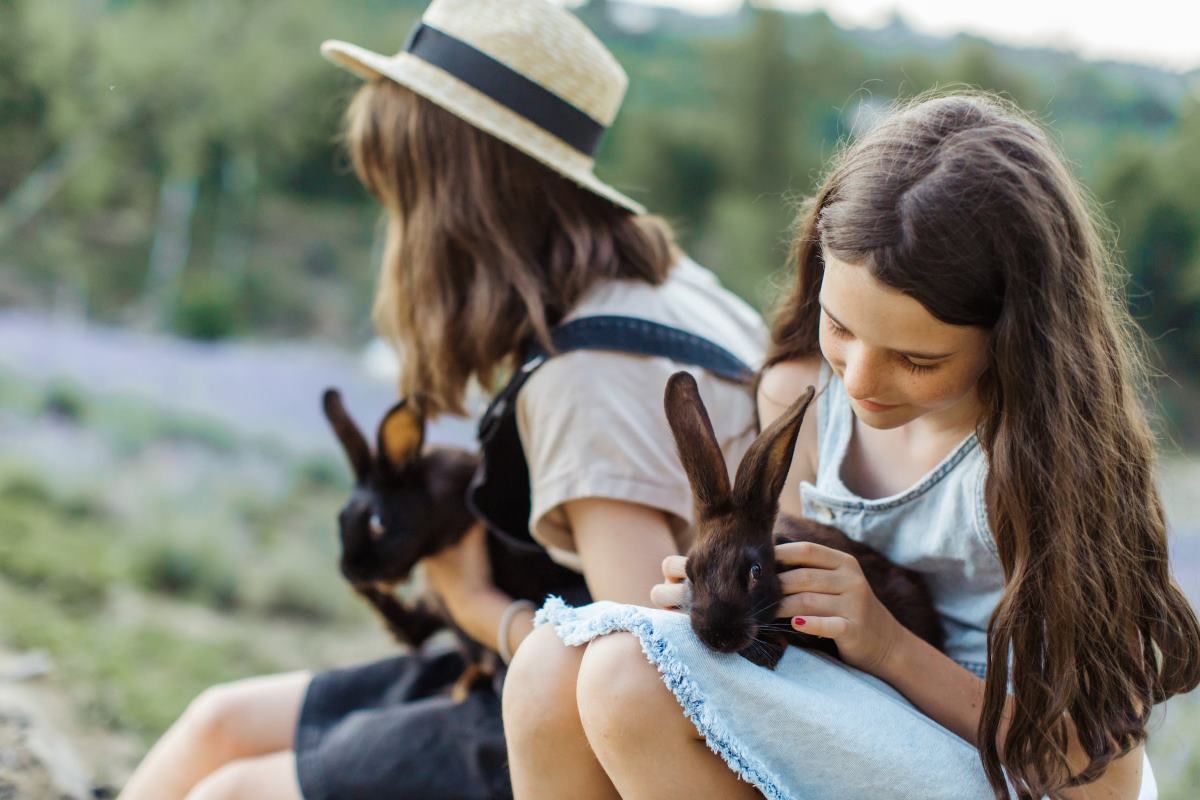
- Partner training: This technique involves two people. One person holds the rabbit while the other offers treats to encourage the desired action, such as jumping through a hoop. It is sometimes used by professional trainers because it makes it easier to work with several animals, but it can also be a helpful approach for families or friends who want to take part in the training process together.
Tips for raising and caring for a dwarf rabbit
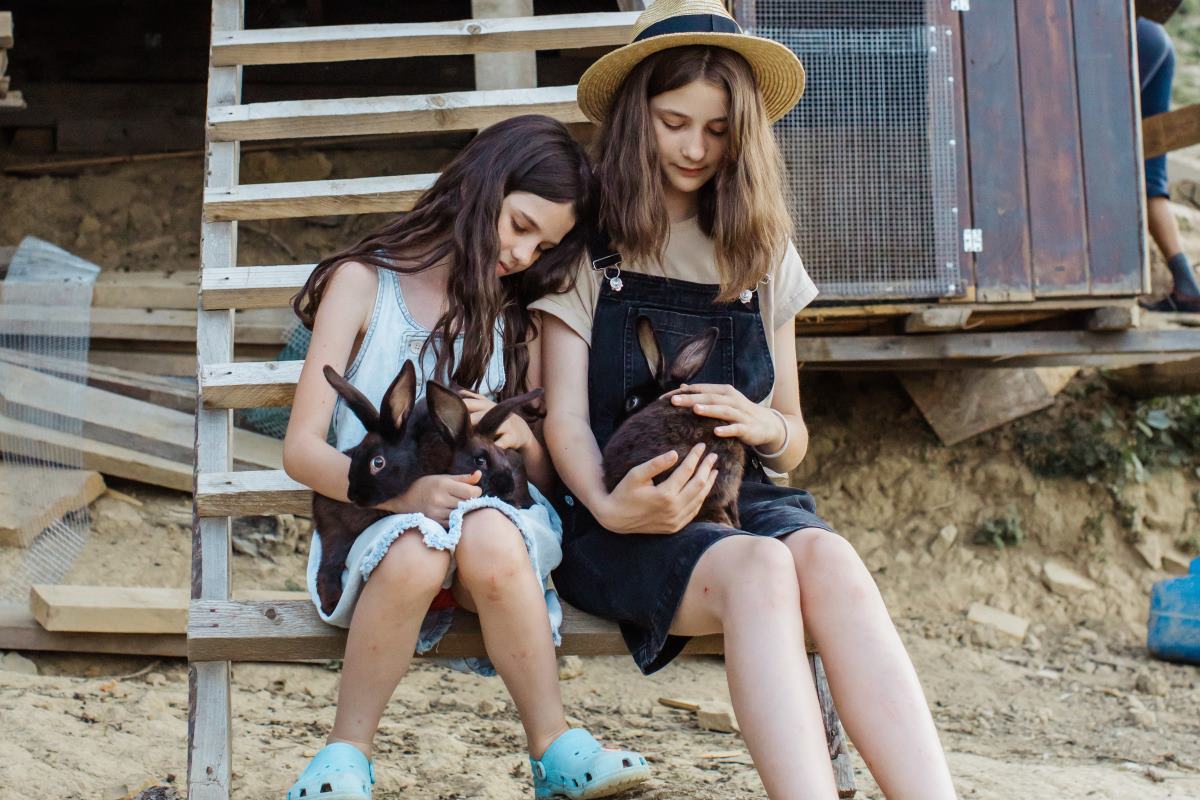
At first glance, dwarf rabbits may seem to need less care than larger rabbits, but that is not really the case. In reality, they have specific needs that must be met if they are to stay healthy, active, and happy. Good training works best when it is supported by proper daily care.
Dwarf rabbits need plenty of exercise, so make sure they have a spacious cage or enclosure where they can move around and explore. They also enjoy toys, so consider adding balls, tunnels, or other safe enrichment items to their environment.
Food is another important part of care. Dwarf rabbits need a diet that is high in fiber and low in sugar. Hay should make up most of what they eat, but they should also have access to fresh vegetables and a small amount of pellets.
Just as importantly, dwarf rabbits need plenty of affection and attention. Spend time with your rabbit each day, play with them, and handle them gently. A calm, predictable routine will help your rabbit feel secure and make training easier. When exercise, nutrition, and interaction are all in balance, your rabbit will be in a much better position to learn and thrive.
Practical advice for better results
If you want training to go smoothly, start with very simple tasks and reward progress right away. Rabbits respond best when they clearly understand which action earned the treat. Keep sessions short so your rabbit stays focused and relaxed, and stop before they become tired or impatient. It is also important to use the same cues consistently, since mixed signals can make learning slower.
Remember that every rabbit has its own personality. Some learn quickly, while others need more repetition before they feel comfortable trying something new. That does not mean the rabbit is uncooperative; it usually just means the pace needs to be adjusted. Calm repetition, a quiet environment, and small rewards often make all the difference.
It also helps to think of training as part of your rabbit’s everyday routine rather than a one-time task. Small, regular lessons often work better than long sessions that happen only occasionally. Over time, this approach can help build trust, improve behavior, and strengthen the bond between you and your pet.
Final thoughts
Training a dwarf rabbit is easier than many people expect. With patience, tasty rewards, and a steady routine, you can teach your rabbit useful behaviors and even a few entertaining tricks. Just remember that good training goes hand in hand with proper care: enough space, the right food, gentle handling, and daily attention all matter. Start slowly, stay consistent, and enjoy the process of getting to know your rabbit better.
latest posts published

Death and Inheritance Rights: Who Inherits Your Pet? What You Need to Know

Senior Dog Kibble: At What Age Should You Switch?

Which Dog Breeds Don’t Shed Hair?

Bringing Your Dog or Cat to the Casino: Is It Really Possible?

What Are the Most Beautiful Cat Breeds?

Why Does My Dog Close Its Eyes When I Pet Its Head?
How to Clean Your Cat’s Ears Without Stress

Sterilizing My Cat: The Real Pros and Cons

Is a Croissant Safe for Your Dog?