

Most dog owners love the idea of sharing the sofa with their pet, but in practice it can become a habit that is hard to manage. A dog jumping onto the couch is not usually a serious problem on its own, yet it can create tension in the home, especially if you want to keep furniture clean, protect cushions, or simply set clear boundaries. The good news is that you do not need harsh discipline to change this behavior. With a few simple adjustments, you can teach your dog where it is welcome to rest and make the sofa less appealing as a default spot.
Offer better alternatives
The easiest way to keep a dog off the sofa is not just to say “no,” but to give it a better place to go. Dogs usually repeat the behaviors that feel comfortable and rewarding, so your goal is to make another spot seem just as inviting as the couch. A soft bed, a blanket, or a padded mat placed near the family area can work very well. If your dog likes to chew, adding a safe chew toy or a treat designed for that purpose can help make the new resting place more attractive.
If your dog already has a favorite corner on the floor, improve that space rather than trying to fight against it. A couple of cushions, a warmer blanket, or a bed with higher sides may be enough to turn that spot into a real alternative. The idea is simple: if your dog has a place that feels comfortable, familiar, and rewarding, it will be less likely to keep returning to the sofa.
Use positive training methods
It can be tempting to scold a puppy every time it jumps onto the furniture, but punishment rarely solves the problem in the long run. Dogs learn more effectively when they are rewarded for the behavior you want to see rather than repeatedly corrected for the behavior you dislike. Positive training means acknowledging and reinforcing the moments when your dog makes the right choice.
When your dog stays on its bed, lies on the floor instead of jumping up, or responds to a command such as “down” or “off,” reward that behavior right away. Praise, affection, and a small treat can be enough to make the message clear. Over time, your dog begins to connect calm, appropriate behavior with something pleasant. That association is what gradually shifts the habit away from the sofa and toward the place you have chosen for it.
Be consistent and patient
Training takes time, especially when a dog has already learned that the couch is a comfortable and rewarding place to be. One reminder is not enough, and progress may seem slow at first. That does not mean the training is failing; it simply means the dog is learning a new routine.
Consistency matters more than intensity. If the sofa is allowed sometimes but not others, the rules become confusing. Try to respond the same way every time and make sure everyone in the household follows the same approach. If one person allows the dog on the couch while another removes it, the behavior will be harder to change. Short, repeated training sessions are often more effective than occasional long ones, and patience is essential if you want the habit to improve permanently.
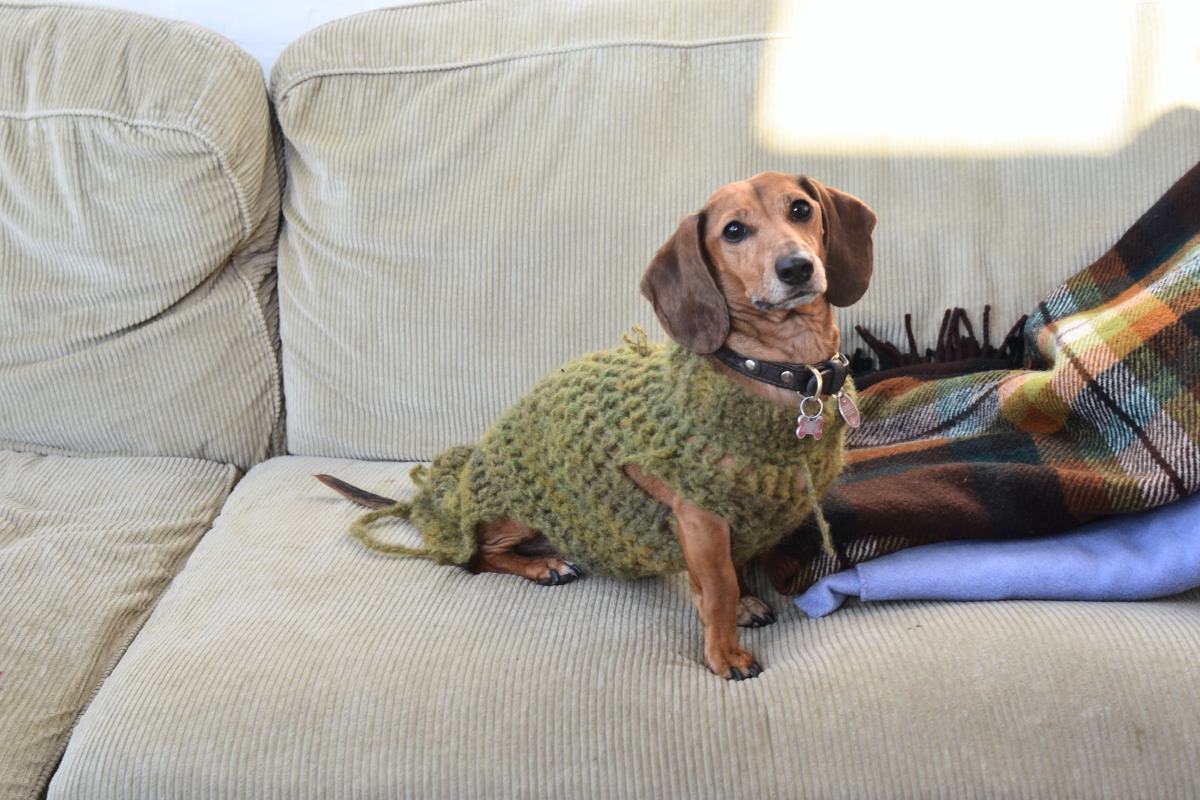
Should you stop your dog from getting on the sofa?
This is a question many owners ask, and there is no single answer that fits every household. For some people, the sofa is strictly off-limits. They prefer to keep boundaries clear and avoid having hair, dirt, or muddy paws on the furniture. For others, sharing the couch is part of everyday life and a natural way to spend time with a pet.
There are practical reasons some owners choose to allow it. Sitting together on the sofa can be a simple way to strengthen the bond with your dog and offer comfort and attention. It can also be easier to supervise your pet while relaxing in the same space. In homes where dogs are allowed on the furniture, using washable covers or blankets can help protect the upholstery and make cleanup easier. In that sense, letting a dog onto the couch is not automatically a bad habit; it is a decision about what works best for the home and for the people and animals living in it.
If, however, you do not want your dog on the sofa, the key is to set the limit early and stick to it. A dog that keeps jumping up despite repeated verbal corrections may need a firmer and more structured response, but that still does not mean harsh treatment. A brief time-out in a safe area, such as a dog pen or enclosed space, may help interrupt the behavior and give the dog a clear reset. The goal is not to frighten the animal, but to make the rule understandable and consistent.
Final thoughts and practical advice
Keeping a dog off the furniture can feel challenging at first, especially if the animal has already developed the habit of climbing onto the couch. Still, with positive reinforcement, clear boundaries, and enough repetition, the behavior can change. What matters most is offering your dog an appealing alternative and rewarding the choice to use it.
If you want to protect the sofa, start by making the floor option more comfortable and inviting. Add a bed, a blanket, or a few cushions near the places your dog already likes to rest. Then praise calm behavior and be consistent whenever the dog tries to return to the couch. Over time, that combination of comfort, routine, and encouragement can make a real difference. Whether your goal is to keep the furniture spotless or simply to create a better routine for your pet, a patient approach is usually the most effective one.
latest posts published

Dog Supplies: Essential Checklist Before Adoption (2026 Guide)

How to Understand Your Hamster’s Behavior

How to Feed an Unweaned Kitten –

Medium-Haired Cats: Breeds, Temperament, and Prices – Cat Breeds

When and How to Find an Emergency Veterinarian

Chocolate Labrador: This Secret Could Save Its Health
What Should I Do If My Dog Breaks a Leg?
The Modern Challenges Facing Farmers Today –

Healthy Dog: How to Spot the Key Warning Signs