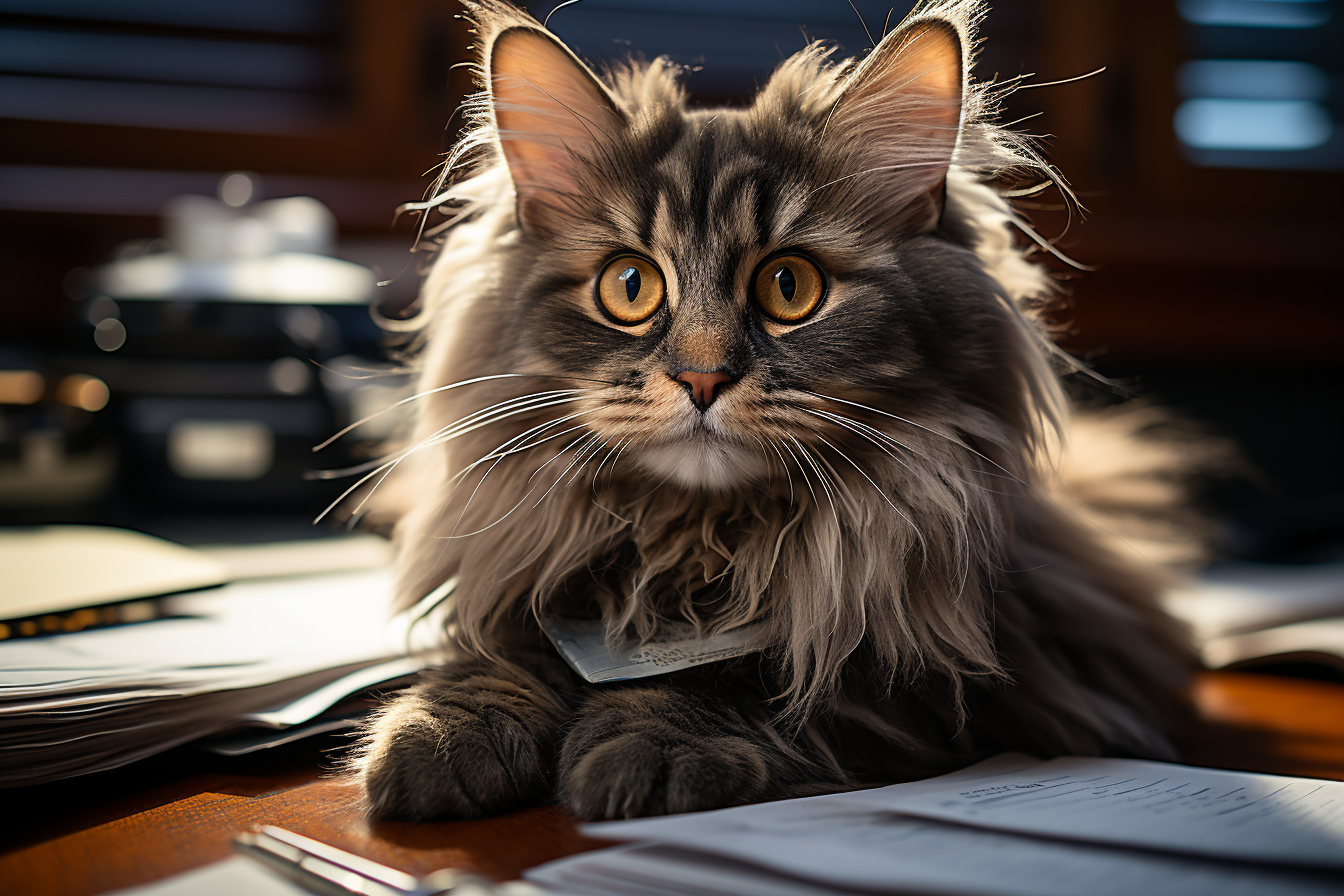
As your cat gets older, its nutritional needs begin to change. Feeding a senior cat properly is not just a matter of keeping up a routine; it means adapting the diet to its new needs so you can support health, comfort, and quality of life. In the sections below, you’ll find practical guidance for choosing a diet that helps an older cat stay active, well nourished, and in good shape for as long as possible.
What Is Considered a Senior Cat?
A cat is generally considered senior from around 7 to 10 years of age, depending on breed and size. At this stage of life, it becomes especially important to pay close attention to food choices, because digestion, metabolism, and activity levels often begin to slow down. Choosing a suitable senior cat food can make a real difference in maintaining overall wellbeing.
Nutritional Needs of Senior Cats
Ageing brings physical changes, and those changes call for a more carefully balanced diet. The main nutritional priorities usually include the following:
- High-quality protein: older cats still need enough protein to help preserve lean muscle mass.
- Controlled fat levels: moderate fat content is often preferable to help prevent excess weight while still providing sufficient energy.
- Hydration: water intake matters even more as cats age, especially when kidney function may become more fragile. Fresh water should always be available, and wet food can help increase fluid intake.
- Vitamins and minerals: the right balance of nutrients supports joint health and helps reinforce a immune system that may be less efficient with age.
How to Choose the Right Food
Food selection plays a central role in the health of a senior cat. Rather than relying on the same diet used in younger years, it is often better to look for formulas designed specifically for ageing cats.
Choose Age-Appropriate Formulas
Many products on the market are created to meet the needs of older cats. Look for labels such as “senior cats” or “older cats.” These foods are typically formulated with ingredients chosen to support health in later life, including easier digestion and better nutrient balance.
Adjust Portions Carefully
The amount of food should be adapted to your cat’s activity level. Because senior cats usually have a slower metabolism, it is often sensible to reduce portions by about 20% compared with their previous nutritional needs. This helps limit unnecessary weight gain while still providing enough energy.
Avoid Questionable Industrial Foods
Some commercial foods contain additives or preservatives that may not be ideal for older cats. Reading labels carefully is always worthwhile. Whenever possible, choose products with simple, recognizable ingredients and a nutritional profile suited to ageing pets.
Adding Variety to the Diet
A balanced diet is not just about selecting one type of kibble and sticking with it forever. Older cats may benefit from a little variety in texture and format, especially if appetite becomes inconsistent.
- Wet food: it is usually more appealing and can provide extra hydration.
- Small, frequent meals: several smaller servings throughout the day may be easier to digest than one or two large meals.
- Homemade meals: if you prepare food at home, the recipes must still be nutritionally complete and appropriate for your cat’s needs.
Monitoring Age-Related Health Issues
As cats grow older, they can develop health conditions that affect eating habits and nutritional requirements. Keeping an eye on these issues can help you adjust the diet more effectively.
- Dental problems: tooth and gum issues can make chewing uncomfortable. Softer food or easily digestible meals may be a better choice.
- Kidney problems: some older cats develop kidney disease, which may require dietary adjustments to reduce certain minerals.
- Overweight: weight gain is common in senior cats. Portion control and regular monitoring of physical condition are important.
How to Encourage Appetite
A senior cat may lose interest in food for several reasons, including age-related changes, health concerns, or reduced sense of smell. If your cat seems less eager to eat, a few simple adjustments may help.
- Rotate flavours and textures: changing the menu from time to time may help keep meals more appealing.
- Warm wet food slightly: gently heating food can release aromas and make it more tempting.
Why Veterinary Advice Matters
It is strongly recommended to consult a veterinarian when planning the diet of a senior cat. A veterinary professional can assess your cat’s condition, identify special needs, and help you choose suitable products. This is especially useful when your cat has weight changes, dental discomfort, kidney concerns, or a reduced appetite.
Feeding an older cat well is one of the most important ways to support comfort and vitality in later life. By paying attention to diet, hydration, portion size, and any signs of health problems, you can make everyday meals work in your cat’s favour. With consistent care and sensible adjustments, you give your senior companion the best chance of staying active and comfortable for years to come.
latest posts published

Dog Supplies: Essential Checklist Before Adoption (2026 Guide)
How to Understand Your Hamster’s Behavior

How to Feed an Unweaned Kitten –
Medium-Haired Cats: Breeds, Temperament, and Prices – Cat Breeds
When and How to Find an Emergency Veterinarian

Chocolate Labrador: This Secret Could Save Its Health

What Should I Do If My Dog Breaks a Leg?
The Modern Challenges Facing Farmers Today –

Healthy Dog: How to Spot the Key Warning Signs