
If you are looking for a truly unusual companion animal, the Lykoi cat is worth considering. Often called the “werewolf cat,” the Lykoi is a relatively new breed that has quickly attracted attention for its dramatic appearance and affectionate nature. At first glance, it may look a little eerie, but behind that wild look is a friendly, playful cat that can make a wonderful companion. Here is a closer look at the Lykoi breed, including its history, physical traits, and personality.
The Lykoi Cat: Cute and Creepy at the Same Time
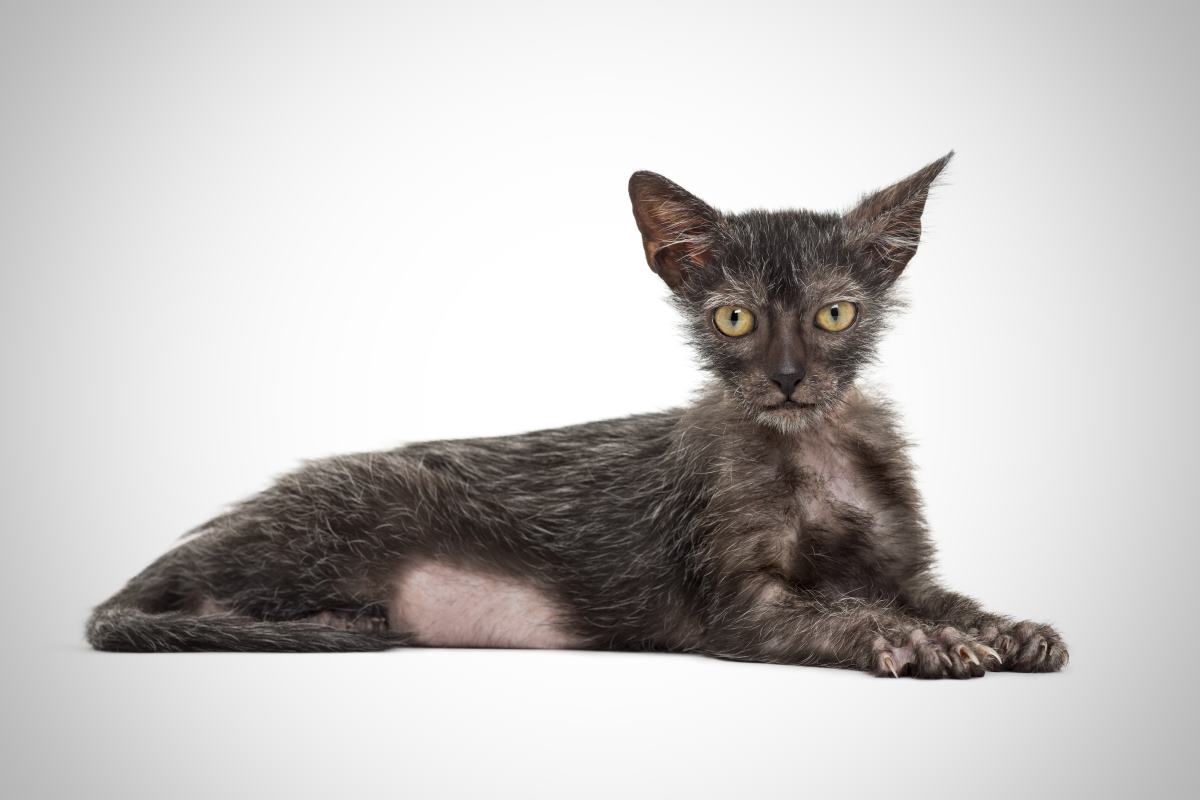
The Lykoi cat is one of those breeds that seems almost designed to stand out. With its striking black coat and intense yellow eyes, it does not look like an ordinary house cat. Yet its unusual appearance hides a very affectionate and loyal temperament. Lykois are known for bonding closely with their people, and they often enjoy curling up beside their human companions. They are also energetic and playful, always ready to chase a toy, investigate a new corner of the home, or join in a game. For people who want a pet that is both endearing and a little unconventional, the Lykoi offers an appealing mix of charm and personality.
History and Origin of the Lykoi Breed
The Lykoi is a relatively recent breed, with the first recorded litter born in 2010. It developed from domestic short-haired cats in Von Nepomuk, Tennessee, through a naturally occurring genetic mutation. In a litter of seven kittens, two were born with a rare condition that gave them their distinctive wolf-like appearance.
Those two kittens, Roca and Nuudo, were later bred with their father, which produced more kittens with the same mutation. From there, the breed was carefully developed through selective breeding. Even now, Lykois remain uncommon, with only a few hundred cats believed to exist.
Physical Characteristics of Lykoi Cats
Lykoi cats are best known for their striking and unusual appearance. Their coats can include black, gray, brown, and white tones, but the fur is only partially present, giving them a patchy, uneven look. This sparse coat comes from a mutation in the KRT71 gene and is responsible for their distinctive appearance. Their eyes are another notable feature: large, almond-shaped, and set quite far apart. They also have small, pointed ears and typically weigh between 2 and 3 kilos.
Their look can vary from cat to cat, but the overall impression is always the same: a cat that seems half-wild, half-domestic. That contrast is exactly what makes the breed so memorable. While some people are immediately drawn to the Lykoi’s unusual face and coat, others need a moment to appreciate its charm. Once they do, many find the breed surprisingly elegant and expressive.
Personality Traits of Lykoi Cats
Lykoi cats are intelligent, active animals that enjoy playtime and human interaction. They are naturally curious and like to explore their surroundings, often paying close attention to everything happening around them. They also tend to be affectionate and can form strong bonds with the people in their home.
Because they are still relatively rare, Lykois can be expensive. Even so, many people feel the breed’s unique appearance and engaging personality make it well worth the investment. If you are looking for a cat that stands out from the crowd while still offering the warmth and companionship many cat lovers want, the Lykoi can be a compelling choice.
Final Thoughts and Opinion
If you are drawn to unusual pets, the Lykoi cat may be the right fit for you. These distinctive felines are partially hairless because of a genetic mutation, and they also have almond-shaped eyes and small pointed ears that add to their striking look. Beyond their appearance, they are smart, active cats that enjoy interacting with their human companions.
Anyone interested in adding a Lykoi to the family should be prepared for a higher price, since the breed remains rare. But for those who want a companion with an exotic look and an affectionate nature, the Lykoi can be a truly rewarding choice.
latest posts published

Death and Inheritance Rights: Who Inherits Your Pet? What You Need to Know

Senior Dog Kibble: At What Age Should You Switch?

Which Dog Breeds Don’t Shed Hair?

Bringing Your Dog or Cat to the Casino: Is It Really Possible?

What Are the Most Beautiful Cat Breeds?

Why Does My Dog Close Its Eyes When I Pet Its Head?
How to Clean Your Cat’s Ears Without Stress

Sterilizing My Cat: The Real Pros and Cons

Is a Croissant Safe for Your Dog?