
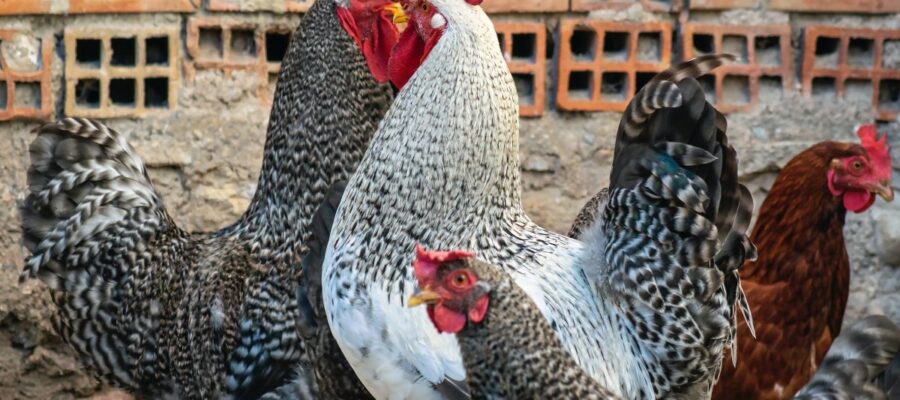
Some months ago, I watched a fascinating scene in my neighbor Marie’s chicken coop. Her rooster, Napoléon, strutted proudly around his three hens, offering them the grains he had found and keeping them safe from a stray cat. Yet at other moments, he could be downright bossy, blocking access to certain areas and acting like he owned the place. That made me wonder: do hens and roosters truly live in harmony, or are their relationships more complicated than they first appear?
If you are thinking about keeping hens with a rooster, or if you are simply curious about what really happens in a backyard flock, this article explores the sometimes surprising social life of poultry.
Roosters: protectors and family leaders
In the wild and in the backyard, the rooster plays a central role in the group. He is not there only for reproduction. He is also a watchful guardian, constantly scanning the surroundings and ready to sound the alarm at the first sign of danger.
I have seen this protective behavior up close with Réglisse, the rooster belonging to my friend Sylvie. When a bird of prey circles overhead, he gives his sharp warning call and guides the hens toward shelter. He also lets them have the best bits of food, scratching at the ground to uncover worms and other treats for them.
This protective relationship usually creates a calmer atmosphere in the coop. The hens feel safe and can get on with their daily routines: scratching, pecking, dust bathing, and resting without too much stress.
Did you know? A rooster can recognize up to 100 different individuals and adjust his behavior according to the hierarchy already established within the group.
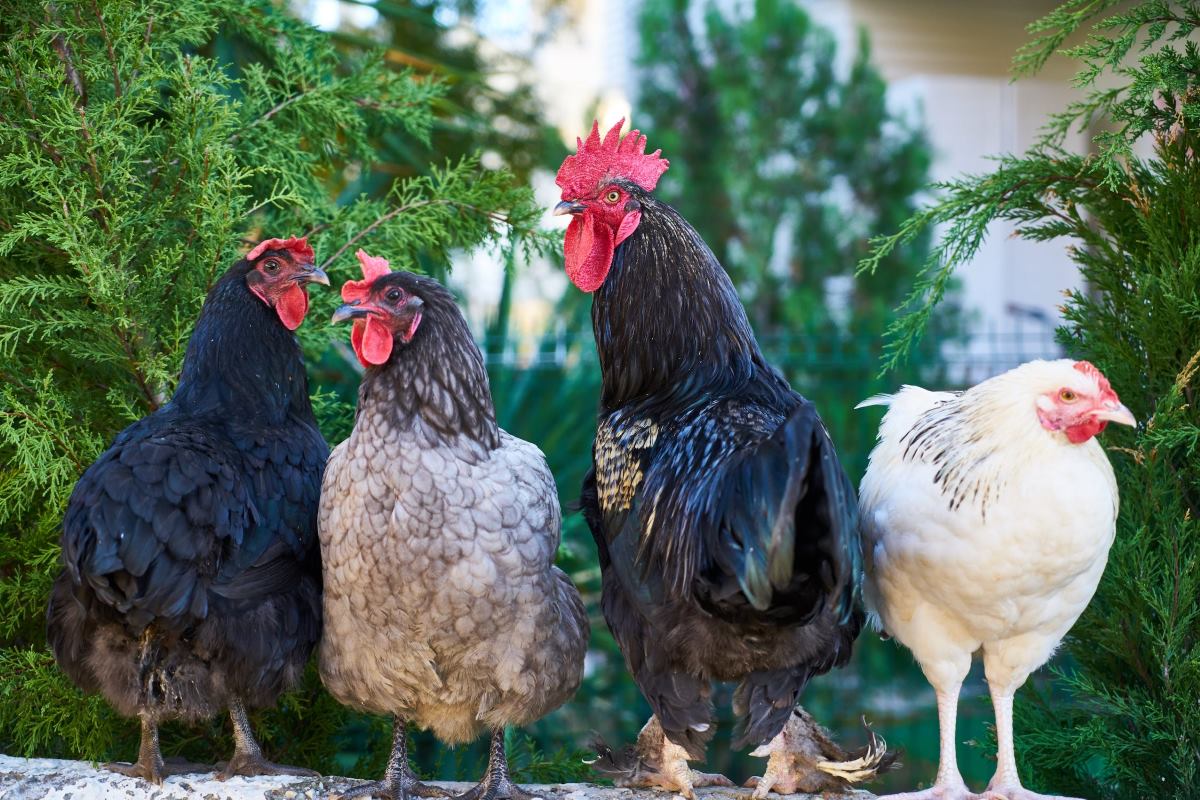
When cohabitation becomes difficult
Unfortunately, not every rooster is a gentleman. Some are highly dominant, constantly harassing the hens or preventing them from reaching food and nesting boxes.
Marie told me about the difficulties she had with her previous rooster, César, whose behavior stressed the hens so much that they stopped laying. Signs of poor compatibility are usually easy to spot: hens hiding away, feathers missing from the back, fearful behavior, and a drop in egg production.
The rooster’s age also affects the dynamic. Young roosters, full of hormones, can be more aggressive and less tactful than older, more experienced birds.
The keys to harmony in the coop
Several factors help promote peaceful coexistence. Space is essential: a coop that is too small will quickly increase tension. As a general guide, allow at least 1 m² per hen inside the shelter and 10 m² per hen in the outdoor run.
The ratio between roosters and hens also matters. One rooster for 6 to 10 hens is generally considered an ideal balance. With fewer hens, they may be overworked or overmounted; with too many, the rooster may become stressed because he cannot properly supervise the whole flock.
Introducing new birds should be done gradually. I learned this the hard way when I added two new hens straight into my neighbor’s group: the fighting lasted for weeks before the hierarchy settled again.
“A harmonious coop is like a family: it takes respect, space, and a great deal of patience for everyone to find their place.”
Can you keep hens without a rooster?
Contrary to a common belief, hens do not need a rooster in order to lay eggs. They produce eggs naturally, roughly one a day depending on breed and age.
Many backyard keepers even choose to keep only hens in order to avoid the downsides: no morning crowing, no risk of aggression, and generally calmer relationships among the birds.
That said, a group of hens kept on their own still develops its own hierarchy, with one dominant hen taking on some of the rooster’s roles, such as watching for danger and maintaining order within the group.
How to recognize signs of well-being
When hens and a rooster get along, it shows. The hens move freely around the run, accept the rooster’s presence without panic or visible stress, and keep bright, complete plumage while continuing to lay regularly.
The rooster, meanwhile, appears proud but not aggressive. He leads the group without violence, shares food, and stays alert without becoming frantic.
Social interactions remain smooth: mutual preening, group foraging, and resting side by side. These natural behaviors are good signs of a healthy social balance.
Creating the conditions for a happy flock
To maximize the chances of harmony, provide a spacious habitat with several water and feeding stations so competition stays low. Include hiding places and perches at different heights so every hen can find her place in the group.
A balanced diet also helps reduce tension. Well-fed hens are less likely to quarrel and tend to remain more even-tempered.
Routine is just as important. Regular opening and closing times for the coop, feeding at consistent hours, and weekly cleaning of the housing all contribute to a calmer environment.
So, do hens and roosters get along? The answer depends largely on you, the space you give them, and the care you take in shaping your little flock. With the right conditions, these birds can form a fascinating community where everyone has a role to play. And you—have you noticed any surprising interactions in your coop? Share your stories, because poultry personalities are often more interesting than people expect.
latest posts published
Pregnant Dog: How to Prepare for the Arrival of the Puppies?
Death and Inheritance Rights: Who Inherits Your Pet? What You Need to Know

Senior Dog Kibble: At What Age Should You Switch?

Which Dog Breeds Don’t Shed Hair?

Bringing Your Dog or Cat to the Casino: Is It Really Possible?

What Are the Most Beautiful Cat Breeds?

Why Does My Dog Close Its Eyes When I Pet Its Head?
How to Clean Your Cat’s Ears Without Stress

Sterilizing My Cat: The Real Pros and Cons