
Chinchillas are charming, highly distinctive pets that have become increasingly popular in many homes. If you already keep chinchillas, or you are thinking about breeding them, it helps to understand how their reproduction works, how many babies they can have, and what kind of care is needed before, during, and after birth.
Breeding chinchillas is not something to approach casually. Their gestation is relatively long for such a small animal, and both the mother and the kits need careful monitoring. Chinchillas usually reach sexual maturity between 6 and 7 months, but it is recommended to wait until males are at least 8 months old and females are 8 to 9 months old before pairing them.
Once chinchillas are ready to breed, females may produce several litters a year. It may surprise you to learn that a female can give birth to as many as five babies in one litter. That is a large number for such a small species and one of the reasons responsible breeding requires planning and close attention.
Pregnancy in chinchillas lasts about 111 days, which is a little more than three months. During that time, the female should be watched closely for any sign of trouble. Birth usually happens at night and typically lasts around four hours. After delivery, the mother will care for her babies and nurse them until they are weaned.
These are some of the key facts to know before considering chinchilla breeding. It is always worth learning as much as possible in advance so that the animals receive the care they need at every stage.
- Female chinchillas can have several litters per year.
- Gestation lasts about 111 days.
- A litter can include up to five babies.
- Birth usually takes place at night and lasts around four hours.
- Young chinchillas need proper care and should be separated from their parents once they are weaned.
Maturity and reproductive cycle
Chinchillas become sexually mature at different stages depending on their sex. Males generally reach maturity between 6 and 7 months, while females usually do so between 8 and 9 months. Individual development can vary slightly, and factors such as diet, exercise, and living conditions may influence the timing.
After reaching maturity, chinchillas can usually reproduce until they are around 10 years old. Even so, age alone should not determine whether breeding is appropriate. The animal’s overall health, body condition, and the risks linked to pregnancy must also be considered carefully.
The reproductive cycle is also influenced by season. Females can become fertile every 30 to 50 days, but the main breeding period generally runs from November to May. During that time, breeders may notice hormonal changes. The perineal area may change colour, and translucent discharge may appear from the vagina, both of which can indicate that the female is in her breeding phase.
During this period, close observation is important. Responsible breeding means providing an appropriate environment for mating, monitoring the pregnancy, and preparing for a safe birth for both the mother and her young.
Pregnancy and birth
Pregnancy in chinchillas lasts about 111 days. Over that period, the female may show several physical changes. Breeders can notice a mating plug, development of the nipples, and weight gain after roughly 60 days of gestation. From about the third month of pregnancy, it is sometimes possible to feel the foetuses moving by gently palpating the female’s abdomen.
Birth usually takes place at night and lasts around four hours. The female eats the placenta and may also consume stillborn young. Another important point is that the mother becomes fertile again very soon after giving birth. The postpartum oestrus period lasts around five days, so the male should not be placed back with her immediately after delivery. Doing so could lead to another pregnancy before the female has fully recovered.
Pregnancy in chinchillas lasts about 111 days. During this time, the female goes through several physical changes, and her health should be monitored closely.
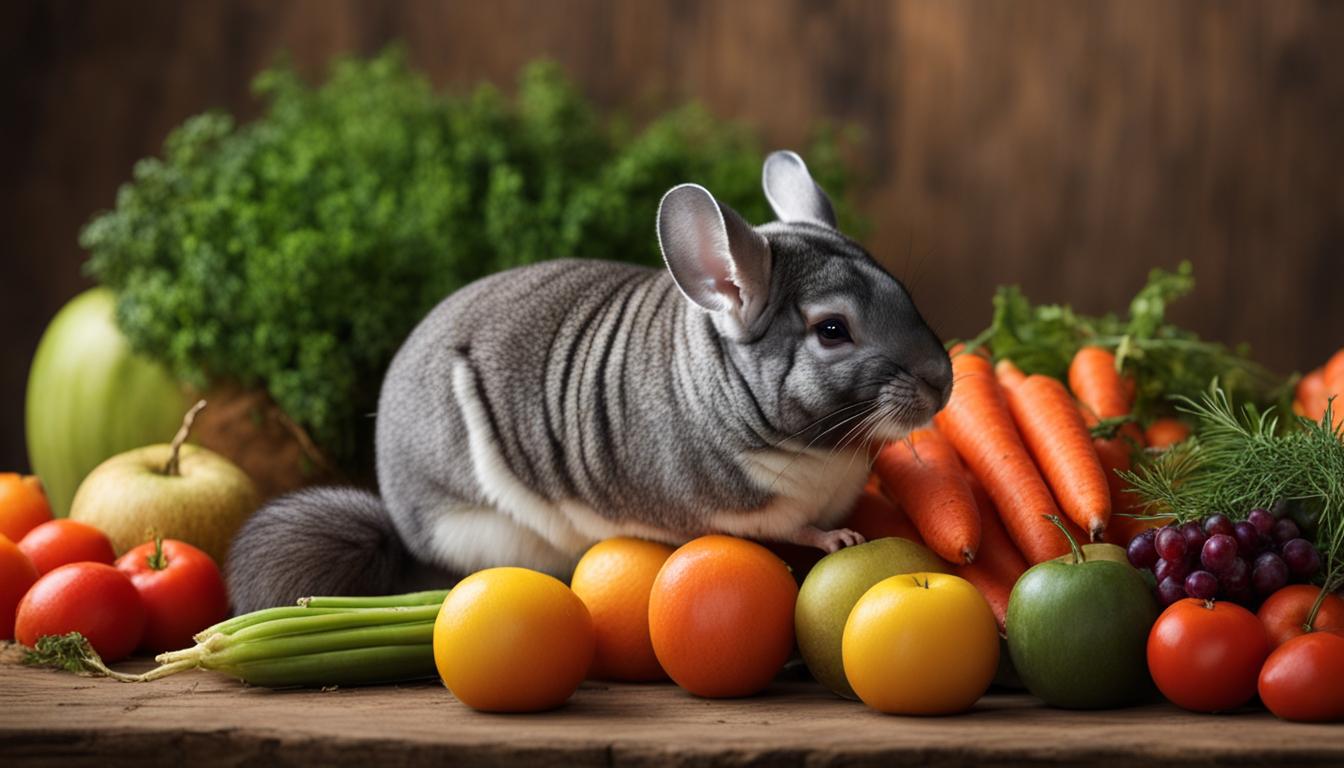
Physical changes in the female during pregnancy
Good nutrition is essential throughout pregnancy. The female should receive a balanced, high-quality diet that supports the healthy development of the foetuses. Regular veterinary follow-up is also recommended so that the mother and the unborn babies can be checked properly. Careful observation during pregnancy makes it easier to spot any unusual changes early and respond quickly if support is needed.
Caring for baby chinchillas
Baby chinchillas are born fully furred and with their eyes open. They can move shortly after birth and begin nibbling solid food as early as 10 days old. During nursing, it is important to make sure they are gaining weight steadily.
Between 3 and 6 weeks, the young will be weaned, and at that point they should be separated from their parents. Breeding should not be multiplied too often, as repeated litters can contribute to overcrowding. Where possible, it is better to place the babies in suitable homes rather than continuing to expand the number of animals without a clear plan.
Young chinchillas need a diet that is balanced and suited to their age. Fresh water must always be available, and their food should be rich in fibre and essential nutrients. This is especially important during growth, when their bodies are developing quickly and their digestive system remains sensitive.
Sterilisation may also be considered to help avoid problems linked to inbreeding. From the moment they are born, the quality of care they receive has a direct impact on their long-term health and welfare.
FAQ
How many babies can a chinchilla have in one litter?
Chinchillas can give birth to as many as five babies in a single litter.
At what age do chinchillas become sexually mature?
Males usually reach sexual maturity between 6 and 7 months, while females typically do so between 8 and 9 months.
What is the breeding season for chinchillas?
Chinchillas can be fertile every 30 to 50 days, and the main breeding season runs from November to May.
How long is a chinchilla’s gestation period?
Pregnancy in chinchillas lasts about 111 days.
What are the signs that a female chinchilla is pregnant?
Signs of pregnancy can include a mating plug, nipple development, and weight gain.
What happens during chinchilla birth?
Birth usually takes place at night and lasts around four hours. The female eats the placenta and may also consume stillborn babies.
At what age can baby chinchillas move around and eat solid food?
Baby chinchillas can move from birth and begin eating solid food at around 10 days old.
When should young chinchillas be separated from their parents?
Young chinchillas are usually weaned between 3 and 6 weeks, and they should be separated from their parents at that stage.
Should chinchilla litters be multiplied frequently?
No. It is better not to breed chinchillas too often and to look for suitable homes for the babies to avoid overcrowding.
Can chinchillas be sterilised?
Yes, chinchillas can be sterilised to help prevent problems related to inbreeding.
latest posts published

Death and Inheritance Rights: Who Inherits Your Pet? What You Need to Know

Senior Dog Kibble: At What Age Should You Switch?

Which Dog Breeds Don’t Shed Hair?

Bringing Your Dog or Cat to the Casino: Is It Really Possible?

What Are the Most Beautiful Cat Breeds?

Why Does My Dog Close Its Eyes When I Pet Its Head?

How to Clean Your Cat’s Ears Without Stress

Sterilizing My Cat: The Real Pros and Cons

Is a Croissant Safe for Your Dog?