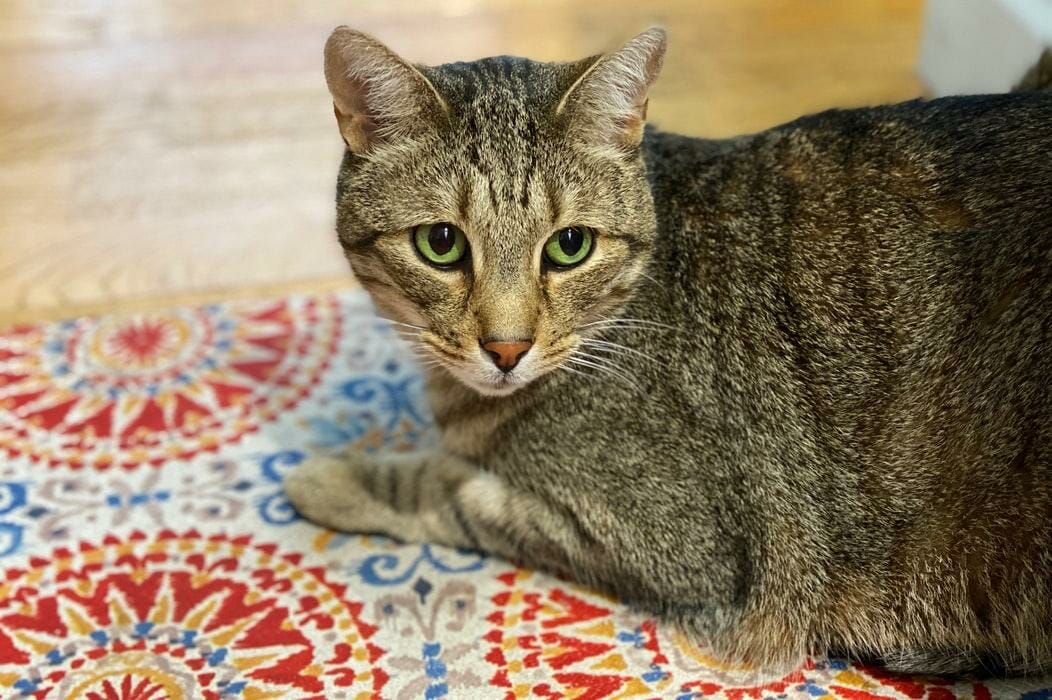

Yesterday morning, Paillette — my sweet little tortoiseshell, usually affectionate and calm — suddenly launched herself at me with her claws out. Five red scratches on my forearm and a badly bruised heart later, I was left wondering how my ball of fluff could turn into such a little fury.
If something similar has happened to you, take a breath. This kind of behaviour often hides an urgent message your cat has no other way of expressing. Learning to understand sudden aggression is the key to restoring trust, and to preventing the next painful surprise.
So what is really going on in your cat’s mind when those claws come out? Let’s unpack the mystery step by step.
When claws speak louder than words
A cat that attacks its owner is never doing it for no reason. Unlike dogs, which often growl or bark before escalating, cats can go from purring to striking in a split second. That speed can make the reaction look excessive, but it usually points to deeper discomfort.
Feline aggression often follows the same pattern: stress builds up, warning signs are missed, and then the cat reaches a breaking point. In other words, your cat is not “punishing” you. It is showing distress in the only way it knows how.
The four hidden triggers behind feline aggression
1. Pain that stays hidden
Paillette had developed a silent ear infection. The head touches she normally enjoyed had become unbearable for her. A cat in pain can become unpredictable, especially when the pain is localised and touched by accident.
Signs to watch for: changes in posture, avoiding contact, and unusual vocalisation during handling.
2. A threatened territory
A new scent, a piece of furniture, or even a grocery bag can be enough to trigger a defensive reaction. Your cat may see these changes as an intrusion into a space it considers safe.
Cats are creatures of habit. Their sense of security depends heavily on familiar smells, predictable routines, and the feeling that their territory belongs to them. When that balance is disturbed, a defensive swipe may be less about hostility and more about fear.
3. Overexcitement during play
That familiar “evening craziness” can quickly go too far. An overstimulated cat can lose its bearings and mistake your hand for prey. Dilated pupils and a tail flicking sharply from side to side are warning signs that the interaction should stop before it escalates.
This is one of the easiest situations to misunderstand, because the cat may have been playful a second earlier. But for many cats, excitement has a very short fuse. What begins as play can become overstimulation almost instantly.
4. Chronic stress building up over time
Works at home, a move, a change in schedule, new people in the house: cats absorb stress more than many people realise. They often keep it inside until they reach their limit. At that point, aggression becomes a release valve rather than a random act.
When stress has been building for days or weeks, the cat may seem to “snap” without warning. In reality, there were usually signs along the way — subtle changes in appetite, hiding more often, restlessness, or a sharper reaction to touch.

My tested method for calming the situation
After the incident with Paillette, I used a simple approach that worked well:
Immediately: I moved away without shouting, which was not easy in the moment, and left Paillette alone for 10 minutes. No eye contact, no scolding, no attempt to “fix” things on the spot.
Within the hour: I checked quietly for any signs of pain or illness. If the behaviour continues, a veterinary appointment is essential.
In the days that follow: I returned to interaction gradually, letting Paillette come to me first. Never the other way around.
Did you know? A cat that has just acted aggressively may keep its ears pinned back for several minutes afterwards. It is a kind of emotional recovery time — and it should be respected.
How I rebuilt Paillette’s trust
It took three weeks to fully make peace again, but it was worth it. Here is what helped most:
A calm environment: I used a pheromone diffuser, kept the atmosphere quiet, and stuck to an unwavering routine for meals and bedtime.
Preventive rewards: Whenever Paillette stayed calm near me, I offered a small treat. No dramatic praise, no forced cuddles — just a quiet positive association.
Careful observation: I learned to read her signals properly. A slightly trembling tail meant it was time to stop petting right away.
What matters most is consistency. Cats do not usually rebuild trust through grand gestures; they do it through repeated experiences that feel safe, predictable, and non-threatening. The more controlled and respectful the environment, the easier it becomes for them to relax again.
What to do if your cat suddenly becomes aggressive
If your own cat has scratched or bitten you unexpectedly, the first priority is to stay safe and avoid escalating the situation. Do not chase the cat, pick it up, or try to force contact. Give it space, then observe what happened before the attack.
It can help to ask a few simple questions:
- Was the cat being touched in a sensitive area?
- Did anything change in the home recently?
- Was the cat playing too roughly or showing signs of stress beforehand?
- Has there been any change in appetite, grooming, mobility, or litter box habits?
If the aggression is new, repeated, or out of character, a vet check is the safest next step. Behavioural changes can sometimes be linked to pain or illness even when there are no obvious physical signs.
Once medical causes are ruled out, the focus can shift to routine, environment, and interaction style. Cats often do better when they have quiet spaces to retreat to, predictable feeding times, and a way to end interactions before they become overwhelming.
How to prevent future incidents
Prevention is usually about learning your cat’s personal threshold. Some cats dislike being stroked for long periods. Others hate being touched when they are resting. A few are sensitive to noise, visitors, or changes in scent. The key is not to assume that one cat’s comfort zone is the same as another’s.
These habits can make a real difference:
- Stop petting at the first sign of tension.
- Keep playtime active but controlled, using toys instead of hands.
- Preserve routines whenever possible.
- Offer hiding places and quiet resting zones.
- Watch for early warning signs such as tail twitching, flattened ears, or a sudden desire to move away.
Small adjustments often do more than punishment ever could. A cat that feels understood is less likely to reach the point of defensive aggression.
And now it is your turn
Today, Paillette is purring on my lap as I write these lines. Her ear infection is gone, and her usual sweetness has returned. The whole experience taught me that behind every scratch there may be a cat asking for help in the only language it has.
As my vet says: “An aggressive cat is rarely a bad cat; more often, it is a misunderstood one.”
If your cat has ever surprised you with an unexpected reaction, take it seriously — but also take it as information. Cats communicate constantly through posture, movement, and behaviour. Once you learn to read those signals, you are no longer guessing. You are responding.
Understanding that difference can transform the relationship. What first looks like betrayal may actually be a warning, a protest, or a cry for comfort. And when that message is heard, trust has a much better chance of coming back.
latest posts published

Death and Inheritance Rights: Who Inherits Your Pet? What You Need to Know

Senior Dog Kibble: At What Age Should You Switch?

Which Dog Breeds Don’t Shed Hair?

Bringing Your Dog or Cat to the Casino: Is It Really Possible?

What Are the Most Beautiful Cat Breeds?

Why Does My Dog Close Its Eyes When I Pet Its Head?
How to Clean Your Cat’s Ears Without Stress

Sterilizing My Cat: The Real Pros and Cons

Is a Croissant Safe for Your Dog?