
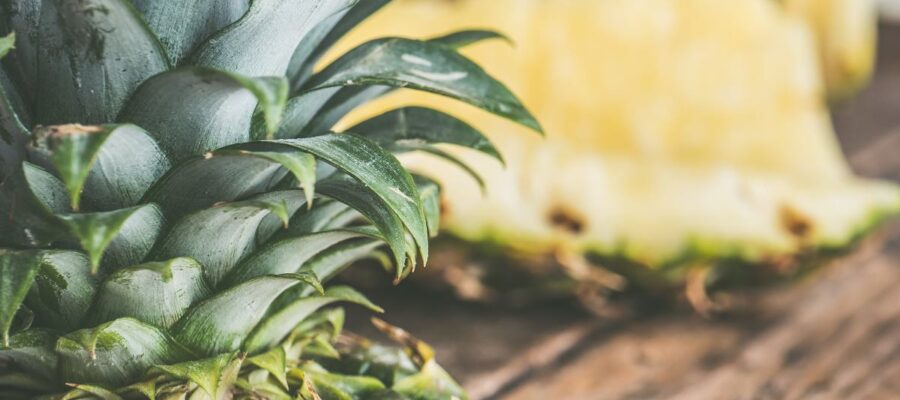
Feeding dogs properly is an important part of responsible pet care. As a dog owner, you naturally want to know which fruits and vegetables are safe to offer and which should be avoided. Pineapple often raises questions because it is sweet, tropical, and packed with nutrients, but it is not always obvious whether it is suitable for dogs. So, can dogs eat pineapple?
The short answer is yes, dogs can eat pineapple, but only in moderation and with a few important precautions. To understand why, it helps to look at the potential benefits, the possible risks, the right portion sizes, and the best way to serve it.
Health benefits of pineapple for dogs
Pineapple is a fruit rich in vitamins, minerals, and fiber. In small amounts, it can offer some useful nutritional support for dogs, especially in relation to the immune system and digestion.
Supporting the immune system
One of pineapple’s best-known nutrients is vitamin C. This vitamin plays an important role in immune function. Dogs are able to produce vitamin C on their own, but additional dietary sources can still be helpful in certain situations, particularly when a dog is under stress or recovering from illness. While pineapple should never be treated as a substitute for proper veterinary care or a balanced diet, it can be a small, healthy extra when served appropriately.
Helping digestion
Pineapple also contains enzymes that can aid digestion, especially bromelain. This enzyme helps break down proteins, which may support the digestive process and make food easier to process. The fiber naturally present in pineapple can also contribute to regular bowel movements and overall digestive comfort. For some dogs, a small piece of pineapple may be a pleasant and beneficial treat, but too much can quickly have the opposite effect.
Possible problems linked to pineapple consumption
Even though pineapple has nutritional value, it is not risk-free. Some dogs may react poorly to it, especially if they eat too much or if they have a sensitive stomach. The most common issues are allergies and gastrointestinal problems.
Allergic reactions
Just like humans, dogs can develop food allergies or sensitivities. In the case of pineapple, symptoms may include itching, skin irritation, rashes, or even breathing difficulties in more serious cases. If your dog shows any unusual reaction after eating pineapple, stop giving it immediately and contact a veterinarian as soon as possible. Any signs of swelling, repeated vomiting, or trouble breathing should be treated as urgent.
Digestive upset
Too much pineapple, or feeding it too often, can lead to diarrhea, vomiting, or general stomach discomfort. This is mainly due to its natural sugar content and fiber, which may be hard for some dogs to tolerate in larger amounts. Dogs with sensitive digestion are especially likely to react poorly, so it is best to begin with a very small portion and observe how they respond before offering it again.
Recommended amounts and precautions
If you want to share pineapple with your dog, the key is to keep it occasional and portion-controlled. Pineapple should be treated as a treat, not a regular part of the diet. It should never replace complete dog food, which is formulated to provide the nutrients dogs need every day.
How much pineapple can a dog eat?
A small dog should only receive a small amount, such as about a tablespoon of pineapple cut into tiny pieces. Medium and large dogs can have a little more, roughly between a tablespoon and 1/4 cup, depending on their size, tolerance, and general diet. Even for larger dogs, this should remain an occasional snack rather than a frequent habit.
It is always wise to start with a very small amount the first time. That makes it easier to see whether your dog enjoys pineapple and whether it agrees with their digestive system. If your dog experiences loose stools or discomfort, it is best to stop offering it.
Precautions to follow
- Remove the skin and the core before giving pineapple to your dog. These parts are hard to digest and may also create a choking hazard or intestinal blockage.
- Offer fresh pineapple rather than canned pineapple. Canned fruit often contains added sugar or syrup, which is not healthy for dogs.
- Cut the fruit into small pieces to make it easier and safer to eat, especially for small dogs.
- Never give your dog pineapple in large amounts, even if they seem to like it. Moderation is essential because pineapple is naturally sweet.
It is also worth remembering that every dog is different. Age, size, digestive sensitivity, and overall health all affect how well a dog tolerates new foods. If your dog has diabetes, frequent digestive issues, or a special diet prescribed by a veterinarian, it is best to ask for professional advice before offering pineapple or any other new food.
So, can dogs eat pineapple?
Yes, dogs can eat pineapple, but only as an occasional treat and only in small amounts. Pineapple can offer some benefits thanks to its vitamins, fiber, and digestive enzymes, yet it can also cause problems if it is given too often or in excessive quantities. The safest approach is to serve fresh pineapple in small, peeled pieces, with the core removed, and to watch your dog closely the first time you offer it.
In other words, pineapple can be a safe and enjoyable snack for many dogs, but it should always be handled with care. When in doubt, keeping portions small and occasional is the best way to protect your dog’s health while still allowing a little variety in their diet.
latest posts published

Pregnant Dog: How to Prepare for the Arrival of the Puppies?

Death and Inheritance Rights: Who Inherits Your Pet? What You Need to Know
Senior Dog Kibble: At What Age Should You Switch?

Which Dog Breeds Don’t Shed Hair?

Bringing Your Dog or Cat to the Casino: Is It Really Possible?

What Are the Most Beautiful Cat Breeds?

Why Does My Dog Close Its Eyes When I Pet Its Head?

How to Clean Your Cat’s Ears Without Stress

Sterilizing My Cat: The Real Pros and Cons