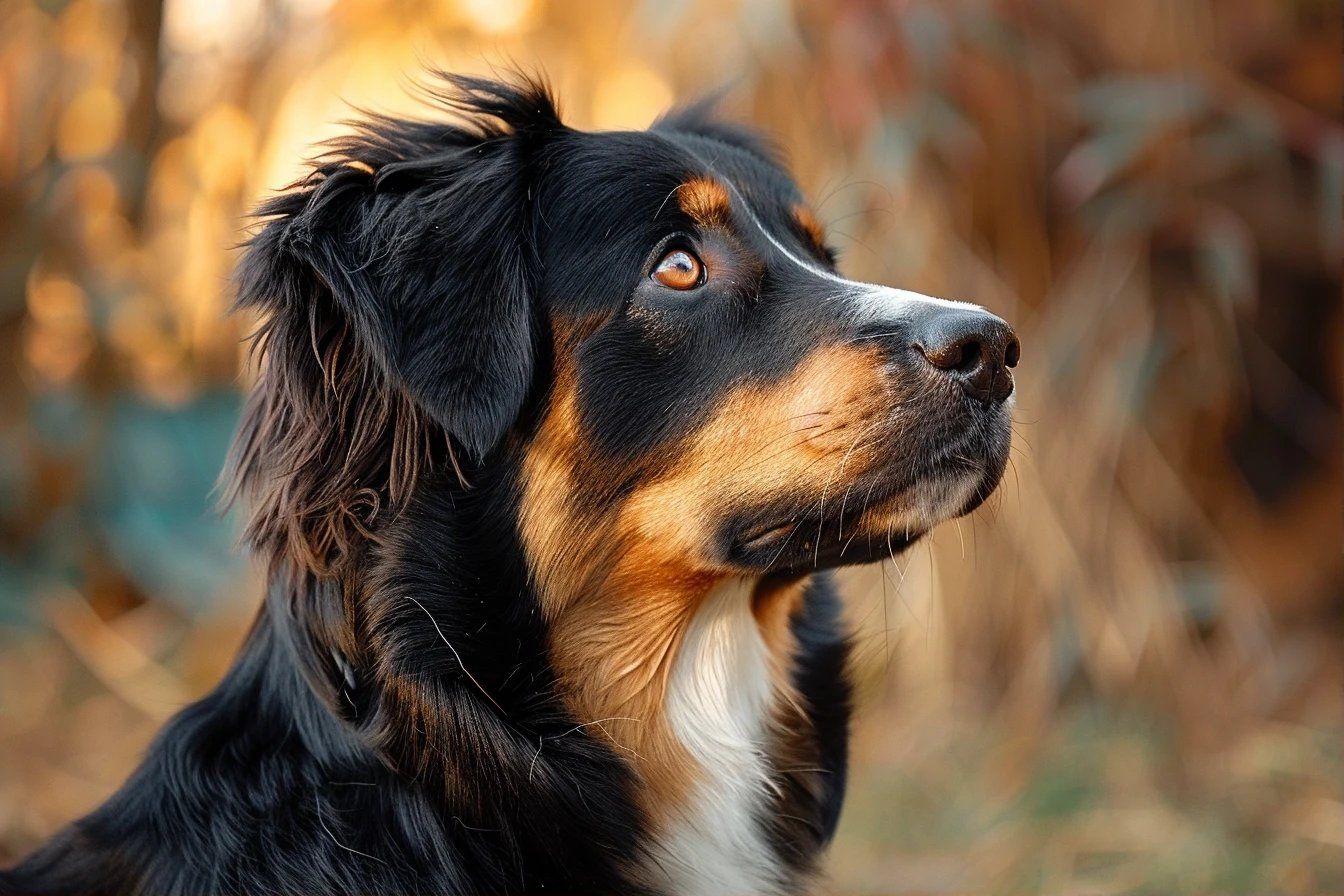
That black nose nudging your arm at 6 a.m., those pleading eyes asking for a walk before you’ve even had coffee… I fell in love the moment I met Bella, my Bernese Mountain Dog–Labrador mix. What I didn’t realise at first was how much this crossbreed would reshape my daily routine.
If you’re looking for the ideal companion, a dog that is both affectionate and energetic, this mix between the Swiss gentle giant and the Canadian water-loving retriever may be exactly what you need. But there are a few surprises people don’t always mention.
Here’s why this crossbreed stands out, and what genuinely caught me off guard.
Temperament: the best of both breeds
You probably know the Labrador’s famous friendliness. Now imagine that combined with the Bernese Mountain Dog’s calm patience. The result is a dog that adores children, fits beautifully into family life, and can also make you feel protected without being overbearing.
Bella has the Lab’s quick intelligence, which helps her learn fast, but she also has the steady, composed nature that people often associate with the Bernese. When my four-year-old nephew tugs at her ears, she simply tolerates it with remarkable patience. Yet if a stranger approaches too closely, her protective instinct quietly kicks in.
What surprised me most? This mix often keeps the Labrador’s need for closeness, but in a more relaxed, less frantic way. You get companionship without constant chaos—just a calm, reassuring presence at your side.
Appearance: irresistibly charming, but not small
Let’s be honest: this is not the right dog for a tiny apartment with no room to move. Adult Bernese Mountain Dog–Labrador mixes often weigh between 30 and 40 kg, so they need space to stretch out, play, and feel comfortable.
The coat can vary a lot from one dog to another. Bella inherited the Bernese tricolour pattern, softened by the shorter texture more typical of a Lab. The result is beautiful, but it comes with a very practical downside: shedding. A lot of shedding. All year round. My vacuum cleaner and I have become very close friends.
Still, there is something incredibly comforting about that soft coat after a hard day. It is one of those details that turns a dog into a true source of comfort.
Personal tip: Invest in a good deshedding brush early on. You’ll thank yourself later when you see how much loose fur it removes.
Exercise needs: more balanced than many people expect
Despite their size, these dogs do not necessarily need to run for miles every day. A solid one-hour walk, a few games of fetch, and they are usually content. Bella loves swimming, which is no surprise given her Labrador side, but she also enjoys long naps, which feels very much like her Bernese side showing through.
The key is variety. One day a swim, another day a hike, another day some active play in the garden. That mix of stimulation suits a dog that is curious but naturally steady. Too little activity can leave them bored, but you do not need to turn every day into a sporting event.
Health: a few important points to watch
Crossbreeds often benefit from a broader genetic background than purebred dogs, but that does not mean they are free from health concerns. Hip dysplasia is one issue to keep an eye on, since it can affect both parent breeds. Eye problems may also appear.
My veterinarian recommends a thorough annual check-up starting at age five. Bella is now seven and still in great shape, but I remain careful about her weight. These dogs can gain extra kilos more easily than you might expect, especially if treats and cuddles outweigh exercise.
Key figure: The life expectancy of this crossbreed is generally between 10 and 12 years, which is slightly longer than that of a pure Bernese Mountain Dog, often estimated at 8 to 10 years.
Of course, every dog is different, and good nutrition, regular exercise, and routine veterinary care can make a meaningful difference. Because of their size, maintaining a healthy weight is especially important: extra pressure on the joints can quickly become a problem later in life.
Training: easier than you might think
If you are worried that a large dog will be difficult to train, this mix may pleasantly surprise you. The Labrador’s eagerness to please, paired with the Bernese Mountain Dog’s cooperative nature, usually makes training relatively smooth.
Bella was house-trained in three weeks and learned the basic commands within a month. The formula was simple: consistency, patience, and rewards. These dogs respond very well to praise and tend to thrive when they understand what is expected of them.
The main challenge is not intelligence, but strength. Teaching a large, enthusiastic dog to walk calmly on a leash takes patience, especially when something exciting appears in the distance—like a cat, another dog, or a squirrel.
Training habits that work well
- Keep sessions short and regular.
- Use positive reinforcement instead of harsh corrections.
- Start leash training early, before the dog reaches full size.
- Socialise carefully with people, children, and other animals.
- Stay consistent with rules, especially around jumping and pulling.
Is this the right dog for your home?
A Bernese Mountain Dog–Labrador mix can be an excellent family companion, but only if its needs fit your lifestyle. This is a dog that wants time, attention, and room to move. It is happiest when included in everyday life rather than left alone for long stretches.
If you have space, time for exercise, and the patience to maintain grooming and training, the reward can be extraordinary. You get a dog that is affectionate without being overwhelming, alert without being nervous, and playful without being uncontrollable.
Bella taught me that happiness can be as simple as a knowing look first thing in the morning and a cold nose asking for affection. Sometimes, the right dog does not just join your life—it gently changes it. If you are ready for that kind of companionship, this crossbreed may be exactly the four-legged friend you have been hoping for.
latest posts published
Pregnant Dog: How to Prepare for the Arrival of the Puppies?
Death and Inheritance Rights: Who Inherits Your Pet? What You Need to Know
Senior Dog Kibble: At What Age Should You Switch?

Which Dog Breeds Don’t Shed Hair?

Bringing Your Dog or Cat to the Casino: Is It Really Possible?

What Are the Most Beautiful Cat Breeds?

Why Does My Dog Close Its Eyes When I Pet Its Head?
How to Clean Your Cat’s Ears Without Stress

Sterilizing My Cat: The Real Pros and Cons