
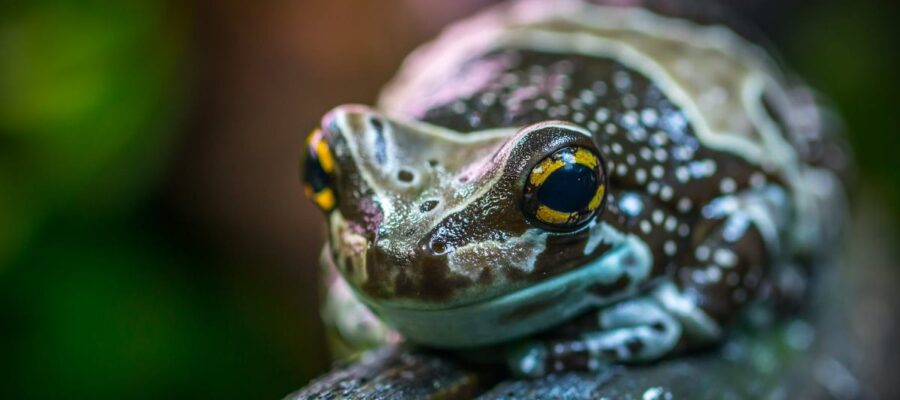
Whether you are a budding herpetologist or simply someone who thinks frogs make fascinating pets, you may be considering keeping one in a terrarium. Before bringing one home, however, it is worth understanding what a healthy setup requires. Frogs are not difficult animals to admire, but they do need a carefully arranged environment, consistent daily care, and the right species for your level of experience. With the right preparation, a terrarium can provide a safe, stable home where a frog can thrive.
Terrarium Tips
When setting up a terrarium for frogs, a few basic principles matter more than anything else. The first is size. Your enclosure should be large enough for the number and size of frogs you plan to keep. A practical rule of thumb is 10 gallons per frog, though larger enclosures are often easier to manage because they make it simpler to create distinct areas for rest, feeding, and movement.
The second priority is structure. A frog terrarium should include both land and water areas. Frogs need places to climb, hide, and feel secure, but they also need access to water for bathing and, depending on the species, soaking or swimming. A well-designed enclosure gives the animal options rather than forcing it to remain in one type of space.
Ventilation is equally important. The terrarium must allow air to circulate properly while still keeping the environment humid enough for the frog’s needs. At the same time, it should be escape-proof. Frogs are surprisingly good at finding weak points in an enclosure, so secure lids, tight fittings, and careful setup are essential.
Plants and decorations should also be chosen with care. Not every attractive ornament is safe for amphibians. Use only frog-safe materials and avoid anything that could injure the animal or be harmful if accidentally swallowed. Naturalistic decorations can be helpful because they create cover and make the terrarium feel more comfortable and less exposed.
Caring for Your Frog
Once the terrarium is ready, the next step is building a routine that supports your frog’s health. Feeding is one of the most important parts of daily care. Frogs are insect-eaters, so they need live food such as crickets or mealworms. The exact diet depends on the species and the size of the frog, but variety and regular feeding are usually key to keeping it in good condition.
Water quality also matters. The water area of the terrarium should be cleaned regularly to reduce the risk of harmful bacteria developing. Stagnant or dirty water can quickly become a problem, especially in a warm and humid enclosure. Regular maintenance helps prevent health issues before they start.
Humidity is another factor that should be monitored closely. Misting the terrarium every day with water helps maintain the proper moisture level. If the air is too dry, frogs can develop skin problems; if it is too wet, respiratory issues may follow. The goal is not simply to make the enclosure damp, but to create conditions that match the needs of the species you are keeping.
Frogs also need a suitable heat source. A heat lamp placed at one end of the terrarium can help establish a temperature gradient, allowing the frog to move between warmer and cooler areas as needed. This flexibility is important because amphibians rely on their environment to regulate body temperature.
Finally, regular veterinary care should not be overlooked. A veterinarian with experience in reptiles and amphibians can help monitor your frog’s condition and identify problems early. This becomes especially important if your frog shows signs of illness, such as lethargy, unusual skin changes, loss of appetite, or breathing difficulties. Prompt attention can make a significant difference.
Our Favorite Frog Species
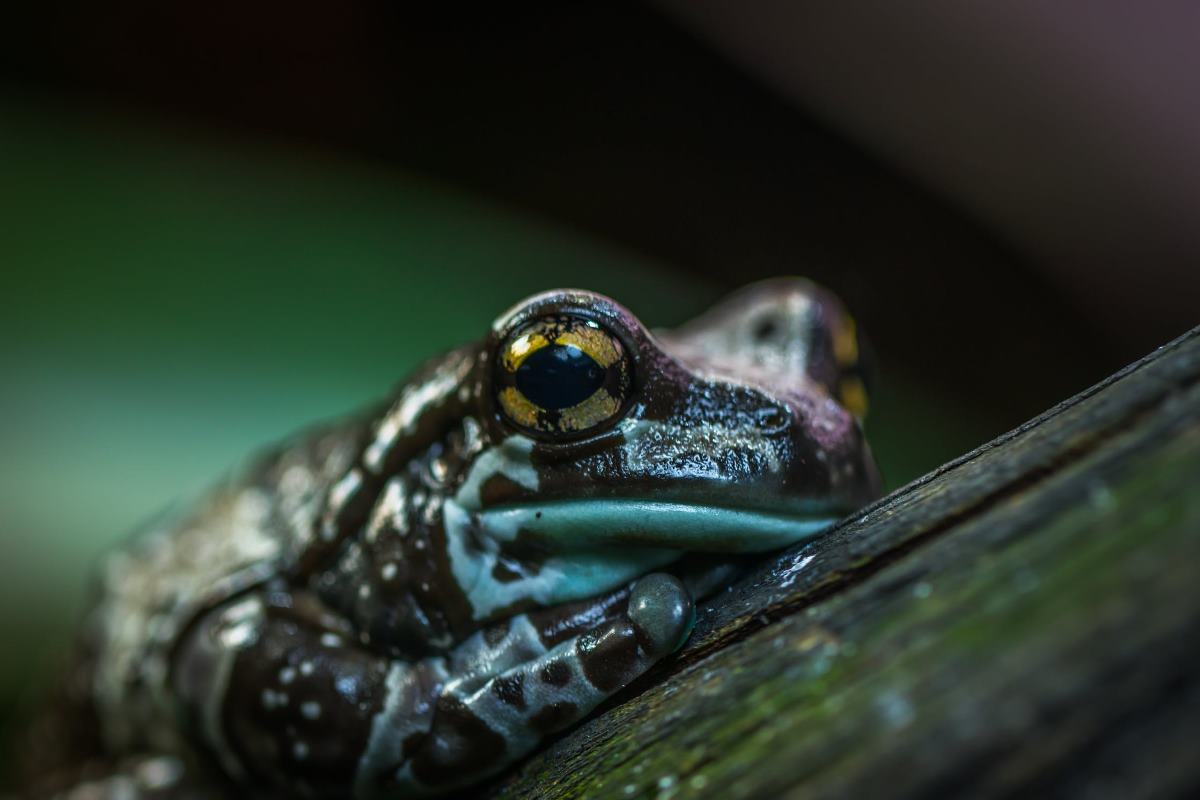
Now that the basics of terrarium setup and frog care are covered, it is easier to think about which species might suit your situation best. For beginners, the red-eyed tree frog is often a popular choice because of its striking appearance and reputation as an accessible pet when properly cared for. It is visually impressive and widely recognized, which makes it appealing to many new keepers.
If you are looking for something a little more unusual, the poison dart frog may attract your attention. These frogs are known for their vivid colors and distinctive look, but they are not a casual pet choice. Any frog considered for the home should be researched carefully, especially when special environmental conditions or handling concerns may apply.
For those drawn to especially eye-catching animals, the blue frog stands out as a beautiful option. Its color alone makes it memorable, and it is the kind of species that often captures interest immediately. Whatever frog you choose, the most important thing is to match the species to your ability to care for it properly rather than choosing based on appearance alone.
What to Know Before You Begin
Keeping a frog in a terrarium can be rewarding, but it works best when approached with preparation rather than impulse. Frogs depend on stable environmental conditions, and even small mistakes in humidity, temperature, or enclosure design can affect their health. That is why planning matters from the start.
It also helps to remember that each frog species has its own needs. Some are more suitable for beginners, while others require more experience and attention. Taking the time to understand those differences before bringing an animal home can prevent problems later and make the experience better for both you and the frog.
If you provide the right enclosure, feed the frog appropriately, keep the terrarium clean, and monitor its environment carefully, you will already be giving it a strong foundation for a healthy life. With patience and consistency, frog keeping can become an enjoyable and fascinating part of home animal care.
latest posts published

Dog Supplies: Essential Checklist Before Adoption (2026 Guide)
How to Understand Your Hamster’s Behavior

How to Feed an Unweaned Kitten –

Medium-Haired Cats: Breeds, Temperament, and Prices – Cat Breeds
When and How to Find an Emergency Veterinarian

Chocolate Labrador: This Secret Could Save Its Health

What Should I Do If My Dog Breaks a Leg?
The Modern Challenges Facing Farmers Today –

Healthy Dog: How to Spot the Key Warning Signs