
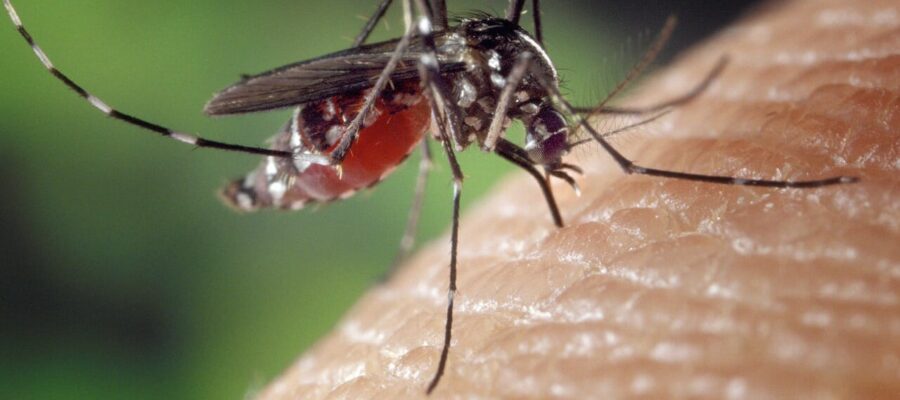
Insects can invade a home at almost any time. Cockroaches, spiders, mosquitoes, flies, and gnats are among the most common intruders, and many of them are unpleasant not only because they are a nuisance, but also because they can affect the comfort and cleanliness of a living space. Anyone who has dealt with a long-lasting infestation knows how stressful and frustrating it can be. The good news is that a few practical habits can make a real difference. Here are three useful ways to help keep insects away from your home.
Carry out a thorough cleaning of your home
Most insects are attracted by moisture, warmth, darkness, and especially decaying matter. Before they even have a chance to settle in, your home should be as clean and dry as possible, both inside and outside. Start with the outdoor areas, especially the yard and garden. Remove standing wastewater, stagnant puddles, and any waste or debris left behind after gardening or outdoor work. These are exactly the kinds of conditions that make a property attractive to insects.
Once the exterior is in order, move indoors and clean room by room. Dust doors, window frames, and corners where dirt tends to accumulate. Empty containers that hold unnecessary water, and check any spaces that may encourage pests to hide or breed. Bathrooms, kitchens, basements, and storage areas deserve special attention because they are often warmer, damper, or less ventilated than the rest of the house. This approach is especially effective against mosquitoes, which are strongly associated with stagnant water and humid environments.
A consistent cleaning routine is more effective than an occasional deep clean. Insects tend to return when food scraps, damp surfaces, or hidden clutter remain in place. For that reason, it is also helpful to store food properly, empty bins regularly, and keep surfaces free of crumbs and residue. Even small habits can reduce the chances of an infestation taking hold.
Use repellent products
The market offers many insect-repellent products, but not all of them are equally safe. Traditional insecticides can have toxic effects on human health, which is why their use is increasingly discouraged in many households. Fortunately, more modern antiparasitic repellents are now available, including products designed according to ecological standards and proper hygiene requirements. Among these products are Pest Reject Pro and Repulse Power.
Pest Reject Pro is presented as a notable technological solution thanks to its antiparasitic properties and its simple mode of use. It is a cylindrical accessory that can be installed in a room and emits electromagnetic repulsions intended to drive away insects and other unwanted animals present in the space. It works by ultrasound and is also described as durable, which makes it practical for regular use in the home.
Repulse Power is designed primarily to repel mosquitoes, but it is also said to be effective against many other insects and even mice in the home. It plugs into an electrical outlet and should be installed between 80 and 120 cm above the floor. Once switched on, it sends repellent waves intended to reach all corners of the living space. For more information about this product, click the link https://zeromoustiques.com/products/repulse-power.
When choosing a repellent, it is important to consider the specific problem you are trying to solve. A product aimed at mosquitoes may not be the same as one meant for cockroaches or rodents, and no single solution replaces good housekeeping. The most effective strategy is often a combination of prevention, cleaning, and the careful use of appropriate products.
Repair holes in the walls
If there are holes in the walls of your home, you should expect mosquitoes, cockroaches, and other harmful insects to find their way inside more easily. These openings should therefore be repaired without delay. A proper masonry repair can help close off entry points and reduce the risk of repeated infestations.
This step is preventive because wall holes often collect dust, dirt, and other debris that can attract insects. It is also corrective, since cavities in walls can serve as hiding places for pests already inside the house. Even small cracks can become convenient shelters for unwanted visitors, especially in poorly ventilated or rarely cleaned areas.
Along with sealing visible holes, it is also wise to inspect window frames, door edges, vents, and plumbing gaps. Insects often enter through the smallest openings, and once they are inside, they can be difficult to remove. Sealing these access points helps strengthen the overall protection of the home and supports the other measures already in place.
latest posts published

Dog Supplies: Essential Checklist Before Adoption (2026 Guide)
How to Understand Your Hamster’s Behavior

How to Feed an Unweaned Kitten –

Medium-Haired Cats: Breeds, Temperament, and Prices – Cat Breeds
When and How to Find an Emergency Veterinarian

Chocolate Labrador: This Secret Could Save Its Health

What Should I Do If My Dog Breaks a Leg?
The Modern Challenges Facing Farmers Today –

Healthy Dog: How to Spot the Key Warning Signs