

The first months of a kitten’s life are a crucial period from a nutritional point of view. This is the growth phase, when a kitten’s needs are very different from those of an adult cat.
From birth to around 2 months of age, the kitten stays close to its mother and feeds on maternal milk. During this stage, the mother’s nutritional needs must also be properly covered so she can produce enough milk of good quality.
Weaning, the transition from maternal milk to solid food, usually takes place before 2 months of age.
When your kitten starts discovering its food bowl
Your kitten will gradually move on to solid food. In practice, industrially prepared pet food is often the easiest solution.
Pet food manufacturers have made enormous progress, and the quality standards that govern animal nutrition now compare very well with those used for human food. The key is to choose a high-quality diet that provides everything your kitten’s body needs.

Feeding a cat is not complicated, and your veterinarian can help you choose the right food, or recommend certain brands available at the clinic, in specialist pet shops, or online. This applies apart from therapeutic cat food, which is a targeted diet sometimes recommended alongside treatment for a medical condition.
Cats are natural grazers
Cats are small eaters in the sense that they prefer several small meals throughout the day. Some adult cats may eat up to ten times a day. Dry food is especially useful because it does not spoil as quickly when left in the bowl.
You can place food in several different spots around the home. Cats are naturally curious, so they will usually have no trouble finding them.
Free-feeding is therefore perfectly suitable for cats. However, free-feeding does not mean unlimited quantities. It is important to meet your cat’s needs without encouraging excess weight or obesity. Fresh water should also be available at all times, both for hydration and to help keep the cat comfortable during hot weather.
Its litter tray should be placed in a quiet area, away from its food bowl or bowls.
Energy needs are extremely high at this stage of life because they support the kitten’s growth.
On the other hand, the stomach is still small. It is therefore important to combine food quality, meaning digestibility, balance, and composition, with a quantity that the stomach can comfortably handle, which means a high energy density.
Whenever possible, once the kitten has been fully weaned, usually between 1 and 2 months, it is recommended to feed it 3 meals a day.
Adult weight: the key indicator for monitoring your kitten’s growth
You need to keep a close eye on your kitten’s growth, which will of course depend on its breed. Weight gain in kittens should be monitored according to criteria that include the cat’s expected adult size.
For mixed-breed cats or so-called “gutter cats,” the adult weight of a female is generally between 3.5 and 4 kg, while an adult male usually weighs between 4 and 4.5 kg.
Obviously, average weight varies depending on the animal’s build, and in some breeds the difference can be very significant. For example, a Ragdoll, a Turkish Van, a Norwegian Forest Cat, or a Maine Coon can weigh as much as 8-9 kg as adult males.
A kitten should grow up… slightly lean
Cells that store fat, called adipocytes, multiply during growth. That is why it is important for a kitten to grow up slightly lean, in order to avoid a predisposition to excess weight or obesity in adulthood.
A weight chart should be updated every week during growth in order to monitor the kitten’s development properly.
An ideal weight chart established by your veterinarian
Your veterinarian will provide a weight chart suited to your kitten, which you can use to record each measurement.
It is very important to weigh the kitten on the same scale each time, in addition to the veterinarian’s scale, and as much as possible at the same time of day. This avoids weight fluctuations linked to eating, defecation, or urination.
The weight of a mixed-breed kitten, or “gutter cat,” is fairly standard and generally follows the growth pattern shown in the table below.
Your kitten’s teeth should be checked regularly
The development of a healthy set of teeth in a kitten needs to be monitored. During veterinary visits, especially vaccine boosters, the vet will inspect your cat’s mouth to make sure its teeth are developing normally.
Kittens are born without teeth. Their baby teeth start to appear at around 3 weeks of age.
The cat’s dentition develops in two generations of teeth:
– deciduous teeth, which are the equivalent of baby teeth in children,
– and permanent teeth.
Kittens have 26 baby teeth and 30 permanent teeth. Deciduous teeth erupt between 2 and 6 weeks: 2 to 3 weeks for incisors, 3 to 4 weeks for canines, and 3 to 6 weeks for premolars.
The loss of baby teeth, as permanent teeth come through, generally happens between 3 and 6 months:
– between 3 and 4 months for incisors,
– between 4 and 6 months for premolars,
– and between 4 and 5 months for canines and molars.
Get your kitten used to toothbrushing
This is the ideal time to teach your kitten to accept toothbrushing. The process takes both time and patience.
The veterinary team can guide you through the different steps at the clinic so that toothbrushing becomes part of your routine later on.
Cat teeth are brushed using a toothbrush or finger brush and toothpaste specifically designed for cats.
The aim is to manage your cat’s oral hygiene properly and prevent plaque buildup, which leads to tartar and gingivitis. Cats, like small-breed dogs, are especially prone to these problems.
Tartar and gingivitis are two conditions that affect both the cat’s comfort and the owner’s daily life:
– pain,
– bad breath,
– loss of appetite,
– infections,
– periodontal disease…
Before reaching that stage, and to prevent problems, do not overlook checking and caring for your kitten’s teeth.
The earlier you get your cat used to being handled, the easier it will be later on, because cats can be quite stubborn. If they are not used to it, they may react with scratches as adults when they do not want to cooperate.
latest posts published

Dog Supplies: Essential Checklist Before Adoption (2026 Guide)

How to Understand Your Hamster’s Behavior

How to Feed an Unweaned Kitten –

Medium-Haired Cats: Breeds, Temperament, and Prices – Cat Breeds
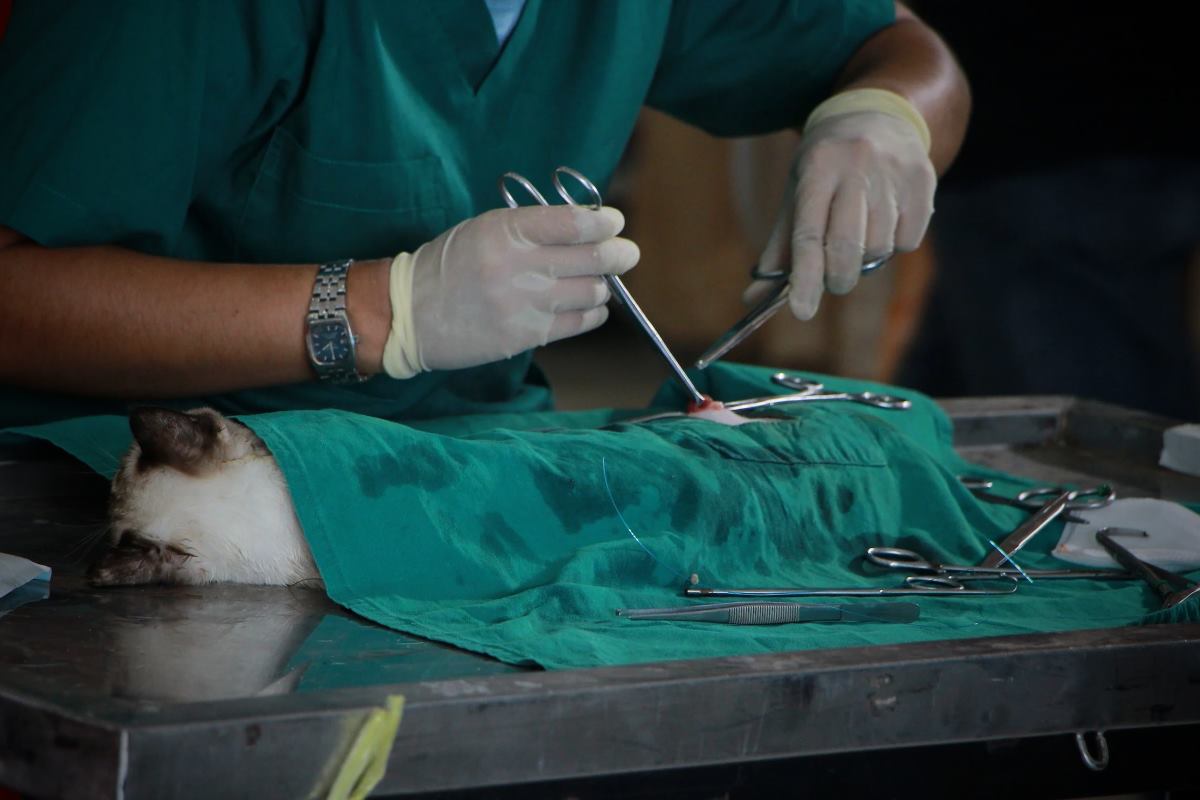
When and How to Find an Emergency Veterinarian

Chocolate Labrador: This Secret Could Save Its Health

What Should I Do If My Dog Breaks a Leg?
The Modern Challenges Facing Farmers Today –

Healthy Dog: How to Spot the Key Warning Signs