
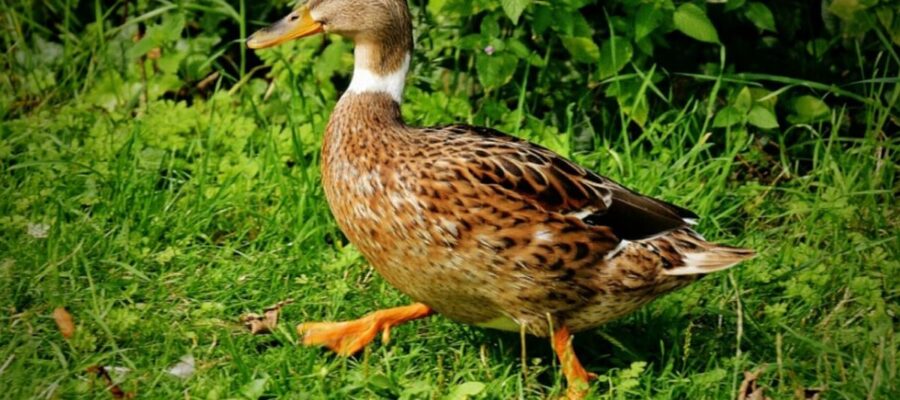
Ducks are endlessly fascinating. With their webbed feet, waterproof coats of feathers, and ability to fly, it is easy to see why they attract so much attention. They are also remarkably widespread, with different species found on almost every continent on Earth, except Antarctica. But have you ever wondered where these birds go to sleep at night? The answer is a little more interesting than it may seem at first glance.
The bedtime habits of ducks
One common idea is that ducks simply tuck their heads under their wings and fall asleep on the water. That can certainly happen in some cases, but it is unlikely to describe every duck. In reality, many ducks prefer to sleep on dry land, where they often feel safer and better protected from predators. Some even build nests, which gives them a more sheltered and comfortable place to rest.
Another popular theory suggests that ducks never really sleep at all. While that sounds exaggerated, there is some science behind the idea. Ducks have a very high metabolism and burn energy quickly, which means they need to eat frequently to keep their bodies going. Since they cannot feed while asleep, they tend to rest in short intervals rather than settling into one long stretch of sleep.
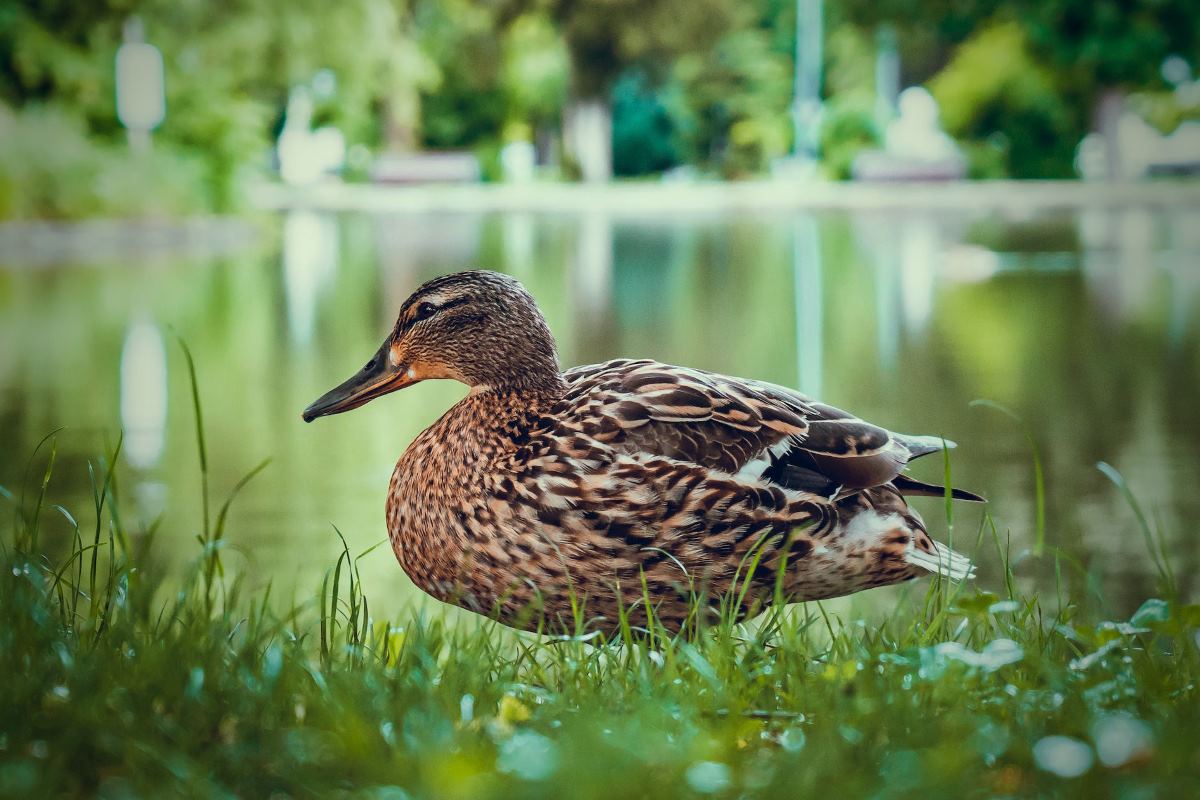
That does not mean ducks are always alert and active. They do rest, but they usually do it differently from humans. Instead of sleeping for hours at a time, ducks often take frequent naps throughout the day, usually lasting no more than 20 minutes each. This pattern allows them to conserve energy while still staying ready to eat, move around, and respond quickly to danger.
What this tells us about duck sleep
So where do ducks sleep at night? The answer depends on the species, the environment, and how safe the bird feels. Some ducks sleep on water, some on land, and some in nests or sheltered spots. What they have in common is a sleep style shaped by survival. For a duck, rest is not just about comfort; it is also about staying alert enough to avoid predators and keep up with its energetic lifestyle.
The next time you see a duck floating quietly on a pond or waddling through a garden, you will know that its sleep habits are more flexible than they first appear. These birds may look peaceful, but their way of resting is closely tied to the demands of life in the wild.
latest posts published

Dog Supplies: Essential Checklist Before Adoption (2026 Guide)
How to Understand Your Hamster’s Behavior

How to Feed an Unweaned Kitten –

Medium-Haired Cats: Breeds, Temperament, and Prices – Cat Breeds

When and How to Find an Emergency Veterinarian

Chocolate Labrador: This Secret Could Save Its Health

What Should I Do If My Dog Breaks a Leg?
The Modern Challenges Facing Farmers Today –

Healthy Dog: How to Spot the Key Warning Signs