

For lizards, losing the tail is not as unusual as it may seem. In fact, it is one of their most important survival tricks. At first glance, shedding a tail might look like a serious disadvantage, but for a lizard it can mean the difference between life and death. The detached tail can distract a predator long enough for the animal to escape, and in many species the tail can even grow back later. Here is what actually happens when a lizard loses its tail, why it happens, and how regeneration works.
How a tail helps a lizard survive
As cold-blooded animals, lizards rely on their environment to help regulate body temperature, and the tail plays a role in that process. By moving the tail and adjusting how they position their bodies, lizards can influence blood flow and make it easier to manage heat in cooler conditions. The tail also helps them keep their balance when climbing trees, rocks, walls, and other elevated surfaces.
Just as importantly, the tail is a built-in escape tool. If a predator grabs a lizard by the tail, the animal can sometimes detach it and flee. The wriggling tail continues to move after separation, creating a distraction that buys precious seconds for the lizard to get away.
The importance of the tail
For humans, losing a tail would not matter much, but for a lizard it is a major event. A tail is not just a decorative appendage; it is tied to movement, balance, defence, and in some species even energy storage. Once it is gone, the animal has to cope without one of its most useful body parts.
In many cases, the stump left behind is vulnerable. It can become infected, and if the wound does not close properly, the lizard may continue to bleed for a while after the tail is lost. That can be dangerous, especially for a small animal in the wild. Without a tail, the lizard may also be less stable while moving and more exposed to predators, which makes survival harder until it recovers.
Why do lizards lose their tails?
There are several reasons a lizard may lose its tail. The most well-known is predator escape. When a lizard senses immediate danger, it may drop its tail to create a diversion. The detached tail often keeps moving on its own for a short time, which can confuse the predator and give the lizard a better chance of getting away.
Tail loss can also happen during fights between lizards. Males may compete for territory or potential mates, and those confrontations can become physical. In some cases, the weaker animal may lose its tail during the struggle.
Another possible cause is the normal shedding process. Lizards and snakes regularly shed skin so they can remove parasites and get rid of old or damaged outer layers. During that process, some lizards may also lose parts of tissue or a tail that has already been damaged. While the original text refers to “regeneration tails,” the key point is that tail loss can be linked to the broader cycle of growth, repair, and shedding.
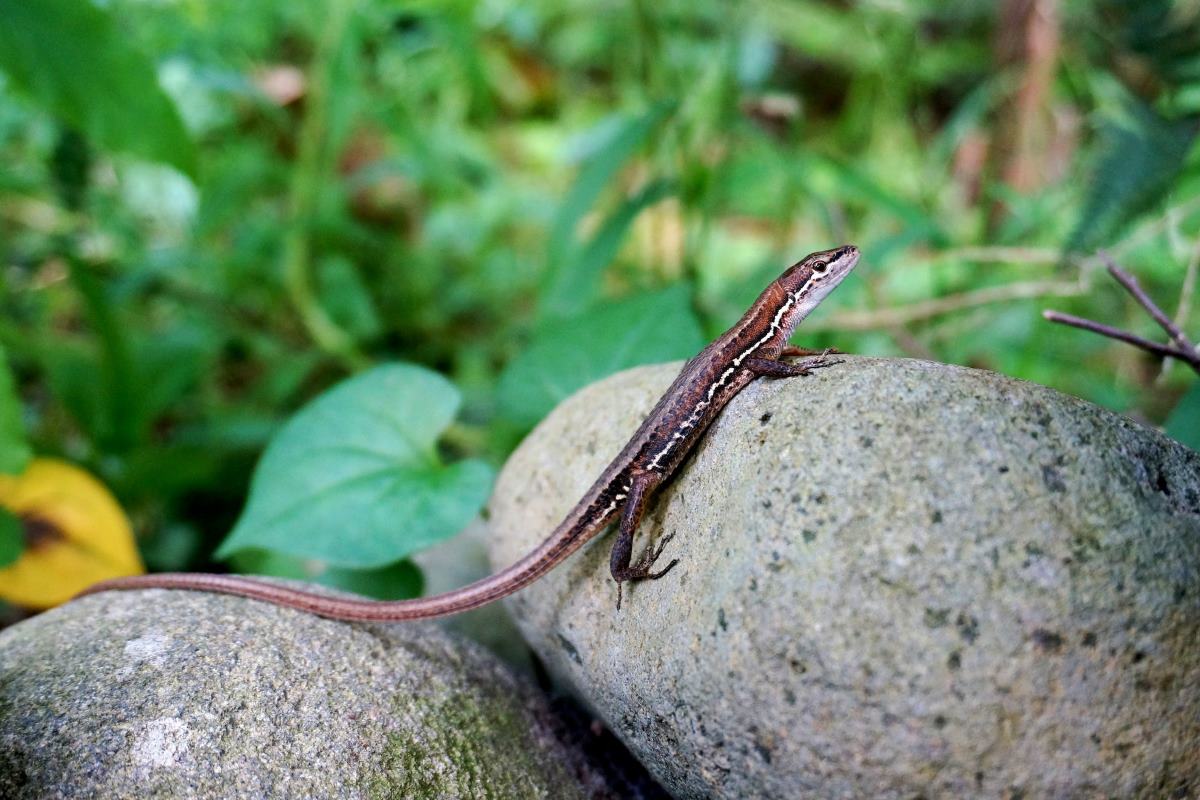
What happens when a lizard loses its tail?
The first response is to stop the bleeding. Blood vessels constrict quickly to reduce blood loss, which is essential for survival. After that, special cells begin the repair process. These cells divide and multiply, gradually building the structures needed for a new tail.
Regrowth does not happen overnight. It can take several months for a tail to rebuild, and the new tail is not always identical to the original one. Even so, regeneration gives the lizard back an important part of its body and restores much of its mobility and balance.
In general, the newly grown tail is functional, but it may differ in shape, texture, or strength from the first one. The original article describes it as stronger and more resistant; in practice, the exact result can vary by species and by the extent of the injury.
Does a lizard’s tail grow back?
In most cases, yes. Many lizards are capable of regenerating all or part of a lost tail. The process usually begins a few weeks after the tail is lost, once the wound has started to heal and new tissue begins to form.
The replacement tail is not a perfect copy of the original. It may look slightly different and may not have exactly the same structure, but it serves the same basic purpose: helping the lizard move, balance, and survive.
How long does it take for a lizard’s tail to grow back?
Full regrowth usually takes about two to three months, although the exact time can vary depending on the species, age, health, and environment of the lizard. Some animals recover more quickly, while others take longer. Either way, tail regeneration is one of the most remarkable examples of natural repair in the animal world.
If you ever see a lizard running around without a tail, there is usually no need to panic. The animal is often able to continue living normally, and in many species the tail will gradually return as healing progresses.
How lizards use tail loss as a survival strategy
Tail loss is not simply an accident. In many lizards, it is a deliberate defence mechanism built into the body. This strategy allows the animal to separate from a vulnerable part of itself in order to protect the rest. That may sound extreme, but in the wild, survival often depends on quick and sometimes dramatic responses.
The ability to detach a tail is especially useful for small lizards that are hunted by birds, snakes, and larger reptiles. A predator focused on the moving tail may hesitate long enough for the lizard to hide under a rock, slip into vegetation, or reach a safer place.
The trade-off is obvious: the tail is valuable, and losing it comes at a cost. Yet the chance to escape immediate danger often matters more than keeping the tail intact. Regrowth later helps reduce the long-term impact.
In summary
Lizards are remarkable animals with a built-in survival mechanism that allows them to lose and, in many cases, regrow their tails. This can happen to escape predators, during fights with other lizards, or as part of broader damage and shedding processes. Once the tail is lost, the body quickly reduces blood loss and begins repairing the area. A replacement tail often starts forming within weeks and is usually restored within two to three months.
So if you ever spot a lizard with a short tail, there is no reason to feel sorry for it. In many cases, that lizard has simply used one of nature’s smartest escape strategies.
latest posts published

Dog Supplies: Essential Checklist Before Adoption (2026 Guide)

How to Understand Your Hamster’s Behavior

How to Feed an Unweaned Kitten –

Medium-Haired Cats: Breeds, Temperament, and Prices – Cat Breeds
When and How to Find an Emergency Veterinarian

Chocolate Labrador: This Secret Could Save Its Health

What Should I Do If My Dog Breaks a Leg?
The Modern Challenges Facing Farmers Today –

Healthy Dog: How to Spot the Key Warning Signs