
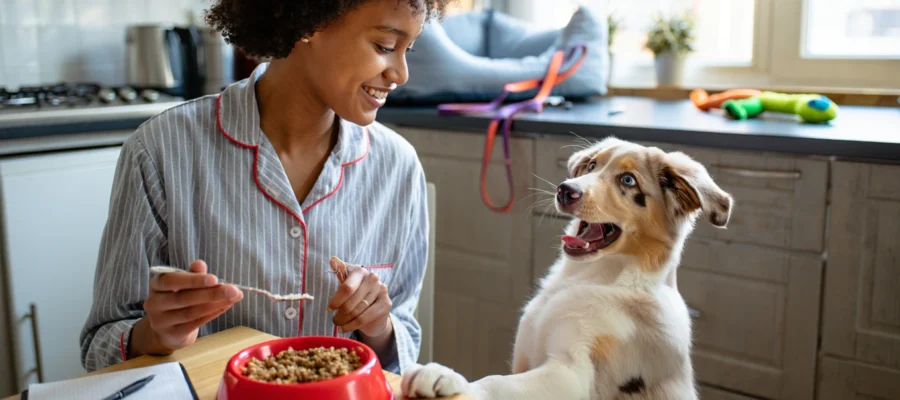
The sound of claws clicking on tile, the smell of cardboard piling up in the living room, that endless checklist scribbled across the fridge door… If you’ve ever prepared for a dog adoption, you know exactly what that pre-adoption frenzy feels like. And yet, when your future companion finally arrives, you want everything to feel calm, safe, and ready.
Maybe you’ve imagined opening the door and realizing you forgot the bowls. Or worse, discovering that the collar is too loose and your dog slips away on the very first walk. That last-minute panic is real. I’ve been there with my golden retriever, and believe me, it can be avoided.
The good news? You do not need to buy everything in sight. What matters is getting the essentials right before your dog comes home, so you can focus on helping them settle in instead of rushing to the pet store or the vet in a panic.
What usually goes wrong before an adoption
The days before adoption are often a strange mix of excitement and stress. You count down the hours until your dog arrives, then suddenly it hits you: what did I forget? Stores may close soon, the list seems to keep growing, and every new idea feels urgent.
It is easy to overprepare in one area and overlook another. You might buy too many toys and still forget a leash. You may choose a beautiful bed and later realize you never planned where the dog will eat, sleep, or go for their first walk. Those details matter because the first few days shape how smoothly your new companion adjusts.
A dog also picks up on your mood. If you are frantic, the atmosphere at home becomes frantic too. A simple, thoughtful setup helps you stay calm, which in turn helps your dog feel safe.
When preparation makes all the difference
When I adopted Luna, a small rescued beagle, I had exactly 48 hours to get everything ready. The shelter was bringing her to me on a Sunday, and I quickly realized that a good checklist is the difference between a peaceful adoption and total chaos.
That experience taught me something useful: not every purchase has the same priority. Some items are essential from day one. Others are nice to have, but they can wait until you have watched your dog’s habits, size, and personality for a little while.
Luna also showed me that simplicity is often better than abundance. A dog does not need a room full of accessories to feel welcome. What they really need is a secure home, a predictable routine, and a few well-chosen basics.
The essentials for the first few days
Food and water
- Non-slip bowls: stainless steel or ceramic is usually best. Avoid plastic, which many puppies love to chew.
- Transition food: ask for the brand used by the breeder or shelter, especially during the first days to reduce digestive upset.
- Training treats: choose small, soft treats that are easy to digest and practical for short training sessions.
Keeping the diet consistent at first is important. Sudden changes can be hard on a dog’s stomach, especially if they are young or already adjusting to a new environment. If you plan to switch food later, do it gradually rather than all at once.
Safety and comfort
- Adjustable collar: you should be able to fit two fingers between the collar and the neck.
- Leash around 1.5 m: this length is a good balance for early walks because it is neither too short nor too long.
- Bed or cushion: place it in a quiet corner, away from constant foot traffic and noise.
Comfort is not just about softness. A dog needs a defined place to rest, observe, and recover from the excitement of a new home. A bed placed in a calm area helps create that sense of security. If your dog is nervous at first, a quiet sleeping spot can make the transition much easier.
Hygiene and care
- Puppy pads: useful for occasional accidents, especially at night or during the first adjustment period.
- Brush suited to the coat: short, long, wiry, or curly coats do not all need the same tool.
- Gentle dog shampoo: choose a product made specifically for dogs.
Even if your dog is not a puppy, it helps to have a few hygiene basics ready. A clean towel, a brush, and the right shampoo can make grooming easier from the start. If your dog arrives muddy, stressed, or a little disoriented, being prepared saves you time and keeps the experience smoother for both of you.
What can wait, and what saves you money
It is tempting to buy everything at once: a basket full of toys, a fancy kennel, cute clothes, decorative blankets, and every accessory you see online. But your dog is far more likely to enjoy exploring their new home with you than playing with fifteen toys they do not understand yet.
Some items are worth postponing until you know more about your dog’s habits. A dog that loves to chew may destroy one type of toy and ignore another. A larger bed may be wasted if they prefer to curl up on a cushion near your feet. Clothing, designer items, and elaborate extras can wait until you know whether they are useful.
Personal note: Luna ignored her €80 bed for weeks and chose to sleep on my old sweater instead. It was a good reminder that comfort is not always about price. Sometimes the simplest thing in the room is the one a dog trusts most.
That does not mean extras are never useful. They just should not come before the basics. A sensible purchase order protects your budget and reduces the risk of buying things you will never use.
A simple plan for a smoother adoption
If you want to welcome your dog with confidence, focus first on the essentials: bowls, leash, collar, bed, and food. Once those are in place, you can observe what your dog actually needs instead of guessing.
Prepare their space the day before arrival. Put the bed in its final location, set up the bowls, and keep the leash and collar close by. If you are bringing home a puppy or a nervous dog, make the environment as calm and uncluttered as possible. Too many objects and too much activity can make the first hours more overwhelming than necessary.
It also helps to think ahead about the first evening and the first walk. Where will your dog drink water? Where will they rest? Which door will you use for going outside? Small decisions like these reduce confusion and help the first day unfold more smoothly.
Most of all, do not aim for perfection. Your dog does not need a magazine-ready home. They need a prepared, patient person who is ready to guide them through a new routine.
With the right preparation, the beginning of your life together can feel calm instead of chaotic. And that makes the first steps into a new home a lot easier for both of you.
latest posts published
Dog Supplies: Essential Checklist Before Adoption (2026 Guide)
How to Understand Your Hamster’s Behavior

How to Feed an Unweaned Kitten –

Medium-Haired Cats: Breeds, Temperament, and Prices – Cat Breeds
When and How to Find an Emergency Veterinarian
Chocolate Labrador: This Secret Could Save Its Health
What Should I Do If My Dog Breaks a Leg?
The Modern Challenges Facing Farmers Today –
Healthy Dog: How to Spot the Key Warning Signs