
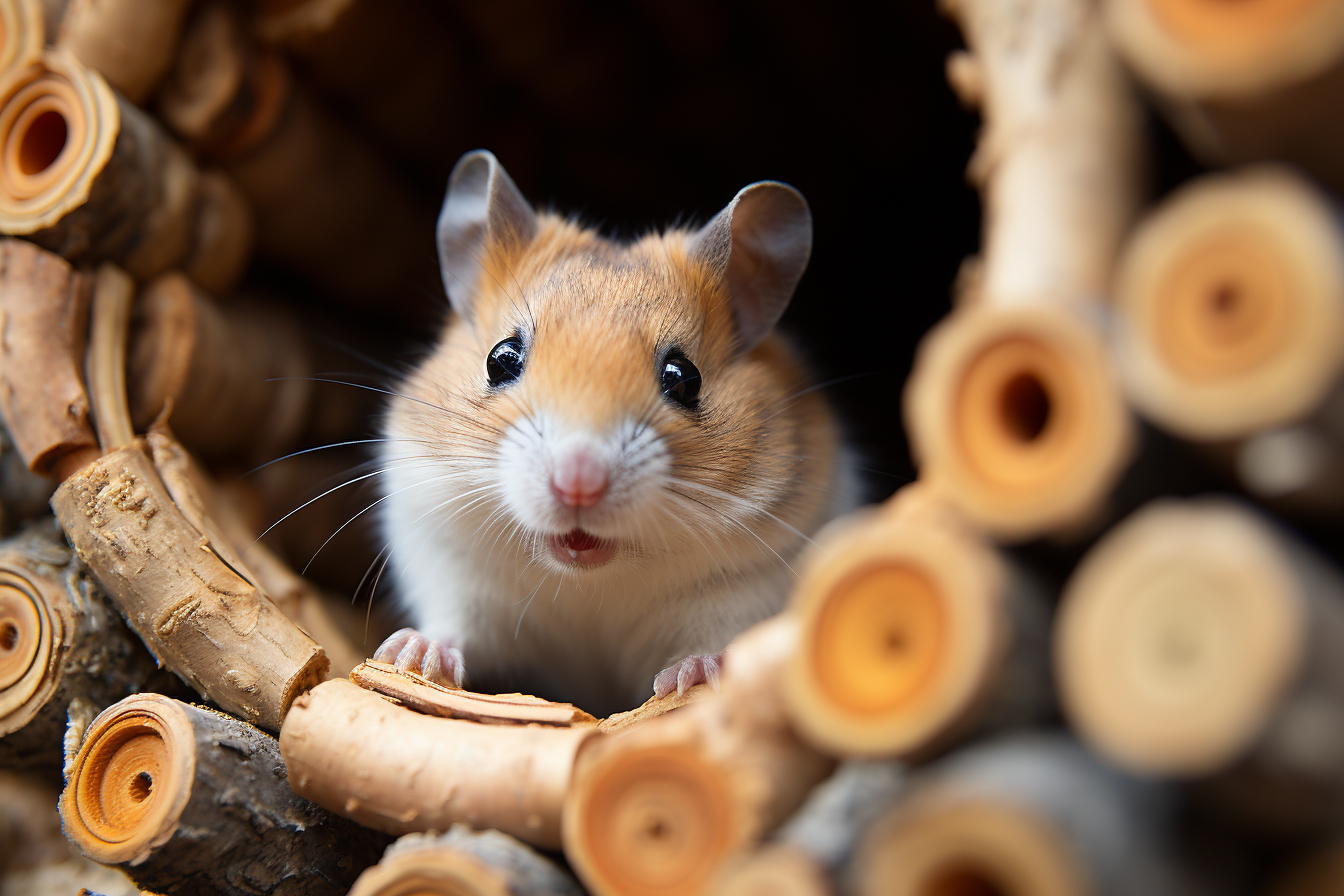
If you are a pet lover, and especially a hamster owner, you have probably wondered how to decode the behavior of your tiny rodent. After all, a hamster’s body language can seem puzzling at times, even a little mysterious.
The good news is that hamster behavior becomes much easier to understand once you know what to look for. A hamster that bites, a hamster that runs in circles inside its cage, or a hamster that seems unusually timid is often communicating something specific. In this article, we will look at the most common signs, explain what they may mean, and help you create an environment that better suits your companion’s needs. Along the way, you will also learn how different hamster types can show different temperaments and how fear can affect their daily behavior.
Understanding hamster behavior through body language
Like any animal, hamsters communicate through posture, movement, and reactions. Their behavior is rarely random. Watching how they move, sleep, eat, clean themselves, or respond to your presence can tell you a great deal about how they feel.
For example, a hamster that licks itself constantly may be dealing with a skin irritation or another health issue. A hamster that keeps turning in circles in its cage may be bored, overstimulated, or stressed by its surroundings. These signs do not automatically point to a serious problem, but they should never be ignored.
It is also important not to jump to conclusions based on a single gesture. Hamsters are small, sensitive animals, and behavior can change for many reasons, including age, time of day, handling habits, or changes in the home. If something seems unusual or persistent, a veterinarian should assess the situation. Only a qualified professional can determine whether the issue is behavioral, environmental, or medical.
The hamster’s cage behavior reflects its environment
A hamster’s cage is not just a container; it is its entire world. The way the enclosure is set up has a direct influence on the animal’s mood and behavior. A cage that is too small, poorly arranged, or not cleaned regularly can lead to stress, frustration, aggression, and illness.
When a hamster seems restless, withdrawn, or overly defensive, it is worth looking at the environment first. Is there enough space to move around comfortably? Is the bedding appropriate? Does the cage offer shelter, exercise opportunities, and places to explore? Small deficiencies in the setup can have a big effect on a hamster’s well-being.
Food and accessories matter too. A sudden change in bedding or diet can unsettle a hamster, especially if the new material has a different texture or smell. Likewise, a cage with no toys, tunnels, or activity options may leave the animal under-stimulated. Over time, that lack of enrichment can make a hamster seem lethargic, irritable, or even aggressive.

Behavior differences between hamster species
There are several types of hamsters, including the Russian hamster and dwarf hamsters. Each has its own tendencies, and those differences can affect how they behave in daily life. For example, the Russian hamster is often described as calmer and less aggressive than some dwarf hamsters, which are usually more active and playful.
That said, general descriptions should never replace observation of the individual animal. Two hamsters of the same type may react very differently to handling, noise, or changes in their surroundings. Personality, early experiences, and daily care all play a role.
Whatever the breed or type, the key is to respect the hamster’s specific needs. A well-cared-for hamster is more likely to be curious, balanced, and comfortable around its environment. Good care is not only about food and water, but also about space, routine, and the right level of stimulation.
Fear in hamsters: how to recognize it and respond
Fear is a normal emotion in animals, and hamsters are no exception. A frightened hamster may hide often, freeze in place, become tense when approached, or react with biting if it feels cornered. In many cases, what looks like aggression is actually self-protection.
To understand and manage this fear, you first need to identify what is causing it. It may be a loud noise, a sudden movement, a change in the cage, a new smell, or the presence of another animal nearby. Once you know the source, you can adjust your behavior and the hamster’s surroundings to make it feel safer.
In practice, this often means moving more slowly, avoiding unnecessary handling, keeping the cage in a calmer area of the home, and giving the hamster time to adapt after any change. Patience is essential. A fearful hamster does not usually become confident overnight, but consistent, gentle care can gradually build trust.
Practical ways to better understand your hamster
Reading hamster behavior is easier when you observe patterns rather than isolated moments. Look at how your hamster behaves at the same time each day, how it reacts when you clean the cage, and whether it becomes more active or more withdrawn after a change in routine. This kind of regular observation helps you distinguish normal habits from warning signs.
It can also help to make changes one at a time. If you replace bedding, alter the food, add a new toy, and move the cage all in the same week, it becomes much harder to know what influenced the hamster’s response. A slower approach makes it easier to identify what your pet likes and dislikes.
Above all, remember that hamsters are small animals with very specific needs. They often communicate through subtle signs, so understanding them requires patience, consistency, and close attention. The more you learn to read their behavior, the easier it becomes to provide a safer, calmer, and more enriching environment.
By paying attention to body language, cage conditions, species-specific traits, and signs of fear, you can better support your hamster’s health and comfort. That understanding also strengthens the relationship between you and your pet, turning everyday care into something more responsive and rewarding.
latest posts published

Dog Supplies: Essential Checklist Before Adoption (2026 Guide)
How to Understand Your Hamster’s Behavior

How to Feed an Unweaned Kitten –

Medium-Haired Cats: Breeds, Temperament, and Prices – Cat Breeds

When and How to Find an Emergency Veterinarian

Chocolate Labrador: This Secret Could Save Its Health

What Should I Do If My Dog Breaks a Leg?
The Modern Challenges Facing Farmers Today –

Healthy Dog: How to Spot the Key Warning Signs