

If you have ever been around a molosser-type dog, you know how intimidating it can look at first glance. Their imposing size and deep bark can easily give the impression that they are naturally mean. But is that really the case? In this article, we look at whether molosser dogs are inherently aggressive or whether their reputation comes from other factors.
Are molosser dogs really mean?
Molosser dogs are a type of working dog that includes breeds such as the Rottweiler, Mastiff, and Bulldog. These dogs were originally bred for guarding and protection, which can make it easy to assume that they are mean by nature. In reality, though, every dog is an individual with its own temperament, habits, and level of sensitivity. A breed may have been developed for a specific purpose, but that does not mean every dog within that breed behaves in the same way.
One reason molosser dogs can appear mean is that many of them are naturally territorial. If someone or something enters their space and they interpret it as a threat, they may bark loudly, posture defensively, or even attempt to bite. That said, this type of reaction is usually linked to poor socialization or insufficient training rather than true natural aggression. With proper guidance, clear boundaries, and early exposure to different people and situations, most molossers can learn to manage their territorial instincts in a calm and controlled way.
Another reason these dogs can seem intimidating is their traditional role as guard dogs. For example, Rottweilers are often used in police work or security settings because of their strength and imposing appearance. They may be affectionate and gentle with their family, but more cautious or less tolerant around strangers. Even so, this behavior is not fixed or inevitable. A well-socialized and well-trained dog is far more likely to respond appropriately than react out of fear or suspicion.
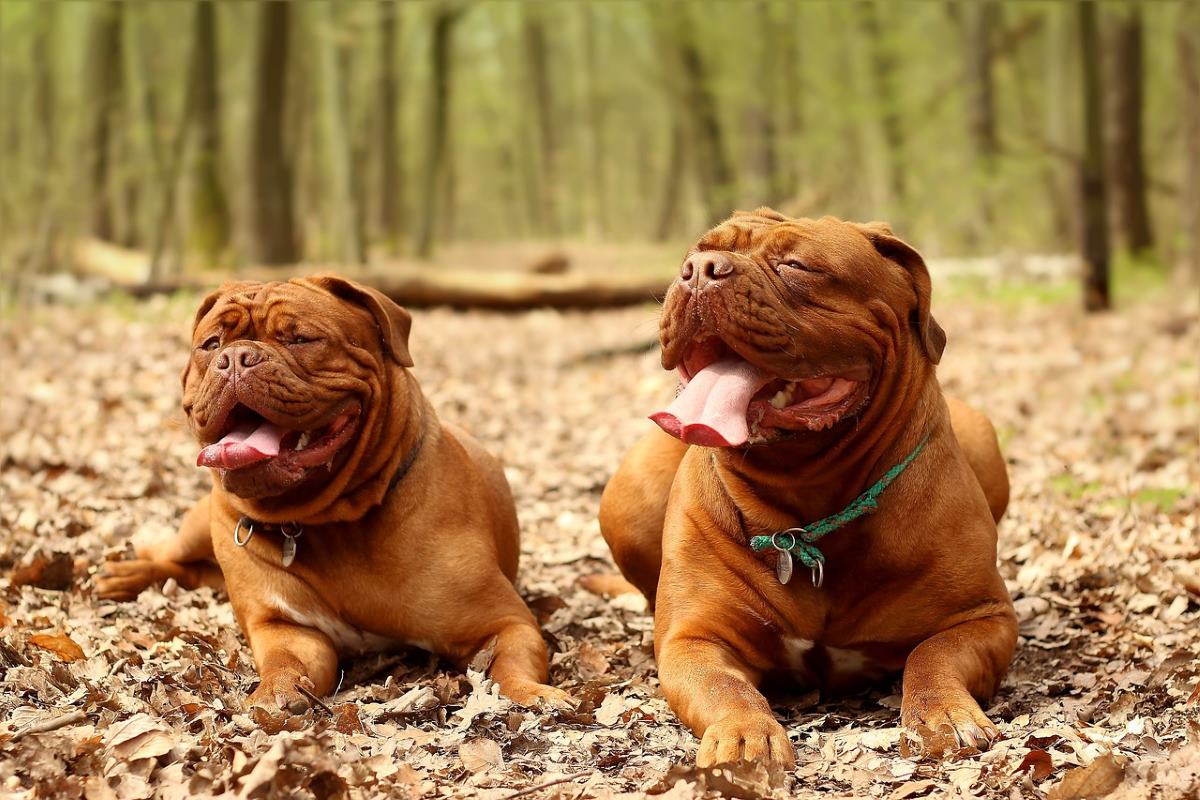
The advantages of owning a molosser-type dog
Molosser-type dogs include breeds such as the Bullmastiff, Mastiff, and Pitbull. They are known for their powerful build and intimidating presence, which is one reason they are often chosen as guard dogs. At the same time, their reputation can be a little misleading. While some people associate them with aggression or difficulty in training, many of these dogs are deeply loyal, steady companions when raised in a stable environment.
For the right owner, that loyalty is one of their biggest strengths. A molosser can be a devoted family dog and a reassuring presence in the home. These dogs often form strong bonds with the people they trust and may be especially protective when they sense danger. That protective instinct can be useful, but it also means they need owners who understand how to guide their behavior responsibly.
Another advantage is that they are not necessarily high-maintenance dogs in the way some smaller or more energetic breeds can be. They still need regular exercise, consistent training, and routine grooming, but their care can be straightforward when their needs are met properly. They are not the ideal choice for everyone, especially someone looking for a very casual pet with no training demands. However, if you want a strong, loyal, and dependable companion, a molosser may be an excellent fit.
It is also worth remembering that a dog’s behavior is shaped by more than breed alone. Daily routine, early socialization, training, and the quality of the relationship with its owner all play a major role in how that dog behaves in adulthood. A calm, structured environment usually brings out the best in a molosser-type dog, while neglect, inconsistency, or isolation can make any dog more reactive.
Final thoughts
So, are molosser dogs naturally mean? It is impossible to give a single answer for every dog, because each one has its own personality. But in general, molossers are not naturally vicious. When they seem aggressive or difficult, the cause is often related to a lack of socialization, poor training, or a role that encourages guarding behavior. Their size and appearance may make them seem more dangerous than they actually are.
With proper training, regular socialization, and attentive care, most molosser dogs can become affectionate, stable, and loyal companions. They may be powerful and protective, but that does not make them mean. In the right hands, they are often calm, devoted dogs that bring both security and companionship to the home.
latest posts published

Dog Supplies: Essential Checklist Before Adoption (2026 Guide)

How to Understand Your Hamster’s Behavior

How to Feed an Unweaned Kitten –

Medium-Haired Cats: Breeds, Temperament, and Prices – Cat Breeds

When and How to Find an Emergency Veterinarian

Chocolate Labrador: This Secret Could Save Its Health

What Should I Do If My Dog Breaks a Leg?
The Modern Challenges Facing Farmers Today –

Healthy Dog: How to Spot the Key Warning Signs