
Birds are fascinating creatures, admired for their beauty, grace, and vivid plumage. Feathers are not only what give birds their visual appeal; they are also essential for flight, insulation, and protection. When feathers are healthy, they appear smooth, bright, and well-structured. Keeping them in excellent condition requires consistent hygiene, good nutrition, and attention to the bird’s living environment.
Clean, Fresh Water
Water plays a central role in feather health. Birds need constant access to clean, fresh water, both for drinking and for bathing. Bathing helps remove dust, loose debris, and excess oil from the plumage, allowing feathers to stay neat and functional. Make sure the water is changed regularly so it does not become dirty or contaminated. A shallow bird bath can also be a useful addition, giving birds a safe way to clean themselves and maintain their feathers naturally.
Balanced Nutrition
Feathers are made up of proteins, vitamins, and minerals, so diet has a direct impact on their quality. A bird that receives proper nutrition is more likely to develop strong, glossy plumage and recover well during periods of feather replacement. The exact dietary needs vary by species, which is why it is wise to consult an avian veterinarian or a bird specialist when planning meals. In general, a varied diet that includes high-quality seeds, fresh fruits, and vegetables provides a solid nutritional base. Protein is especially important during growth and moulting, when the body is actively producing new feathers.
A Clean Habitat
A bird’s cage or aviary should be cleaned regularly to remove droppings, uneaten food, shed feathers, and other waste. A clean habitat helps reduce the risk of infections and discourages parasites that can damage feathers or irritate the skin. Pay attention to the bedding or litter used in the enclosure and make sure it is suitable for the species you keep. It should be changed often enough to remain hygienic and comfortable. Good cleaning habits are one of the simplest and most effective ways to support feather health over time.
Access to Sunlight
Birds benefit from natural light, which helps the body produce vitamin D and supports overall health, including the condition of their feathers. Whenever possible, allow them access to daylight in a safe environment. At the same time, the habitat should always include a shaded area where they can retreat if the temperature becomes too high. Direct sun can be helpful in moderation, but birds must always be able to escape excessive heat. Regular exposure to natural light can contribute to brighter, healthier-looking plumage.
Parasite Prevention
External parasites such as lice and mites can cause itching, discomfort, and skin irritation. When a bird feels constantly irritated, it may begin to damage its feathers by scratching or pulling at them. Regular observation is important, especially if the bird seems restless, is preening excessively, or shows changes in feather condition. If parasites are suspected, an avian veterinarian should examine the bird and recommend the appropriate treatment. Preventive care can help protect birds from these unwanted pests and reduce the chances of feather damage.
Feather Care
Beyond general hygiene, feather care can include small actions that support the bird’s natural grooming habits. Birds spend a great deal of time preening their feathers, aligning them and spreading natural oils to keep them in good condition. In some cases, a light misting with lukewarm water can help keep plumage fresh, particularly in dry environments. This should always be done gently and in a way that suits the species, because not all birds respond the same way to handling or moisture. The goal is to support natural maintenance without causing stress.
Moulting
Moulting is a normal process in which birds shed old feathers and grow new ones. During this time, plumage may look less polished or less vibrant than usual, but this is only temporary. The body uses extra nutrients to produce the new feathers, so diet becomes especially important. Providing protein-rich foods and ensuring access to appropriate daylight can help birds move through moulting more comfortably. Once the process is complete, the new feathers should restore the bird’s usual appearance and brilliance.
Preventing Feather Plucking
Feather plucking is a harmful behaviour in which birds pull out or chew their own feathers. It may be linked to stress, boredom, poor living conditions, or an underlying health problem. Because the causes can vary, feather plucking should never be dismissed as a simple habit. If you notice this behaviour, a veterinary consultation is the best way to identify the source and decide on the right response. Addressing the issue early can help prevent further damage and improve the bird’s comfort and welfare.
Protecting the health and beauty of a bird’s feathers is an ongoing responsibility. Healthy plumage often reflects the animal’s overall well-being, so good care should focus on the full picture: clean water, a nutritious diet, a hygienic habitat, proper light, and careful monitoring for parasites or behavioural issues. For bird keepers, paying attention to these details can make a visible difference in both appearance and quality of life. If you are looking for suitable nutritional products and hygiene supplies for birds, Distriplumes in Marignane offers options designed to help support these needs.
latest posts published

Dog Supplies: Essential Checklist Before Adoption (2026 Guide)
How to Understand Your Hamster’s Behavior

How to Feed an Unweaned Kitten –
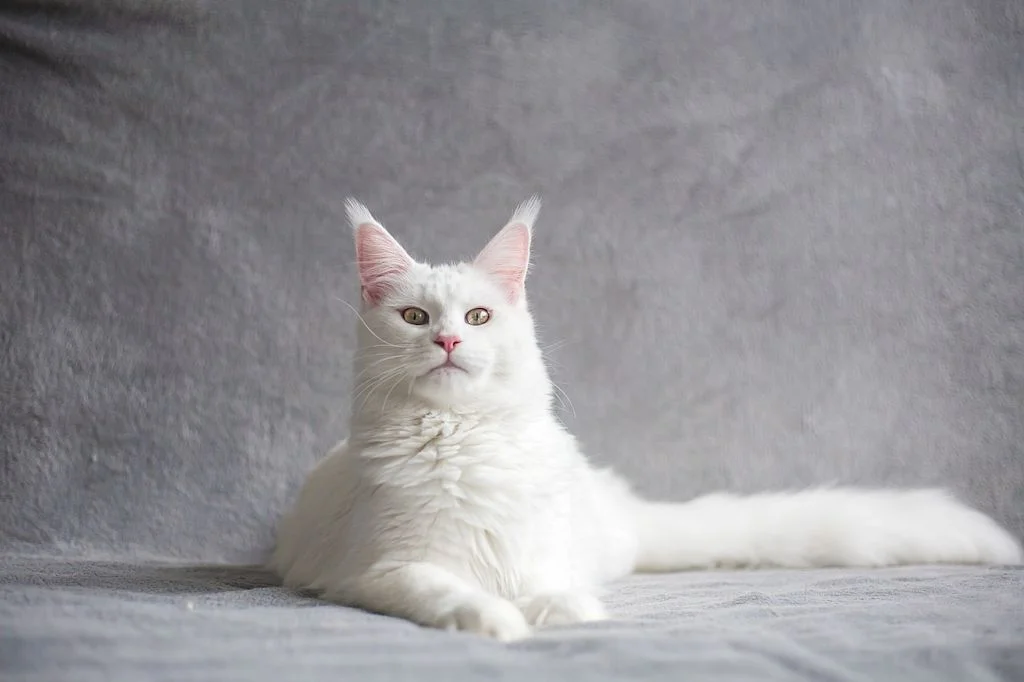
Medium-Haired Cats: Breeds, Temperament, and Prices – Cat Breeds
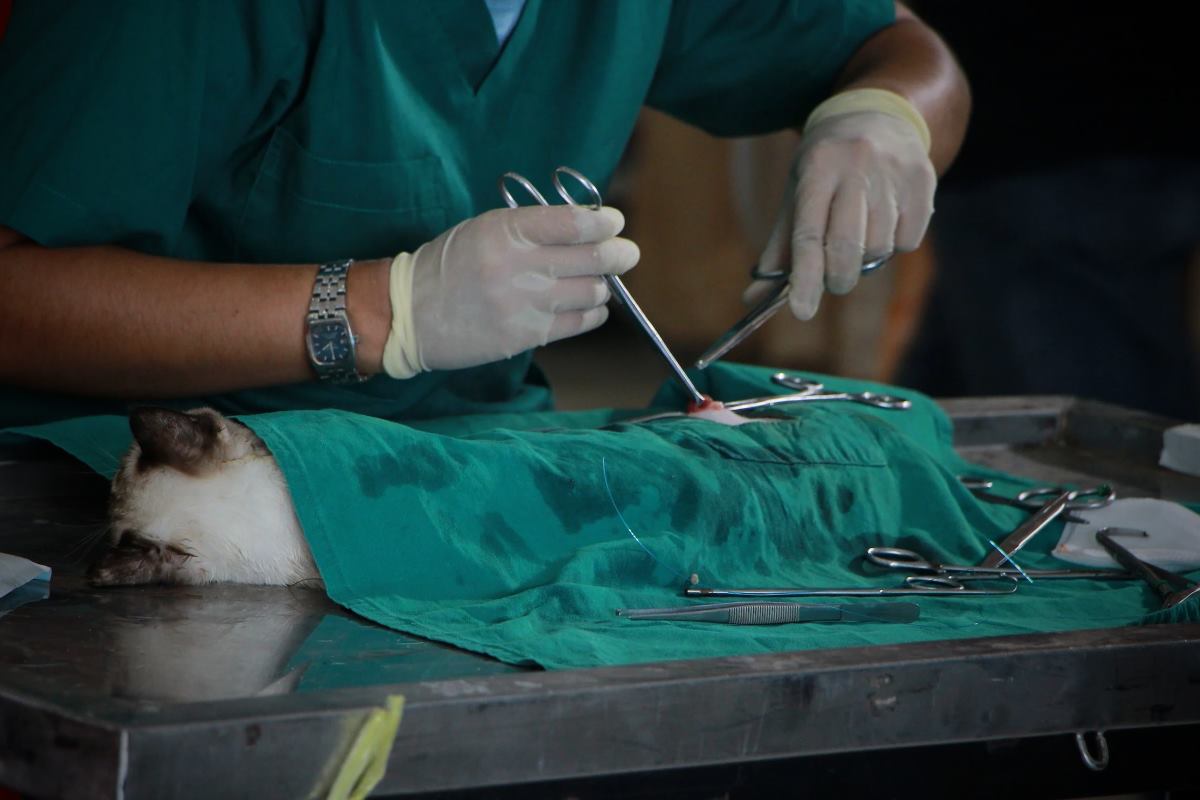
When and How to Find an Emergency Veterinarian

Chocolate Labrador: This Secret Could Save Its Health
What Should I Do If My Dog Breaks a Leg?
The Modern Challenges Facing Farmers Today –

Healthy Dog: How to Spot the Key Warning Signs