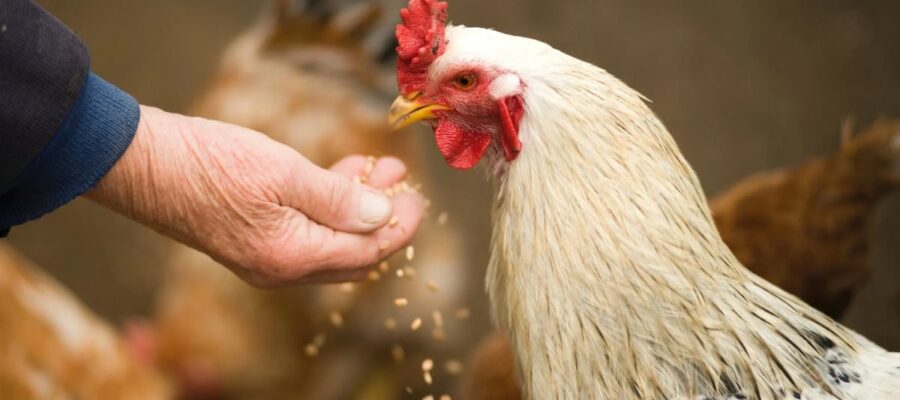
It is upsetting to see one of your chickens looking unwell. Keeping chickens healthy and comfortable is an important part of good flock care, and it helps to have a plan ready for the moments when illness strikes. One of the first steps is knowing what to feed a sick chicken so it can recover with as little stress as possible. The right food and fluids can make a real difference while the bird regains strength.
How to feed a sick chicken
When a chicken is sick, it often loses its appetite and may stop eating altogether. In that situation, the goal is not to force a full meal, but to offer foods that are easy to digest, gentle on the system, and still nutritious enough to support recovery. Soft foods are usually the best choice. Warm oatmeal, mashed hard-boiled eggs, or moistened pellets and crumble mixed with warm water can be easier for a weak bird to manage. Plain yogurt can also be offered in small amounts if the chicken will eat it, since it adds both moisture and a mild, familiar taste.
Fresh water should always be available. A sick chicken can become dehydrated quickly, especially if it is eating less than usual. If the bird is reluctant to drink, an electrolyte solution such as Pedialyte or Gatorade may help replace fluids and minerals lost during illness. These drinks are not a cure, but they can provide temporary support when a chicken is weak, stressed, or recovering from a digestive upset. Clean water should still remain the main source of hydration throughout the day.
Some chicken keepers also use natural additions such as apple cider vinegar or garlic oil, which are often associated with antifungal support and general immune support. Herbs like oregano, thyme, rosemary, dandelion leaves, and basil are sometimes added as well because they contain natural antioxidant and antibacterial compounds. These ingredients are best understood as supportive options rather than treatments on their own. They may be useful during recovery, but they should never replace proper care, warmth, hydration, and observation.
If a sick chicken is not interested in food, offering small amounts more frequently can sometimes work better than leaving a full bowl nearby. A bird that feels weak may only nibble, so even a little intake is helpful. The aim is to keep nutrition going in a form the bird can actually accept while its condition improves.
What to give a sick chicken to eat
When one of my chickens is ill, I focus on food that is light, bland, and easy to digest. A simple mash made with cooked rice or oatmeal and a little chicken broth or probiotic yogurt is usually a practical option. The texture matters just as much as the ingredients: soft, moist food is easier for a chicken to peck at and swallow when its energy is low. I also make sure there is plenty of fresh water available at all times, along with a daily ration of high-quality chicken feed if the bird is willing to eat it.
It is best to avoid salty or sugary foods, since they can create extra strain on a bird that is already unwell. Rich table scraps, heavily seasoned food, and anything difficult to digest can make matters worse rather than better. In some cases, adding vitamins to the drinking water can also support recovery, especially if the chicken has been off its feed for a while. Once the bird starts eating again, it is important to keep watching its overall behavior, droppings, appetite, and energy level so any relapse can be noticed early.
Careful monitoring is just as important as feeding. A chicken that is still isolating itself, losing weight, breathing oddly, or refusing food and water may need closer attention. Even when a bird appears to be improving, gradual progress is normal. The best approach is steady support, clean conditions, and calm observation while the chicken regains its strength.
Practical tips for supporting recovery
A sick chicken usually does better when stress is kept to a minimum. Quiet surroundings, easy access to food and water, and a separate warm place to rest can all help. If the bird is being picked on by the rest of the flock, temporary separation may be necessary so it can eat and drink without competition. This also makes it easier to keep track of how much it is consuming.
Temperature matters too. A weak chicken may struggle to stay warm, especially if it is not eating enough. A dry, sheltered space can help conserve energy while the bird recovers. Clean bedding should be maintained so the chicken remains comfortable and so the risk of additional health problems is reduced.
It is also wise to keep an eye on the bird’s droppings and breathing. Changes in either can provide clues about whether the illness is improving or getting worse. If the chicken continues to refuse food, becomes increasingly lethargic, or shows signs of severe distress, professional veterinary advice is the safest next step. Supportive feeding can help, but it is not a substitute for proper medical care when a serious problem is involved.
Final thoughts
Illness in chickens is never pleasant, but there are practical ways to help a sick bird recover. Offering soft, easy-to-digest foods such as oatmeal, mashed eggs, rice, or moistened feed gives the chicken a better chance to maintain strength while it heals. Fluids are just as important, whether from clean water, electrolyte solutions, or moist foods that encourage hydration. Supportive additions such as plain yogurt, apple cider vinegar, garlic oil, and certain herbs may also be useful in moderation as part of a broader care routine.
The key is to keep things simple, gentle, and consistent. A sick chicken needs nourishment, water, warmth, and close observation more than anything else. With the right care, many birds can regain their appetite and return to normal gradually. The sooner their needs are met, the better the chances of a smooth recovery.
latest posts published

Pregnant Dog: How to Prepare for the Arrival of the Puppies?

Death and Inheritance Rights: Who Inherits Your Pet? What You Need to Know
Senior Dog Kibble: At What Age Should You Switch?

Which Dog Breeds Don’t Shed Hair?

Bringing Your Dog or Cat to the Casino: Is It Really Possible?

What Are the Most Beautiful Cat Breeds?

Why Does My Dog Close Its Eyes When I Pet Its Head?
How to Clean Your Cat’s Ears Without Stress

Sterilizing My Cat: The Real Pros and Cons