
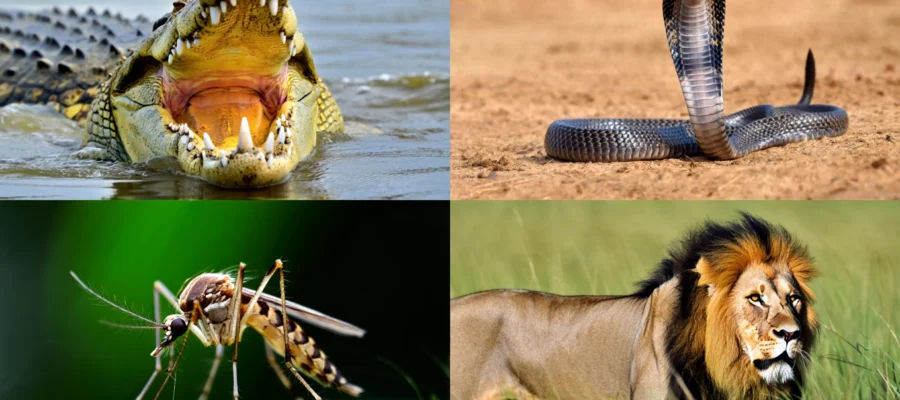
One day, while watching a documentary with my daughter, she asked me a question that stayed with me: “Mom, why do some animals hurt us?” It made me think about the difficult truth behind our love for wildlife. Some animals may be beautiful, fascinating, and essential to their ecosystems, yet still pose a serious danger to human beings.
That does not mean we should demonize the animal kingdom. Quite the opposite: understanding these risks helps us respect nature more deeply and react more intelligently when we encounter wildlife. In most cases, accidents can be avoided with a little knowledge and a few simple precautions.
So, which animals are truly the most dangerous for humans? The answer may surprise you.
Crocodiles: highly efficient killing machines
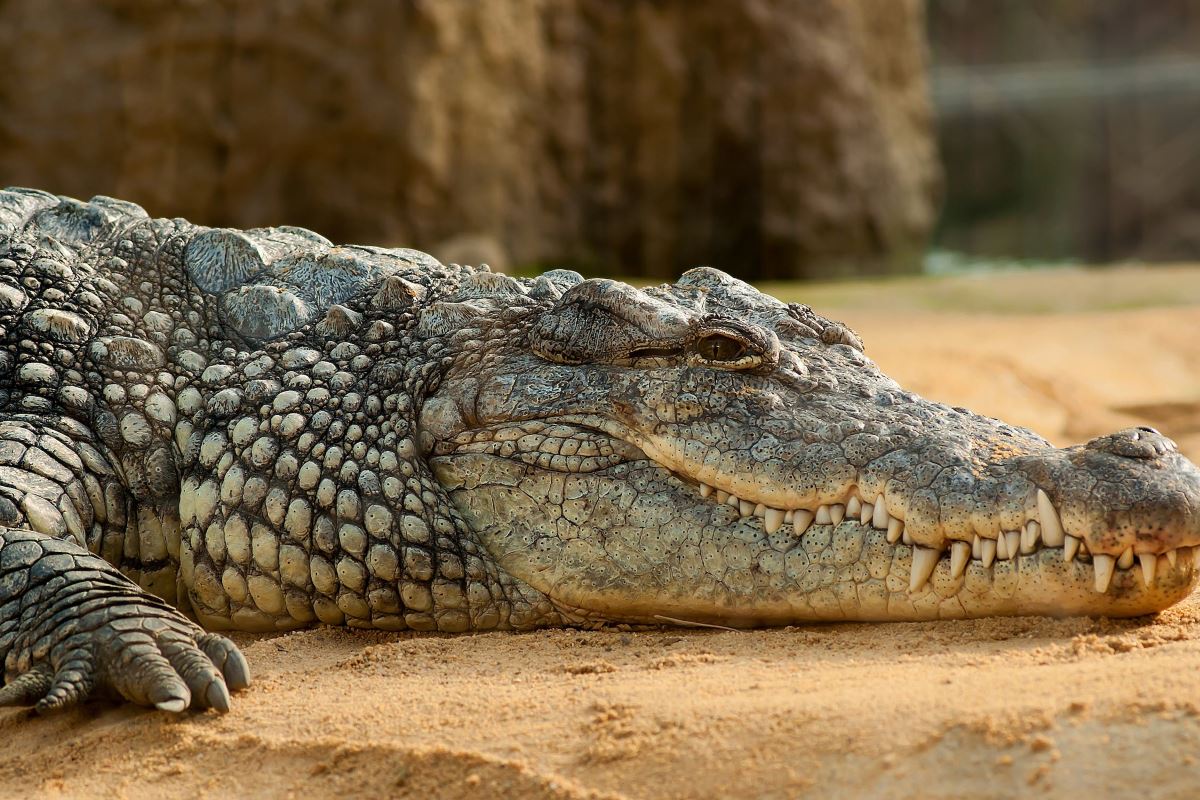
Whenever I think of crocodiles, I still remember a documentary about attacks in Australia. These prehistoric reptiles have barely changed for millions of years, and that is no accident: they were already perfectly adapted to life as apex predators.
The Nile crocodile can grow up to 6 meters long and weigh more than 700 kilos. Its jaws can exert a pressure of 2,000 kilos per square centimeter, enough to crush even the strongest bones. But what makes crocodiles especially frightening is their patience. They can remain motionless for hours, waiting for the right moment to strike.
Their signature move, the “death roll,” is as brutal as it sounds. Once they clamp onto a target, they spin violently underwater until the victim drowns or is torn apart. It is one of the most efficient hunting techniques in nature, and one of the most terrifying to witness.
Did you know?
Crocodiles are responsible for around 1,000 human deaths every year worldwide. Africa and Australia account for most of these tragic incidents.
Sharks: feared, but far less dangerous than most people think

Thanks to Hollywood, sharks are often portrayed as relentless monsters, but reality is much more nuanced. I once had the chance to dive with hammerhead sharks in the Bahamas, and what struck me most was how wary they seemed rather than aggressive.
The great white shark is undeniably imposing, with a body that can reach 6 meters and rows of razor-sharp teeth. Even so, the numbers are surprising: only about ten people die each year from shark attacks worldwide. That is fewer deaths than those caused by some surprisingly ordinary hazards.
In many cases, what we call a shark “attack” is actually a mistaken identity. A shark may confuse a surfer with a seal and bite once before realizing the error. Unfortunately, even a single exploratory bite can cause severe injuries.
The hippopotamus: Africa’s unpredictable giant
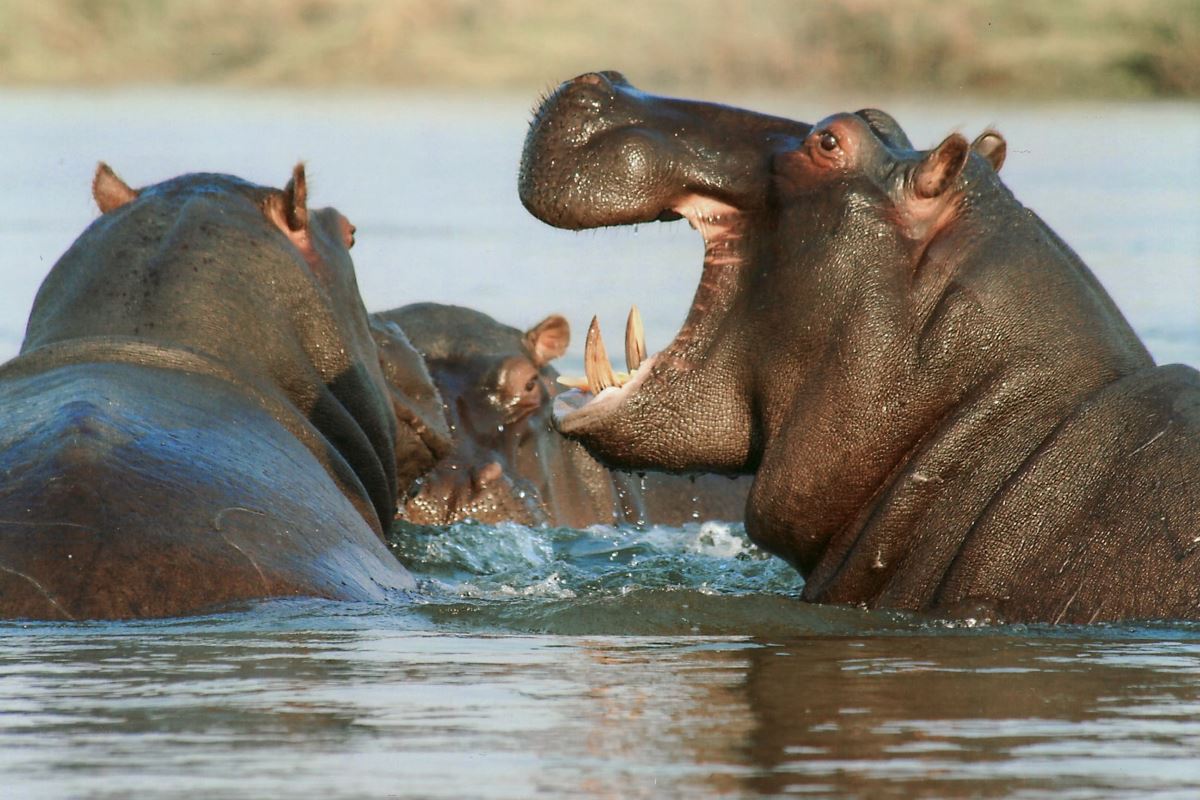
If there were an award for the most underestimated animal, the hippopotamus would be a strong contender. With its rounded body, tiny ears, and seemingly calm expression, it looks almost harmless. In reality, it is one of the most aggressive animals on the planet.
These three-ton giants can run at 50 km/h on land and are surprisingly agile in water. Their canines can reach 50 centimeters in length, turning their mouths into natural weapons. Hippos are extremely territorial and will charge anything that comes too close to their aquatic domain.
In Africa, they kill more people than lions and leopards combined. Their attacks are sudden and devastating: they can tip over a boat in seconds or crush a person with a single bite.
Mosquitoes: tiny insects with a deadly impact
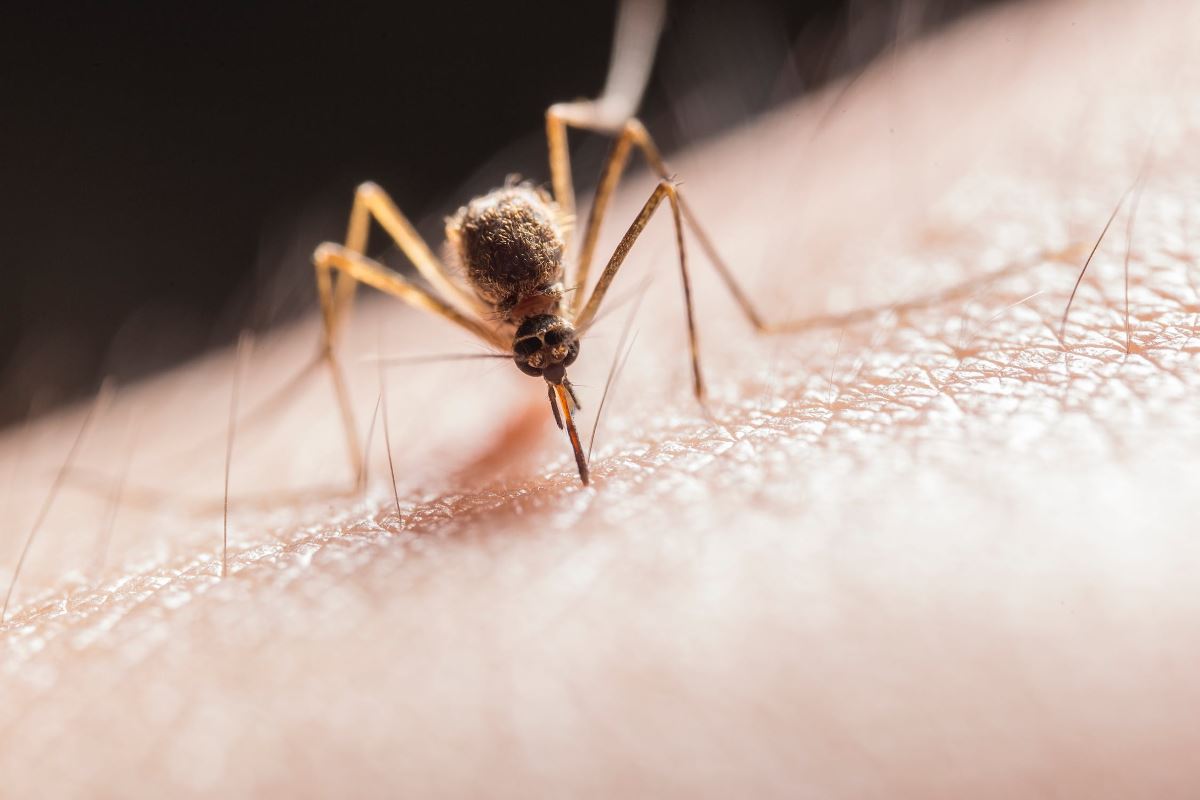
The most dangerous animal of all may be the one we barely notice. The mosquito, measuring only a few millimeters, is responsible for more than 700,000 deaths every year. For such a tiny creature, that figure is staggering.
The danger does not come from the mosquito itself, but from the diseases it can carry: malaria, dengue, chikungunya, yellow fever, Zika virus, and more. These illnesses cause enormous suffering, especially in tropical regions where access to healthcare is often limited.
Only the female mosquito bites, because she needs blood to nourish her eggs. When she feeds, she injects anticoagulant saliva into the skin, and that is when parasites and viruses can enter the body.
Ticks: small, silent, and highly dangerous

As someone who loves hiking in the forest with my dogs, I know these tiny arachnids all too well. Ticks may look harmless, but they can transmit Lyme disease, tick-borne encephalitis, and other serious infections.
They attach themselves to the skin and feed on blood for days if they are not removed. Because their bite is usually painless, they can go unnoticed for a long time, which makes them especially dangerous. That is why I always check both my animals and myself after every walk in nature.
Prevention is still the best defense: wear long clothing in wooded areas, use an appropriate repellent, and inspect your skin carefully when you get home.
Snakes: deadly beauty

Venomous snakes inspire both fascination and fear. The black mamba of Africa can kill a human in just 20 minutes with its neurotoxic venom. The king cobra, which can reach 5 meters in length, can raise a third of its body off the ground and spit venom more than 2 meters away.
Still, it is important not to let fear distort reality. Most snakes avoid humans and only attack when they feel directly threatened. Even venomous species generally prefer to conserve their venom for actual prey.
Christianne’s advice:
“If you see a snake while hiking, do not panic. Step back slowly without making sudden movements. In 99% of cases, it will leave on its own.”
Respecting wildlife instead of fearing it
Dangerous animals remind us of an essential truth: we share this planet with extraordinary creatures, each equipped with remarkable survival skills. Rather than demonizing them, we should learn to respect them and adjust our behavior when we enter their territory.
Nature is neither good nor bad. It simply exists. Accepting that reality allows us to live more safely and more peacefully alongside the wonders of the animal world, even the most formidable ones.
Have you ever had a memorable encounter with one of these animals?
latest posts published

Death and Inheritance Rights: Who Inherits Your Pet? What You Need to Know

Senior Dog Kibble: At What Age Should You Switch?

Which Dog Breeds Don’t Shed Hair?

Bringing Your Dog or Cat to the Casino: Is It Really Possible?

What Are the Most Beautiful Cat Breeds?

Why Does My Dog Close Its Eyes When I Pet Its Head?

How to Clean Your Cat’s Ears Without Stress

Sterilizing My Cat: The Real Pros and Cons

Is a Croissant Safe for Your Dog?