

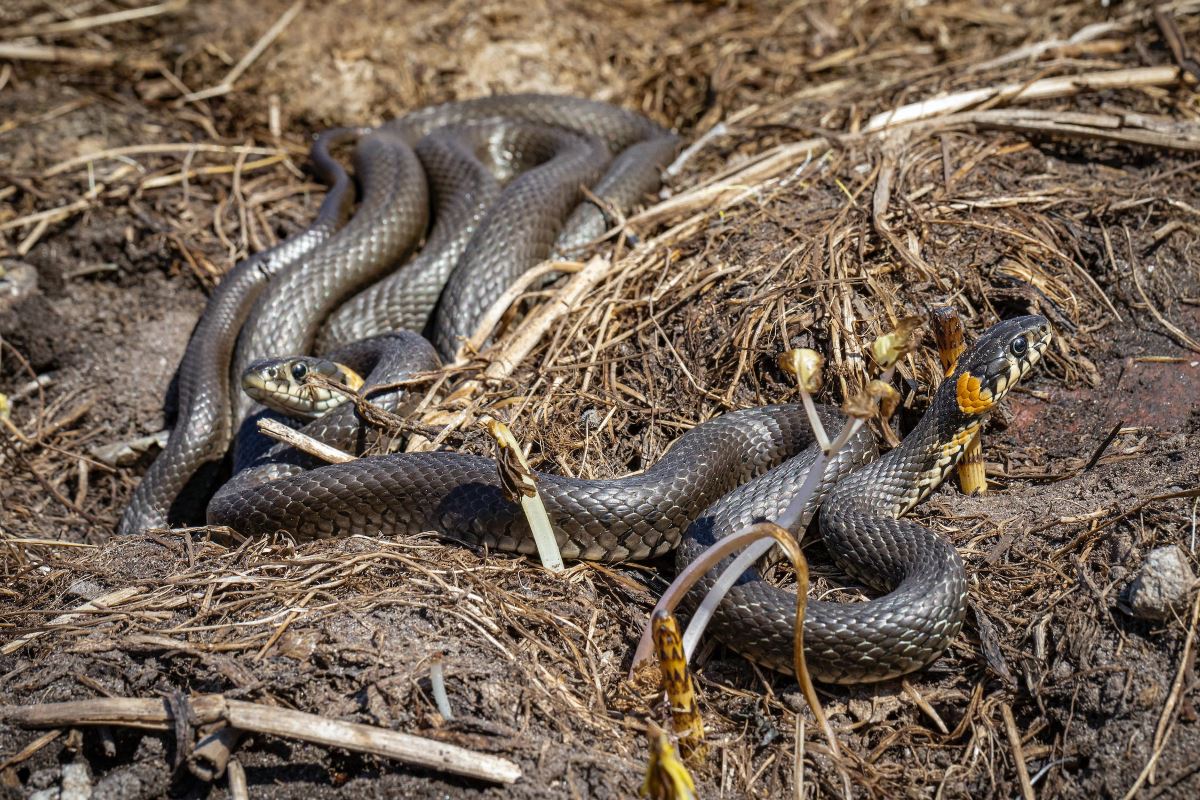
A faint hiss came from the tomato plants. My heart stopped when I noticed the sinuous shape sliding between the radishes — not a cobra after all, but a snake that had clearly been startled by my presence while hunting rodents.
As many people assume, snakes do not “move in” to gardens out of spite. They settle where the environment quietly gives them what they need: shelter, food, moisture, and safe routes of movement.
After studying snake behavior in different ecosystems, I now see every snake as an ecological signal. Their presence usually points to conditions in the garden that can be adjusted naturally, without upsetting the surrounding balance.
Here is how to make a garden naturally unattractive to snakes while still protecting local biodiversity.
The overlooked problem of accidental attraction
Most gardeners create snake-friendly conditions without realizing it. Certain features repeatedly stand out:
Common attraction factors by garden feature:
| Garden area | What attracts snakes | Risk level |
|---|---|---|
| Wet compost pile | Heat plus prey such as rodents | High |
| Dense, untrimmed hedges | Cover and hunting corridors | Medium |
| Standing water | Water source and amphibians | High |
| Rocks or stacked wood | Ideal conditions for thermoregulation | Very high |
These micro-habitats can turn an ordinary garden into a reliable route or resting place for reptiles. That is why some spaces seem to attract them again and again.
The observation that changed my understanding
“Look how she flees as soon as you move,” Jean-Pierre, an experienced herpetologist, told me while watching an asp viper disappear into the ferns.
The snake I had assumed was aggressive was actually frightened by my presence. It was trying to escape, trapped in my vegetable garden by the lack of clear exit routes.
That was when I understood that the most effective approach is not aggressive deterrence, but intelligent prevention: make the space naturally less appealing while preserving ecological balance.
My natural method, tested in the field
Snake-prevention checklist built into the ecosystem:
🐍 Remove hiding places: Trim regularly beneath hedges and clear away piles of cut vegetation.
🐍 Control moisture: Drain standing water and improve airflow in damp, shaded areas.
🐍 Manage prey: Protect compost and seeds to limit rodent populations.
🐍 Create barriers: Install smooth, tall edging, at least 30 cm high, around sensitive areas.
Taken together, these measures can greatly reduce snake sightings without harming biodiversity. In gardens I have worked with, the difference has been significant because the changes target the real causes of attraction rather than the animals themselves.
Did you know? The science of snake territory
“A snake found in a garden always indicates the presence of its preferred prey. Remove the food source, and the predator will leave on its own.” — Dr. Lemarchand, specialist herpetologist
Research in behavioral ecology shows that snakes often establish regular hunting routes. When those routes are disrupted by targeted environmental changes, they tend to look for other territories.
In practice, even simple disturbances can make a difference. Repeated vibrations — such as a weekly mower or frequent foot traffic — are often enough to reduce the sense of security that keeps snakes in place.
Three dangerous mistakes amateur gardeners make
Mistake #1: “Miracle” chemical repellents
It is easy to believe that commercial pellets will keep snakes away for good. In reality, they may also poison natural snake predators such as hedgehogs and birds of prey. That is one reason some “treated” gardens end up with even more rodents.
Mistake #2: Destroying every snake on sight
Some people kill any snake they see, assuming they are protecting their family. In fact, most European species are harmless and help control pests naturally.
Mistake #3: Turning the garden into a fortress
Fully fencing a garden against snakes can also block the movement of their natural predators. It may feel reassuring at first, but it can create new ecological problems.
Adapt your approach to your region
Keeping snakes away from a garden is a bit like conducting an ecological orchestra: each adjustment should fit the local environment.
Is your region a viper-prone area? Focus on removing sunny stone piles and brushy borders. It is also worth checking whether you can identify the three venomous species found in France.
Specific techniques by garden type:
- Mediterranean dry garden: Targeted watering, removal of rock gardens
- Oceanic humid garden: Drainage, heavy hedge trimming
- Mountain garden: Maximum exposure, removal of winter shelters
- Urban garden: Access control, preventive barriers
The goal is not to strip the garden of life, but to make it less inviting to snakes while leaving the wider ecosystem healthy and functional.
Make your garden naturally protected
The next time you plan your outdoor space, think in terms of ecological flow. Snakes follow fairly predictable territorial logic, and thoughtful garden design can influence where they choose to move, rest, and hunt.
Start by observing the garden during warm hours. Look for damp, shaded areas and natural corridors along walls, hedges, compost bins, or piles of materials. Those are the places most likely to need attention first.
From there, make gradual changes: reduce clutter, improve drainage, keep vegetation trimmed, and limit the food sources that attract rodents. These simple steps often do more than any product sold as a quick fix.
Protecting a family space and respecting nature are not incompatible goals. With the right habits, a garden can remain welcoming to wildlife in general while becoming much less attractive to snakes.
latest posts published

Dog Supplies: Essential Checklist Before Adoption (2026 Guide)
How to Understand Your Hamster’s Behavior

How to Feed an Unweaned Kitten –

Medium-Haired Cats: Breeds, Temperament, and Prices – Cat Breeds

When and How to Find an Emergency Veterinarian

Chocolate Labrador: This Secret Could Save Its Health

What Should I Do If My Dog Breaks a Leg?
The Modern Challenges Facing Farmers Today –

Healthy Dog: How to Spot the Key Warning Signs