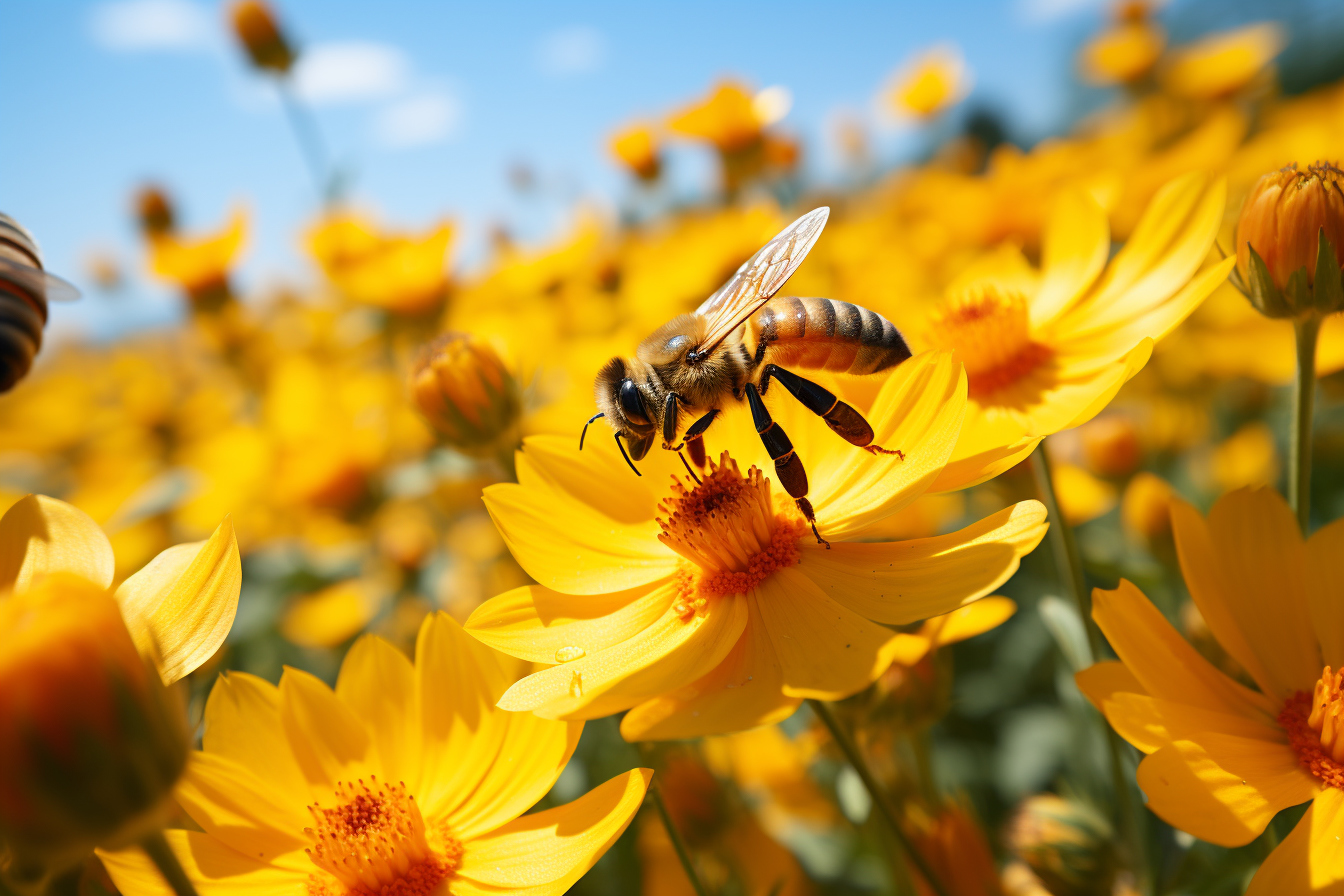
The sweet scent of lavender drifts through the warm July air. I walk toward my hive slowly, captivated by the constant movement around it. One bee lands on my hand—delicate, fleeting, and yet indispensable. How long will she live?
As many people assume, bees do not all live the same number of days. Learning that changed the way I think about my garden and about these remarkable insects.
The answer depends on the type of bee, the season, and the work she performs. Some bees survive only a few weeks, while others can live for months. Understanding that difference can also change the way we support them in a natural garden.
The mystery of changing lifespans
The first time I looked closely at my bees, I thought I had misunderstood what I was seeing. How could the differences be so dramatic?
| Type of bee | Summer lifespan | Winter lifespan | Main role |
|---|---|---|---|
| Summer worker | 6 weeks | – | Intensive foraging |
| Winter worker | – | 4-6 months | Colony survival |
| Queen | 2-5 years | 2-5 years | Egg-laying and reproduction |
| Drone | 8 weeks | Dies before winter | Reproduction |
Behind these numbers lies an ancient survival strategy. Summer bees wear themselves out through constant activity, while autumn bees are built to preserve energy and carry the colony through colder months.
The anecdote that changed everything
“Look closely at this bee,” André, the village beekeeper, once told me. “Her wings are worn, almost translucent at the tips. She’s probably in her last days.”
The remark stayed with me. How could such a small creature wear out its wings simply by flying? The answer became clearer when I did the math: during a short summer life, a worker bee may travel the equivalent of 800 kilometres.
“They die from exhaustion,” André added, with a hint of sadness. “Not from disease or an accident. Just from the weight of their mission.”
Did you know? A bee makes between 10 and 12 trips per day during peak season. On each outing, she visits 50 to 100 different flowers.
The hidden factors that affect their lifespan
My own observations have shown that several less obvious elements matter. Weather plays an important role: rainy summers can extend the lives of foraging bees because they reduce flight effort.
Checklist of influencing factors:
- ✅ Outdoor temperature (ideal: 18-25°C)
- ✅ Availability of nectar sources
- ✅ No pesticides in the surrounding environment
- ✅ Colony stress levels (parasites, disturbance)
- ✅ Genetics of the bee line
Nutrition is also decisive. A bee fed only sugar syrup lives 30% less time than a forager with access to varied nectar sources.
Details that books often leave out
My conversations with Marie-Claire, an organic beekeeper from the region, revealed some fascinating nuances:
“Urban bees often live longer than their rural cousins,” she explained. “Strange, isn’t it? But in cities, they can find flowers throughout the year thanks to public gardens and flowering balconies.”
Key figure: In a favourable urban environment, the lifespan of a worker bee can increase by 15 to 20% compared with the rural average.
That reality challenges many assumptions about pollution versus floral diversity.
The quiet art of helping them live longer
Watching my bees taught me a simple principle: create an environment where every effort has more value. Planting nectar-rich flowers in successive waves provides a steady food supply without exhausting the colony.
My own method? I built a “flowering calendar” spread over eight months. Crocuses in March, linden in June, ivy in October. Each season contributes something different.
This approach respects the bees’ natural rhythm. Instead of forcing them to travel long distances, it brings abundance closer to home. The result is stronger colonies and bees that appear to live noticeably longer.
Careful observation shows that bee longevity depends less on chance than on our ability to understand their essential needs. 🌸
Understanding them in order to protect them better
The lifespan of a bee tells the story of its environment. Every extra day represents thousands of flowers pollinated, fruit that will ripen, and seeds that will eventually sprout.
Creating a bee-friendly space is therefore an act of reciprocity: they provide pollination, and we give them a habitat that respects their biological rhythm.
Start small: a few lavender plants on a balcony, a flowering hedge in the garden, or simply leaving dandelions to bloom in spring. Simple gestures like these can add precious days to the lives of our foraging bees.
latest posts published
Pregnant Dog: How to Prepare for the Arrival of the Puppies?

Death and Inheritance Rights: Who Inherits Your Pet? What You Need to Know

Senior Dog Kibble: At What Age Should You Switch?

Which Dog Breeds Don’t Shed Hair?

Bringing Your Dog or Cat to the Casino: Is It Really Possible?

What Are the Most Beautiful Cat Breeds?

Why Does My Dog Close Its Eyes When I Pet Its Head?
How to Clean Your Cat’s Ears Without Stress

Sterilizing My Cat: The Real Pros and Cons