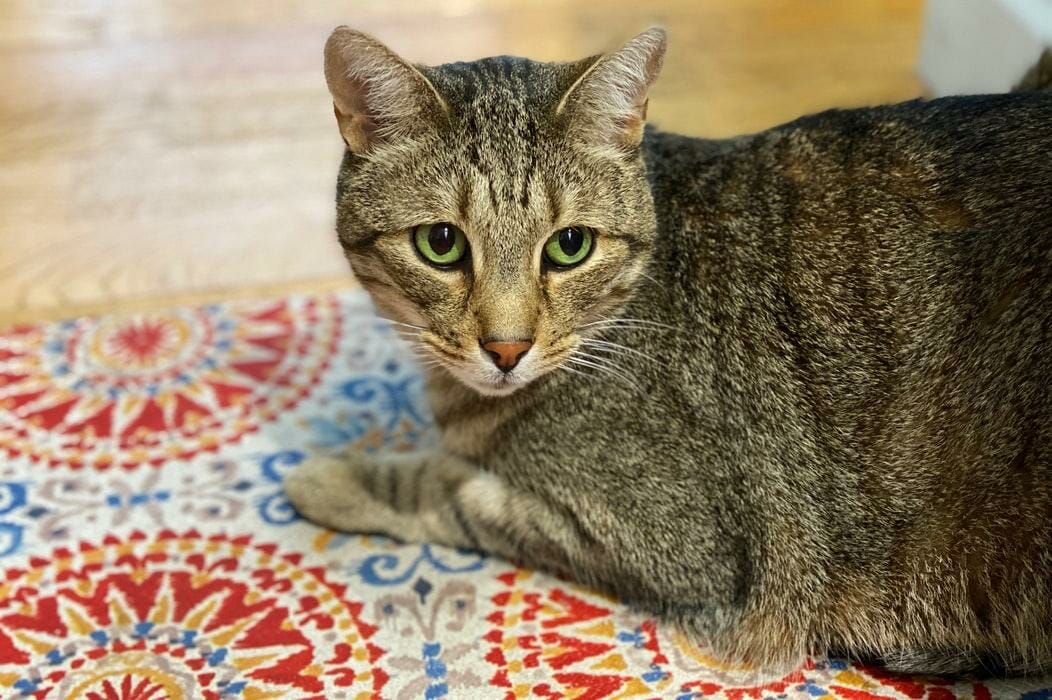

Many older adults think about adopting a pet, but are not always sure which animal would be the best fit. Before making that decision, it helps to look carefully at daily habits, physical abilities, living space, and the amount of time available for care. A companion animal can bring affection, comfort, and a reassuring sense of presence. It can also help reduce stress and encourage a more active routine. For seniors, the goal is not simply to adopt any animal, but to choose one that will be a good match for both the person and the pet. So which animal should you choose?
Choosing a dog as a senior
A dog can be a wonderful companion later in life. Dogs are known for their loyalty and affectionate nature, and they can also provide a sense of safety and purpose. Because most dogs need regular walks and playtime, they can encourage daily movement, which is often beneficial for seniors who want to stay active.
The key is to choose a dog that suits your lifestyle and energy level. Small breeds are often easier to manage, especially if walking long distances is difficult or if you live in a smaller home. A smaller dog is also less likely to pull hard on a leash or jump on people, which can be an important consideration for older owners.
Which dog breed is best for a senior?
There are many breeds to choose from, so it is important to think about how much space you have and how much care you can realistically provide. If you live in an apartment or a condo, a small breed such as a Chihuahua or a toy poodle may be a practical choice. These dogs generally adapt well to limited space and are easier to handle on a day-to-day basis.
If mobility is a concern, a smaller dog can also be easier to lift, groom, and transport to the veterinarian. On the other hand, if you are looking for a guard dog, a larger breed such as a German Shepherd or a Rottweiler may better suit that need, although these dogs usually require more time, strength, and experience.

Choosing a cat as a senior
Cats can also be excellent pets for older adults. In general, they require less day-to-day maintenance than dogs and are often content to relax at home for much of the day. They still offer companionship and affection, but usually without the same level of constant attention or outdoor exercise.
When choosing a cat, it is worth thinking about the kind of relationship you want. Some people prefer a cat that is independent and happy to do its own thing, while others want a more affectionate animal that seeks out company and regular interaction. The right choice depends on your habits, your home, and the type of companionship you are hoping for.
Which cat breed is best for a senior?
As with dogs, the best cat depends on your living situation and your needs. If you live in an apartment or a condo, a breed such as a Siamese or a Sphynx may be a good fit. These cats are generally manageable in smaller spaces and do not require a large home to be comfortable.
If mobility is limited, a smaller cat may also be easier to care for. If, however, you are looking for a more interactive and playful companion, a larger breed such as a Maine Coon or a Ragdoll may be a better option. These cats are often appreciated for their sociable personalities and their ability to form close bonds with their owners.

Other pets seniors can adopt
Dogs and cats are not the only animals that can make good companions for older adults. Many other pets can also fit well into a senior lifestyle, especially if low maintenance is a priority. Small animals such as rabbits, guinea pigs, and hamsters can be relatively easy to care for and may be a good choice for someone who wants companionship without the demands of a larger pet.
These animals can still provide warmth, routine, and emotional comfort. For seniors who would like something a little more active, birds can also be a rewarding option. They do need regular care and must be kept in a cage, but they can be entertaining, interactive, and enjoyable to observe.

The benefits of adopting a pet for seniors
For older adults, adopting a pet can be a meaningful way to improve quality of life. A companion animal can offer comfort, affection, and a dependable daily presence. For many seniors, simply having an animal nearby can make the home feel warmer, livelier, and less isolated.
Pets also encourage routine. Feeding, grooming, walking, and cleaning up after an animal create a structure that can be helpful in everyday life. That sense of responsibility can give older adults a renewed feeling of purpose, especially if they live alone or have fewer regular social interactions than they once did.
There are also broader well-being benefits. Having a pet is often associated with lower stress levels and may be linked with better mental and physical health. The companionship of a loyal animal can help reduce feelings of loneliness and may also support a more active lifestyle, depending on the type of pet chosen. For many seniors, the bond with a pet becomes a source of steady emotional support.
What seniors should consider before adopting a pet
Although adopting a pet in later life can be deeply rewarding, it is important to be honest about your needs and abilities. A pet should fit comfortably into your daily life rather than creating extra strain. Before making a decision, it is wise to think through the practical side of ownership and make sure you are ready for the commitment.
Useful questions to ask include:
- How much space do you have?
- Are you active enough for the pet you are considering?
- Do you have any allergies?
- What kind of personality are you looking for in an animal?
- How much time can you realistically dedicate to care and attention?
- Is your budget sufficient for food, veterinary care, and everyday needs?
Answering these questions honestly can make the choice much easier. It can also help prevent problems later, when the realities of feeding, cleaning, exercise, and medical care become part of everyday life. The best adoption decision is one that works for both the person and the animal.
It is also helpful to think beyond the first impression. A pet may seem adorable or appealing at first, but long-term compatibility matters more than appearance alone. Some animals need more activity, more grooming, or more patience than others. Seniors who want a calmer routine may prefer a pet with modest exercise needs, while those who remain very active may be happy with an animal that needs more engagement.
Another important point is planning for the future. A pet can live for many years, so it is worth considering whether your current lifestyle is likely to remain suitable. Choosing an animal whose needs you can meet consistently is one of the best ways to build a strong and lasting bond.
Adopting a pet can be one of the most rewarding choices a senior makes. Whether you choose a dog, a cat, or another companion animal, the most important thing is to select a pet that fits your home, your energy level, and your routine. With careful thought, it is possible to find a companion that brings joy, comfort, and real companionship for years to come.
latest posts published

Death and Inheritance Rights: Who Inherits Your Pet? What You Need to Know

Senior Dog Kibble: At What Age Should You Switch?

Which Dog Breeds Don’t Shed Hair?

Bringing Your Dog or Cat to the Casino: Is It Really Possible?

What Are the Most Beautiful Cat Breeds?

Why Does My Dog Close Its Eyes When I Pet Its Head?
How to Clean Your Cat’s Ears Without Stress

Sterilizing My Cat: The Real Pros and Cons

Is a Croissant Safe for Your Dog?