

Anyone who has ever lived with a cat knows how quickly they can reproduce. A female cat can have several litters of kittens each year, which can very quickly lead to overcrowding and unwanted births. Fortunately, there are several contraception options available for cats that can help prevent this problem. With so many choices on the market, though, how do you know which one is best for your feline companion? Below is a clear overview of the main methods and what each one involves.
The different contraceptive methods for cats
There are several possible approaches to contraception in cats, ranging from permanent surgical solutions to temporary hormonal methods and behavior-based management. Each has its own advantages, limitations, and level of effectiveness.
Surgical sterilisation
One of the most effective forms of contraception for cats is surgical sterilisation, also known as neutering or spaying. Spaying involves the surgical removal of a female cat’s ovaries and uterus, while neutering refers to the surgical removal of a male cat’s testicles. Both procedures are usually performed by a veterinarian and generally require only a short recovery period. Best of all, sterilised cats cannot reproduce, making this a straightforward solution for owners who do not want kittens.
Chemical sterilisation
Another contraception option for cats is chemical sterilisation. This method involves injecting the female cat with a hormone that prevents her from coming into heat and having kittens. It is not as permanent as surgical sterilisation, but it is much less invasive and typically does not cause negative side effects. The main drawback is that it must usually be repeated every six months to remain effective, which can make it more expensive over time.
Behavioural management
Some behaviour-based techniques can also be used as part of cat contraception. For example, keeping your cat indoors, where she cannot wander and mate with other cats, will prevent pregnancy. You may also be advised to provide a special diet that makes a female cat less likely to go into heat. However, these methods are not always reliable and should not be considered a primary form of contraception for female cats.
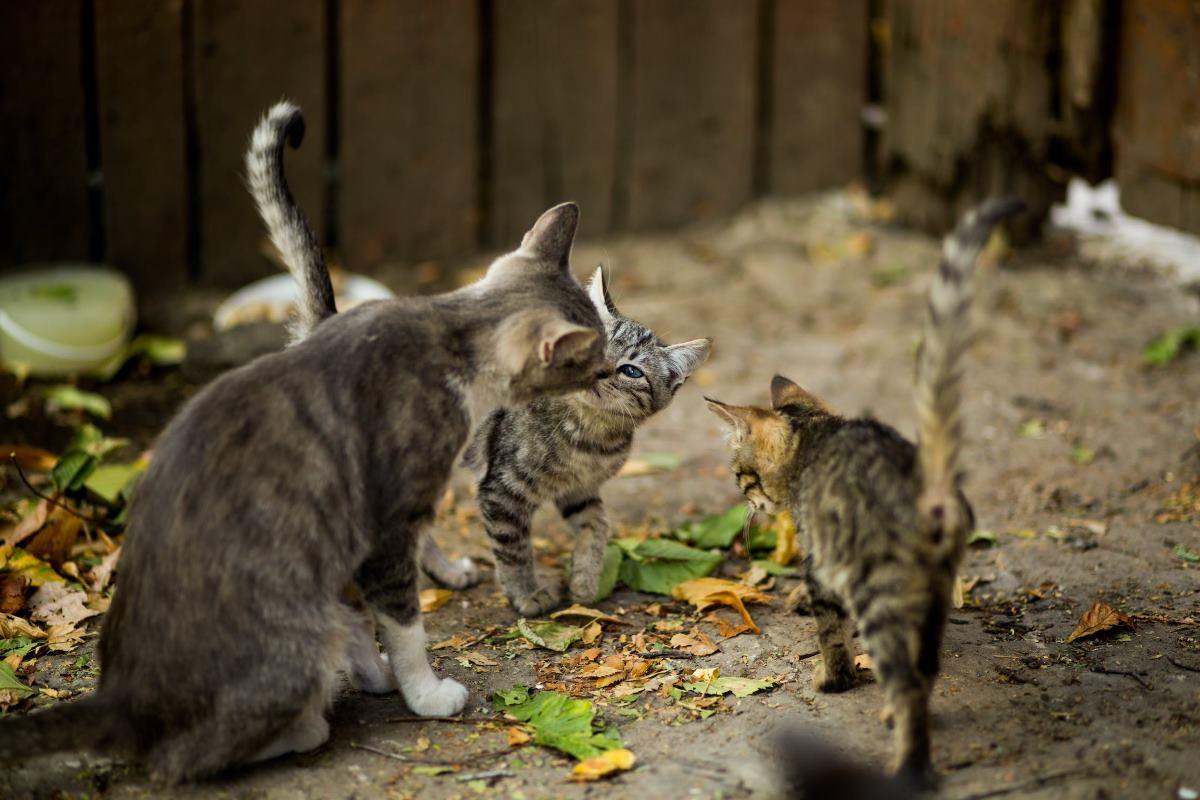
Why use contraception for my female cat?
Birth control for cats is a topic that often divides opinion. Some people believe all cats should be sterilised in order to reduce the number of homeless animals, while others feel that responsible pet ownership means controlling how many offspring an animal has. There are valid arguments on both sides, and in the end the decision depends on your personal situation. If you are a responsible owner and do not want your cat to have kittens, sterilisation may be the most suitable choice. If, on the other hand, you are comfortable with the idea of your cat producing a litter, you may choose not to use contraception at all. Whatever you decide, responsible care remains essential to keeping a pet healthy and happy.
When should it be done, and when is it necessary?
It is important to understand that the decision to use contraception for your female cat should be made in consultation with your veterinarian. Once a cat reaches sexual maturity, she may begin to have regular heat cycles. If you do not plan to breed kittens, you should consider sterilisation or another contraceptive option. These methods help prevent unwanted pregnancies and can also reduce certain aggressive behaviours. The right choice will depend on your cat’s habits and needs, as well as your own lifestyle. Working with a veterinarian helps ensure that the decision is well informed and that any procedure is carried out safely and effectively.
latest posts published

Pregnant Dog: How to Prepare for the Arrival of the Puppies?

Death and Inheritance Rights: Who Inherits Your Pet? What You Need to Know

Senior Dog Kibble: At What Age Should You Switch?

Which Dog Breeds Don’t Shed Hair?

Bringing Your Dog or Cat to the Casino: Is It Really Possible?

What Are the Most Beautiful Cat Breeds?

Why Does My Dog Close Its Eyes When I Pet Its Head?
How to Clean Your Cat’s Ears Without Stress

Sterilizing My Cat: The Real Pros and Cons