
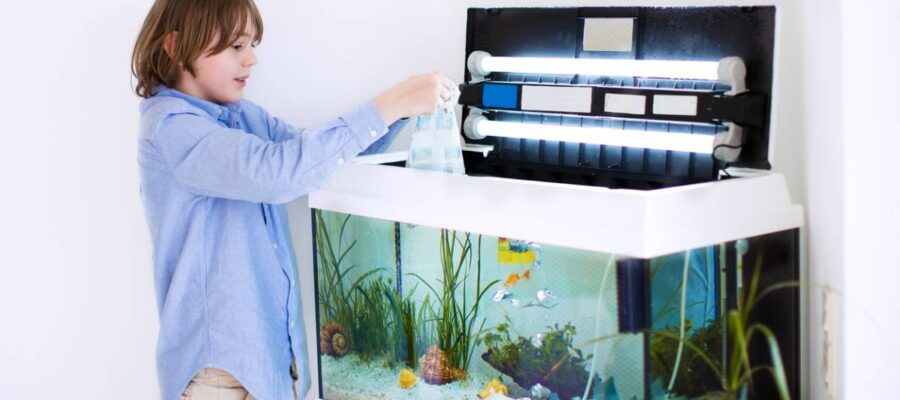
Aquarium keeping is a rewarding hobby for many people, but it takes more than simply placing fish in a tank. It requires preparation, patience, and a basic understanding of the aquatic environment. If you are thinking about getting started, a few practical guidelines can make the process much easier and help you avoid common mistakes.
The size of the aquarium: how much space do you have?
The first thing to consider is the space available in your home or office. Aquariums come in many sizes, so it is usually possible to find one that fits a small desk, a corner in a living room, or a larger display area. A compact 30-litre aquarium, for example, can work well in a workspace or other limited setting.
For a larger room, such as a spacious living room, a 500-litre aquarium may be a better choice. A bigger tank can offer more room for fish and decorations, but it also requires more planning, equipment, and maintenance. Once you know how much space you can dedicate to the aquarium, you can choose a model that suits both the room and the species you want to keep.
Selecting the fish: which species are compatible?
Choosing the right fish is one of the most important steps in setting up an aquarium. Some fish are solitary and prefer to live alone, while others are schooling species that feel more comfortable in groups. These fish need companions of the same type to behave naturally and stay healthy.
It is also essential not to mix harmless fish with predatory species. Even if two kinds of fish look similar in size, their behaviour may be completely different. Compatibility is not only about temperament; it also depends on the environment. For example, a saltwater aquarium cannot house freshwater fish. Some species thrive in smaller tanks, while others need significantly more room to move freely.
How do you keep your aquarium clean and healthy?
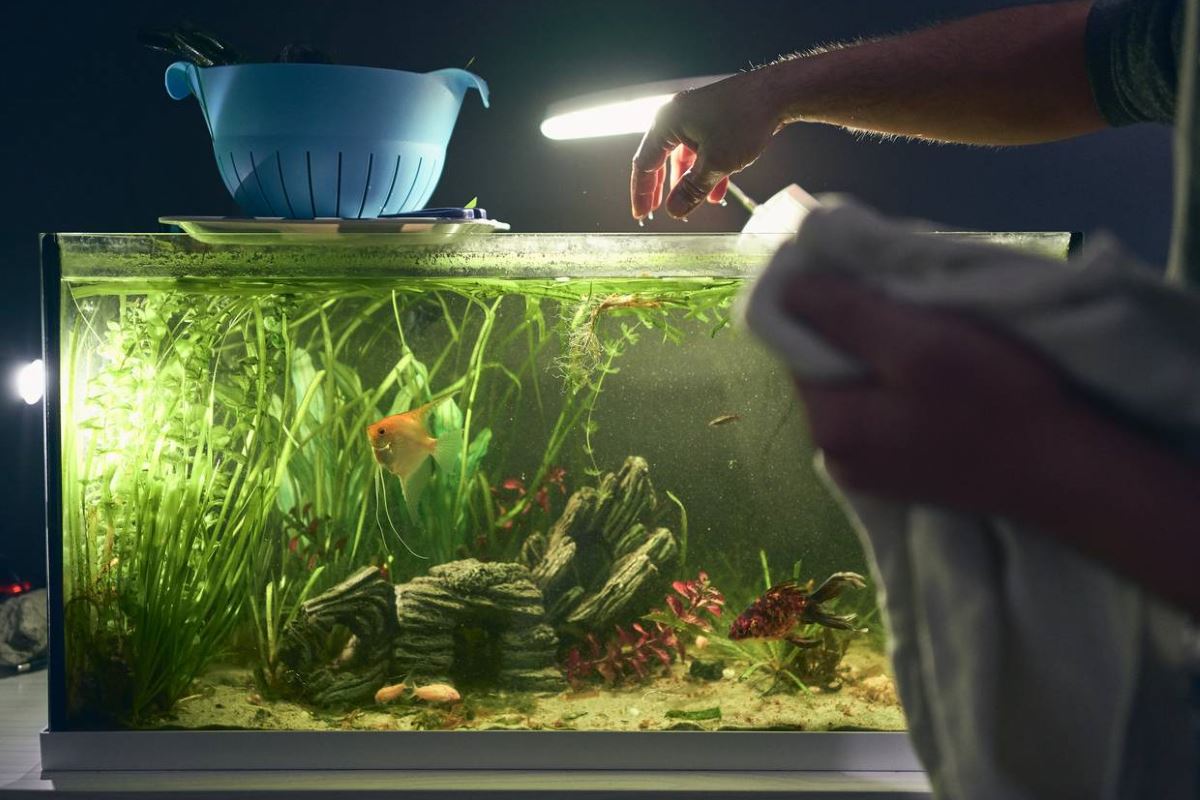
Regular cleaning is essential if you want to keep the water clear and the environment safe for your fish. Over time, algae, waste, and other debris can build up and affect water quality. A neglected tank can quickly become stressful or even dangerous for its inhabitants.
Start by removing the fish and placing them in a temporary container filled with aquarium water so they remain safe while you clean. Then empty the tank and wipe down the inside walls. If your aquarium has a filter, take it out and clean it with tap water. Finally, clean the gravel and decorative objects thoroughly with clean water to remove any accumulated dirt.
Keeping a routine is often the easiest way to stay on top of maintenance. A tank that is cleaned regularly is easier to manage and more stable for fish than one that is only cleaned occasionally after problems appear.
Personalise your aquarium with plants and rocks
Plants and natural rocks do more than decorate the tank. They can help create a more balanced environment and make the aquarium feel closer to the fish’s natural habitat. They also provide shelter, which is important because many fish like having hiding places where they can rest or feel protected.
In addition to their practical role, decorative elements give the aquarium character and make it more pleasant to look at. When choosing rocks, plants, and other accessories, make sure they are safe for aquatic life and will not damage the tank. If you are unsure what to buy, you can seek advice from a professional or look through books and specialised websites for ideas and examples.
Make sure your fish have what they need
Fish are sensitive animals, and small changes in their environment can affect their wellbeing. Light, temperature, water quality, and feeding all play an important role in keeping them healthy. Food should be selected carefully and should be specially formulated for fish, with the nutrients they need to stay in good condition. A balanced diet generally includes both animal and plant-based proteins.
Water care is just as important as feeding. The water should remain clean and free from harmful substances. Regular partial water changes and the use of a water filter help maintain a healthier environment. It is also wise to test the water from time to time to make sure its quality remains suitable for the species you keep.
What should you do if there is a problem with your aquarium?
If something goes wrong, the best approach is to act quickly and seek reliable advice. A professional can help identify the issue and suggest the right solution, especially if you are dealing with water quality problems, incompatible species, or equipment failure.
You can also learn a great deal from books, specialised resources, and online forums. These can be useful places to ask questions, compare experiences, and better understand how to care for your aquarium. The more you learn before and after setting up your tank, the easier it becomes to create a stable and enjoyable environment for your fish.
latest posts published

Death and Inheritance Rights: Who Inherits Your Pet? What You Need to Know

Senior Dog Kibble: At What Age Should You Switch?

Which Dog Breeds Don’t Shed Hair?

Bringing Your Dog or Cat to the Casino: Is It Really Possible?

What Are the Most Beautiful Cat Breeds?

Why Does My Dog Close Its Eyes When I Pet Its Head?

How to Clean Your Cat’s Ears Without Stress

Sterilizing My Cat: The Real Pros and Cons

Is a Croissant Safe for Your Dog?