Hunting is an ancient activity built on the partnership between people and their canine companions. Hunting dogs have been selected for centuries for their physical abilities, keen noses, and reliable temperaments. In this article, we look at several well-known hunting breeds and what makes each of them suited to the field.
What types of dogs are used for hunting?
German Shorthaired Pointer
Physical characteristics
The German Shorthaired Pointer is a medium-to-large dog, standing 55–65 cm at the shoulder. It has a short, dense coat, often solid brown or brown-and-white, and its long ears and athletic build give it an elegant but powerful appearance.
Abilities
This is a versatile dog, well suited to hunting small game on both land and in water. With exceptional scenting ability, it excels at finding and retrieving game. Its intelligence and willingness to work also make it a loyal family companion.
Purchase price and upkeep
A German Shorthaired Pointer typically costs between €800 and €1,200. Monthly upkeep is relatively affordable, at around €50 for quality food, plus annual veterinary expenses such as vaccinations and deworming. Hunting accidents can happen, so dog health insurance can help cover veterinary costs if something goes wrong.
Beagle
Physical characteristics
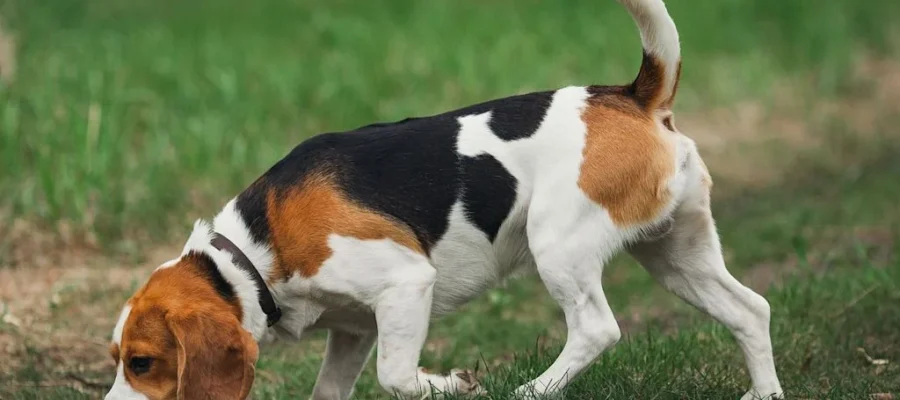
Small in size at 33–40 cm and weighing between 8 and 15 kg, the Beagle is a sturdy dog with a short tricolour coat of white, black, and brown. Its large eyes and floppy ears give it an especially friendly look.
Abilities
The Beagle is specialised in hunting rabbits and hares. Its sharp nose and stamina make it ideal for following scent trails over long distances. However, its stubborn streak means it needs firm but gentle training.
Purchase price and upkeep
A Beagle usually costs between €600 and €1,000. Monthly upkeep is around €40, mostly for food. Its appetite should be watched carefully, as it is prone to weight gain if its diet is not controlled.
English Setter
Physical characteristics
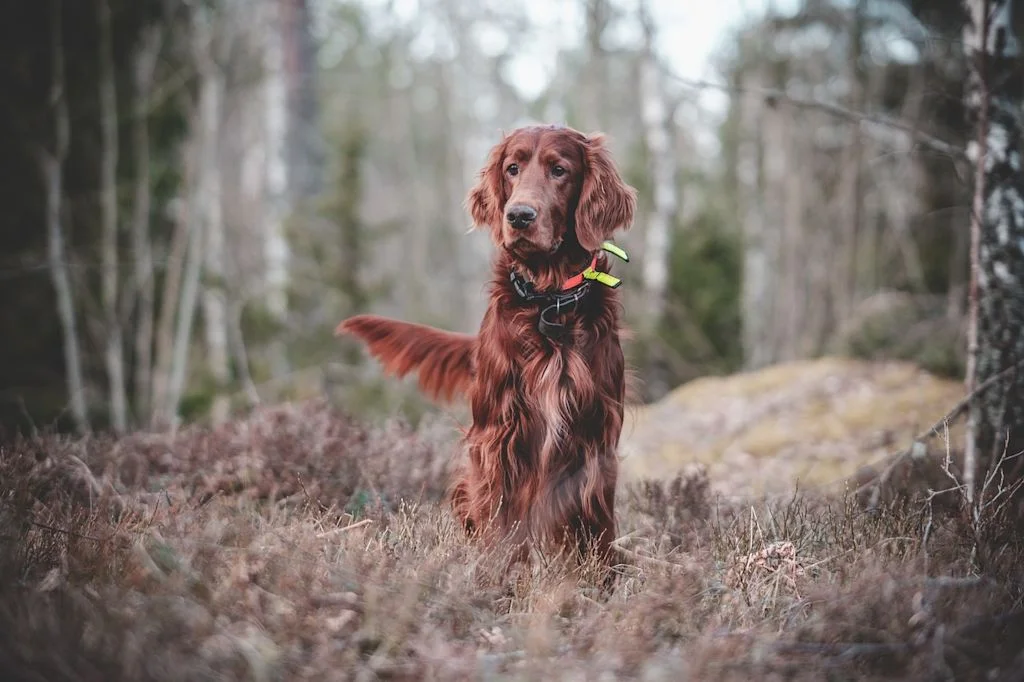
Standing 60–65 cm at the shoulder, with a medium-length, silky, mottled coat, the English Setter is one of the most graceful hunting dogs. Its feathered tail adds to its refined look.
Abilities
The English Setter is an expert in bird hunting. Fast and enduring, it is especially valued for its ability to locate game birds in difficult terrain. It is also an affectionate and sociable dog.
Purchase price and upkeep
An English Setter costs between €800 and €1,500. Monthly upkeep is estimated at around €60, including suitable food and the grooming needed to maintain its coat.
English Foxhound
Physical characteristics
Medium to large in size at 58–64 cm, the Foxhound is a muscular, hardy dog. Its short tricolour coat of black, white, and tan is easy to care for.
Abilities
Bred for pack hunting, especially fox hunting, the Foxhound has extraordinary stamina. Very sociable, it does best with other dogs and with an experienced handler who can channel its high energy.
Purchase price and upkeep
A Foxhound costs between €700 and €1,200. Its high energy needs require quality food, bringing monthly upkeep to about €70.
Labrador Retriever
Physical characteristics
A medium-sized dog at 54–57 cm, with a short, dense coat that is often black, chocolate, or yellow, the Labrador is sturdy and well proportioned. Its gentle expression and drooping ears make it especially appealing.
Abilities
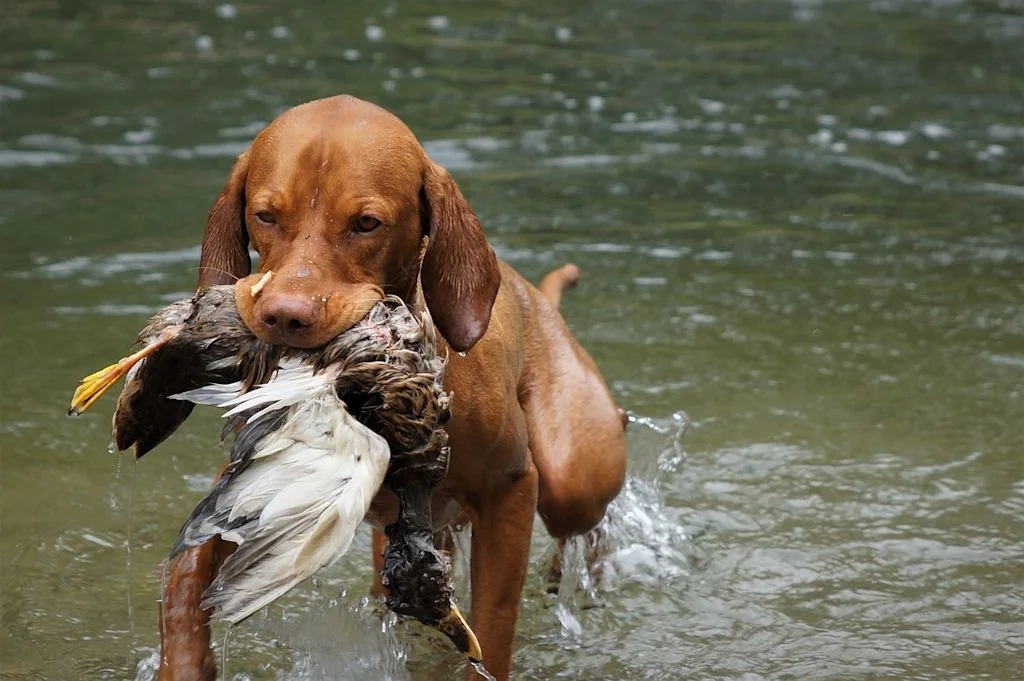
Although it is best known as a family dog, the Labrador, like its cousin the Flat-Coated Retriever, is also an excellent hunting dog, particularly for waterfowl. It is outstanding at retrieving thanks to its softness and careful mouth.
Purchase price and upkeep
A Labrador costs between €800 and €1,500. Its upkeep is fairly affordable, with an average monthly budget of €50. Weight control is important, however, because the breed is prone to obesity.
English Pointer
Physical characteristics
Athletic and elegant, the Pointer stands between 60 and 70 cm and weighs about 25–30 kg. Its short coat is often white with black, brown, or orange markings.
Abilities
The Pointer is a specialist in bird hunting. Its ability to point with remarkable precision to the location of game is unmatched. It is also known for its energy and stamina over long distances.
Purchase price and upkeep
A Pointer typically costs between €900 and €1,400. Monthly upkeep is around €60, including a protein-rich diet to support its intense activity.
Brittany Spaniel
Physical characteristics
Medium-sized at 46–51 cm and weighing 14–20 kg, the Brittany Spaniel has a medium-length coat, often white and brown or white and black. Its compact build and alert expression reflect its energy. It is sometimes confused with the French Spaniel.
Abilities
The Brittany Spaniel is a versatile hunting dog, capable of working both birds and ground game. It is valued for its obedience, speed, and ability to adapt to different terrains.
Purchase price and upkeep
Affordable and accessible, the Brittany Spaniel usually costs between €600 and €1,000. Monthly upkeep is economical, averaging €40 for food and care.
Dachshund
Physical characteristics
Recognisable by its short legs and long body, the Dachshund comes in three size varieties—standard, miniature, and kaninchen—and three coat types: short, long, and wire-haired. It measures around 20–30 cm and weighs 4–9 kg.
Abilities
The Dachshund is specialised in underground hunting, especially for flushing out foxes and badgers. Its determination and courage make up for its small size. It is also used for tracking and retrieving.
Purchase price and upkeep
A Dachshund costs between €700 and €1,200. Monthly upkeep is around €30–40, thanks to its small size and moderate appetite.
Choosing the right hunting dog depends on several factors:
- The type of hunting: If you hunt birds, choose pointing breeds such as the English Setter, the Pont-Audemer Spaniel, or the Brittany Spaniel. For game on the ground or underground hunting, breeds such as the Beagle, the Basset Artésien, or the Dachshund are ideal.
- The terrain: Hardy breeds such as the Foxhound or German Shorthaired Pointer are suited to difficult ground, while Labradors are ideal for water environments.
- Your experience: Some breeds, such as the Labrador, the Blue Picardy Spaniel, the Picardy Spaniel, or the Brittany Spaniel, are easier for beginners to train. Others, such as the Dachshund, require a more experienced hand.
- Your lifestyle: Make sure the dog you choose can fit into your daily routine, including exercise needs and the amount of space you have at home.
Advice from Santévet: Take time to learn about the different breeds before choosing a hunting dog. Even when all the breeds presented here are suitable for hunting, each dog has a very different temperament and skill set. For example, a Setter will not be as easy to train as a Labrador—and the two do not have the same hunting abilities at all.
Which hunting dog is easiest to train?
The Labrador Retriever is often considered the easiest hunting dog to train. Intelligent, docile, and eager to please, it quickly learns basic commands and specific hunting skills, especially retrieving. The Brittany Spaniel is also highly valued for its trainability, thanks to its attentiveness and cooperative nature. These breeds are particularly well suited to novice hunters.
- Develop the retrieving instinct: Use toys or light objects to encourage the dog to run after and bring them back. Praise it when it returns with the object.
- Train gradually: Start in simple environments, then add distractions and varied terrain.
- Use realistic objects: Move on to objects that resemble game, such as dummy ducks or feathered retrieves.
- Reinforce the “give” command: Teach the dog to place the object gently in your hand to avoid damaging game.
- Be patient and consistent: Repeat exercises regularly without pushing the dog too hard.
- Socialise early: Introduce the puppy to different environments and sounds so it does not become fearful.
- Work on scent tracking: Have it follow artificial trails using pieces of boar skin or entrails.
- Train it in a secure area: Gradually introduce it to enclosures containing wild boars so it can learn to track and stop them.
- Strengthen obedience: Commands such as “stop” and “heel” are essential for its safety during real hunting.
- Work with other dogs: Pack training is often necessary for this demanding type of hunt.
In the end, choosing a hunting dog means finding the breed that best matches your needs and lifestyle. Each breed has its own strengths, whether in working ability, temperament, or price. It is important to consider not only hunting performance, but also the dog’s everyday needs and how easily it will fit into your home.
latest posts published
Death and Inheritance Rights: Who Inherits Your Pet? What You Need to Know
Senior Dog Kibble: At What Age Should You Switch?

Which Dog Breeds Don’t Shed Hair?

Bringing Your Dog or Cat to the Casino: Is It Really Possible?

What Are the Most Beautiful Cat Breeds?

Why Does My Dog Close Its Eyes When I Pet Its Head?
How to Clean Your Cat’s Ears Without Stress

Sterilizing My Cat: The Real Pros and Cons
Is a Croissant Safe for Your Dog?