

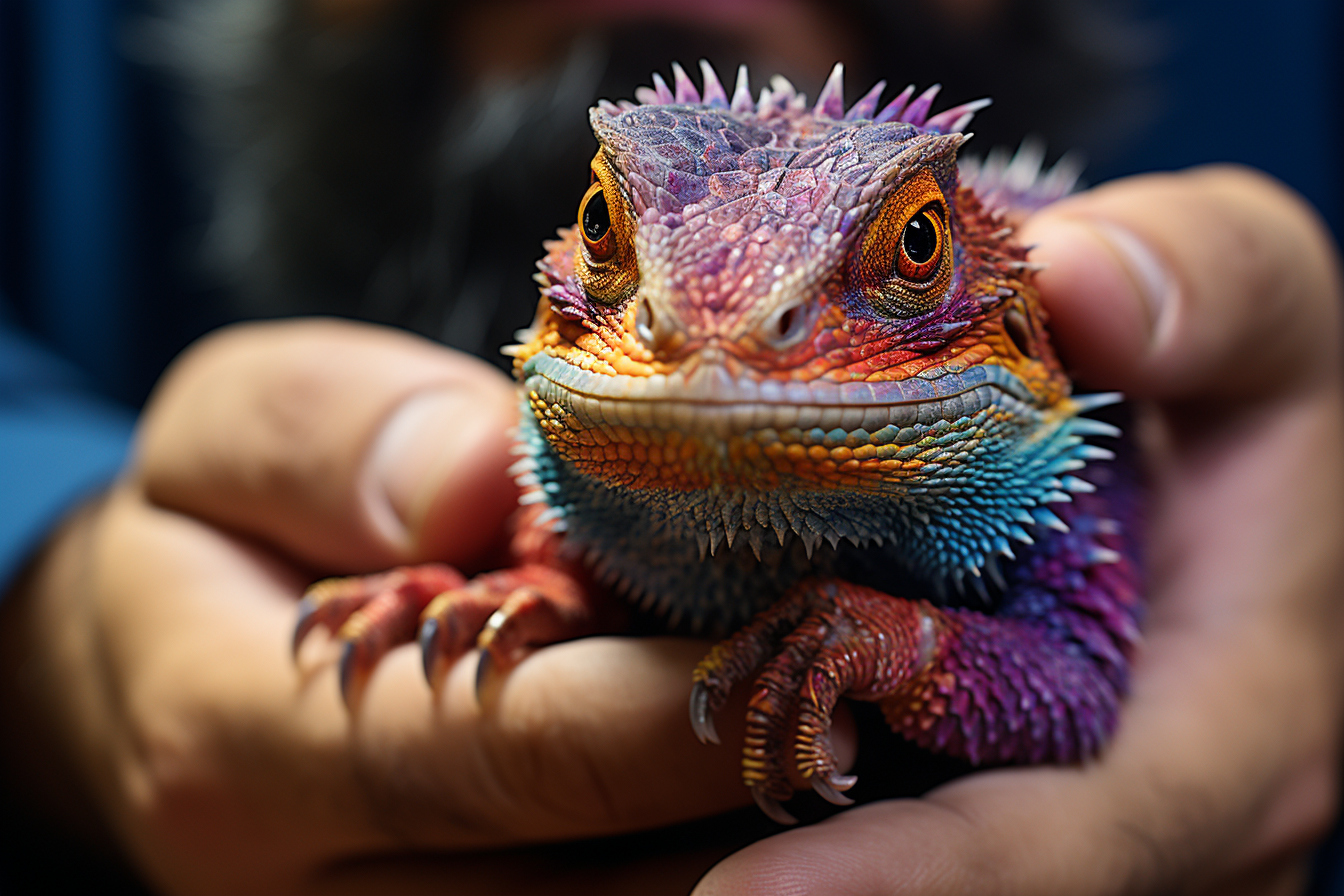
Yesterday, Sarah fell in love with a leopard gecko at a pet shop after meeting its hypnotic gaze. But when fascination turns into reality, bringing home a reptile takes far more than a sudden emotional impulse.
These shimmering, scale-covered animals are becoming increasingly popular with French families. Yet many adoptions go wrong because owners are not fully prepared. A poorly chosen terrarium, an imprecise diet, the wrong temperature or humidity levels — and a new companion can quickly end up stressed or unwell.
Understanding a reptile’s specific needs is the best way to avoid expensive mistakes and give your cold-blooded companion a healthy, comfortable life. If you are thinking about adopting one, a little planning will make all the difference.
Choose the right species for a first reptile
Not every reptile is equally suited to a first-time owner. The royal python may sound impressive, but it is generally calm and relatively easy to care for. The leopard gecko is another popular choice thanks to its hardiness and striking colours. The Hermann’s tortoise has an exceptional lifespan, but it also requires a commitment that can last for decades.
By contrast, green iguanas and monitor lizards are best left to experienced keepers. They are beautiful, but they demand advanced knowledge, more space, and a much higher level of daily care. For a first adoption, it is wiser to start with a species whose needs you can realistically meet.
Create a terrarium that meets its needs
A terrarium is much more than a container: it is the reptile’s entire world. Every species needs a suitable size, layout, and environment. A leopard gecko thrives in a minimum enclosure of 80x40x40 cm, while an adult corn snake needs at least 120x60x60 cm.
Lighting is just as important as space. UV light plays a key role in vitamin D3 synthesis, which helps reptiles process calcium properly. Without appropriate UVB exposure, bone disorders can develop quickly. A reliable UVB lamp is therefore a basic investment, not an optional extra.
Substrate, hiding places, climbing elements, and water access also matter. A good terrarium should not only look attractive, but also give the animal places to rest, explore, and regulate its behaviour naturally.
Control temperature and humidity carefully
Reptiles depend entirely on their environment to regulate body temperature. This is why a thermal gradient is essential: a warm area around 32°C and a cooler zone around 24°C allow the animal to move where it feels most comfortable.
Humidity requirements vary from one species to another. Boas generally prefer 60-70% humidity, while leopard geckos do better at 30-40%. A digital hygrometer and thermometer make it much easier to keep conditions stable and avoid unpleasant surprises.
These settings should be checked regularly, especially after changing the season, the room where the terrarium is placed, or any heating equipment. Small shifts in the environment can have a major impact on a reptile’s wellbeing.
Plan nutrition according to the species
Unlike dogs, which may eat almost anything offered to them, reptiles often have highly specialised diets. Leopard geckos enjoy crickets and mealworms, but calcium balance is crucial. Their prey should be dusted with a calcium supplement every other feeding to help support healthy bones.
Snakes eat far less often. For an adult royal python, one thawed mouse every two weeks is generally enough. Frozen-thawed prey is usually safer than live prey, which can injure the snake during feeding.
Feeding habits should always follow the species and the individual animal’s age, size, and condition. Overfeeding can be as harmful as underfeeding, especially in captive reptiles that do not burn energy in the same way as wild animals.
Plan for specialist veterinary care
Not every veterinarian is trained to treat reptiles. Before adopting, it is essential to identify a vet who works with NAC (Nouveaux Animaux de Compagnie). A check-up in the first few weeks can help detect parasites, feeding issues, or early signs of illness.
It is also wise to set aside a veterinary budget. A standard consultation may cost between 50 and 80€, with higher expenses in an emergency. Anticipating those costs is always better than being caught off guard later.
Because reptiles often hide symptoms until a problem is advanced, regular observation at home is important too. Changes in appetite, movement, shedding, breathing, or stool quality should never be ignored.
Respect the law and the rules that apply
Certain species require special authorisations. Reticulated pythons and Hermann’s tortoises, for example, require a declaration at the préfecture. It is important to check with your town hall or consult the official lists before bringing one home.
Buying from a registered breeder helps ensure traceability and confirms that the animal was obtained legally. Suspicious adverts and informal sales should be avoided, as the consequences can be serious if the acquisition does not comply with the regulations.
Legal responsibility is part of responsible ownership. In practice, that means verifying the species, keeping any required documents, and making sure the animal’s origin is beyond doubt.
Learn before and after adoption
With reptiles, learning never really stops. Specialised forums, reference books, and conversations with experienced keepers can all help you understand the species better. Each reptile has its own habits, sensitivities, and small surprises.
Good preparation helps prevent many beginner mistakes. It also makes the adoption smoother, less stressful, and more rewarding for both the keeper and the animal. The more you learn before adoption, the easier it becomes to respond correctly once the reptile arrives.
That knowledge should continue to grow over time. As your companion settles in, you will notice patterns in feeding, activity, shedding, and response to handling, all of which help you refine its care.
Enjoy a remarkable experience with confidence
Adopting a reptile can turn everyday life into a fascinating discovery. These discreet animals reveal a unique personality to anyone willing to observe them patiently. Their calm presence and intriguing behaviour create a very different relationship from the one people usually have with cats or dogs, but it can be just as meaningful.
As Gecko, my little golden-eyed companion, likes to say: “A happy reptile shines with a thousand reflections.” Whether your future pet has shimmering scales or a polished shell, careful preparation is what allows that beauty to truly flourish.
latest posts published

Death and Inheritance Rights: Who Inherits Your Pet? What You Need to Know

Senior Dog Kibble: At What Age Should You Switch?

Which Dog Breeds Don’t Shed Hair?

Bringing Your Dog or Cat to the Casino: Is It Really Possible?

What Are the Most Beautiful Cat Breeds?

Why Does My Dog Close Its Eyes When I Pet Its Head?
How to Clean Your Cat’s Ears Without Stress

Sterilizing My Cat: The Real Pros and Cons

Is a Croissant Safe for Your Dog?