
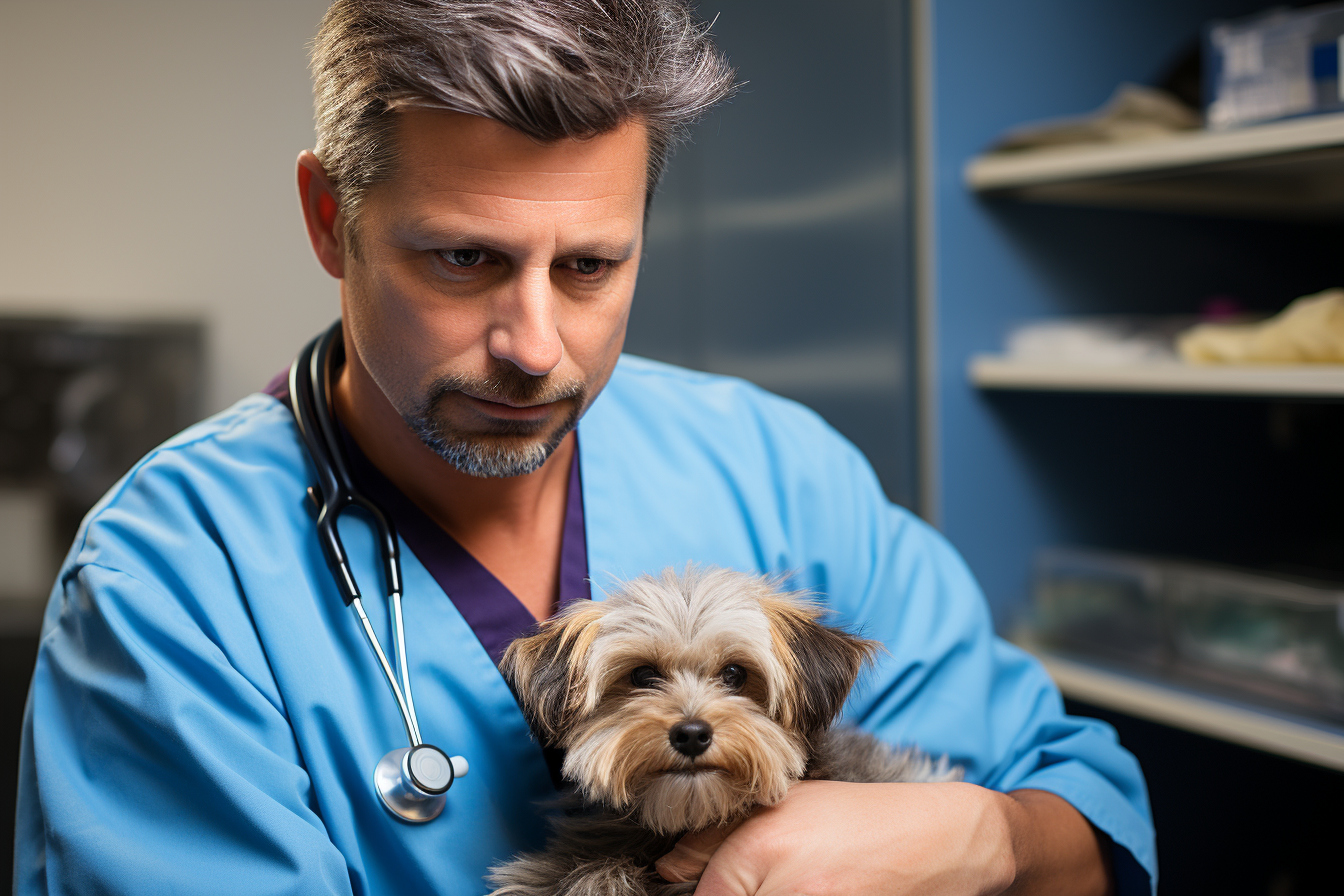
It was 11:30 p.m. when Luna, my golden retriever, suddenly started vomiting uncontrollably. Panic hit immediately. With clinics closed and my nerves fraying, I spent a miserable night trying to figure out what to do. That experience taught me something I will never forget: in a veterinary emergency, every minute matters, and preparation can make all the difference.
If you share your life with an animal, there is a good chance you will face a veterinary emergency at some point. According to the statistics, 1 in 3 pet owners deals with an emergency situation involving their animal every year. Knowing how to respond quickly and calmly can protect your pet and, in some cases, save its life.
My experience with veterinary emergencies
That night, I made nearly every mistake a worried pet owner can make. I started by “Googling” Luna’s symptoms and lost 20 valuable minutes scrolling through vague advice. Then I called three closed clinics before finally reaching the nearest emergency service.
My biggest mistake? I gave Luna a human anti-vomiting medication because I thought I was helping. The veterinarian on duty explained that some human medicines are toxic to dogs and can make the situation worse. That was a hard lesson, but an important one.
Since then, I’ve learned that panic is your worst enemy in an emergency. I now keep a clear action plan, emergency numbers, and the nearest clinics saved in advance. When something happens, there is no time to improvise.
The essential guide to handling a veterinary emergency
How to recognise a real emergency
Some symptoms require immediate veterinary care. Do not wait to “see if it passes” when you notice any of the following:
- Difficulty breathing or extreme panting
- Repeated vomiting or vomiting blood
- Seizures or loss of consciousness
- Open wounds or heavy bleeding
- Ingestion of poisonous substances
- Sudden abdominal swelling
Did you know? Gastric dilatation-volvulus, often called bloat, can kill a dog in less than 6 hours if it is not treated.
The first steps that can help save your pet
| Situation | Immediate action | What to avoid |
|---|---|---|
| Bleeding | Apply pressure with a clean cloth | Using cotton, which can stick to the wound |
| Vomiting | Remove food and water | Giving human medication |
| Seizures | Move dangerous objects away | Putting your hand in the mouth |
| Poisoning | Contact a poison control centre | Making the animal vomit without medical advice |
These basic actions do not replace veterinary care, but they can help prevent the situation from getting worse while you prepare to leave for the clinic.
Your veterinary emergency kit
It is worth assembling a small emergency kit and keeping it in an easy-to-reach place. A prepared kit saves time and helps you stay focused when stress is high.
- Sterile compresses and bandages
- Rectal thermometer
- Needle-free syringe for giving prescribed medication
- Emergency veterinary phone numbers
- Health record and recent prescriptions
If you travel frequently with your pet, consider keeping a second kit in the car with the essentials you may need on the road.
What I wish I had known before my first emergency
Three mistakes to avoid at all costs
Mistake 1: Downplaying the symptoms
“It might be nothing” can be a dangerous thought. When in doubt, get professional advice. A needless trip is far better than leaving an animal in distress.
Mistake 2: Searching for solutions online
Dr Google is not a veterinarian. Forums and websites cannot replace a proper examination, and they can cost you precious time when minutes matter most.
Mistake 3: Panicking and passing that stress on
Animals sense our anxiety. The calmer you are, the safer your companion will feel during transport and treatment.
Three practical insider tips
Tip 1: Prepare for transport in advance
Keep a clean blanket in your car at all times. For smaller animals, a carrier helps reduce stress and makes the veterinary exam easier and safer.
Tip 2: Record the symptoms
If your pet has seizures or unusual behaviour, take a short video on your phone if you can do so safely. This can give the veterinarian valuable information that is hard to describe later.
Tip 3: Write down the time and context
When did the symptoms begin? What was your pet doing before they started? Did anything unusual happen beforehand? These details can be crucial for diagnosis.
My recommended emergency resources
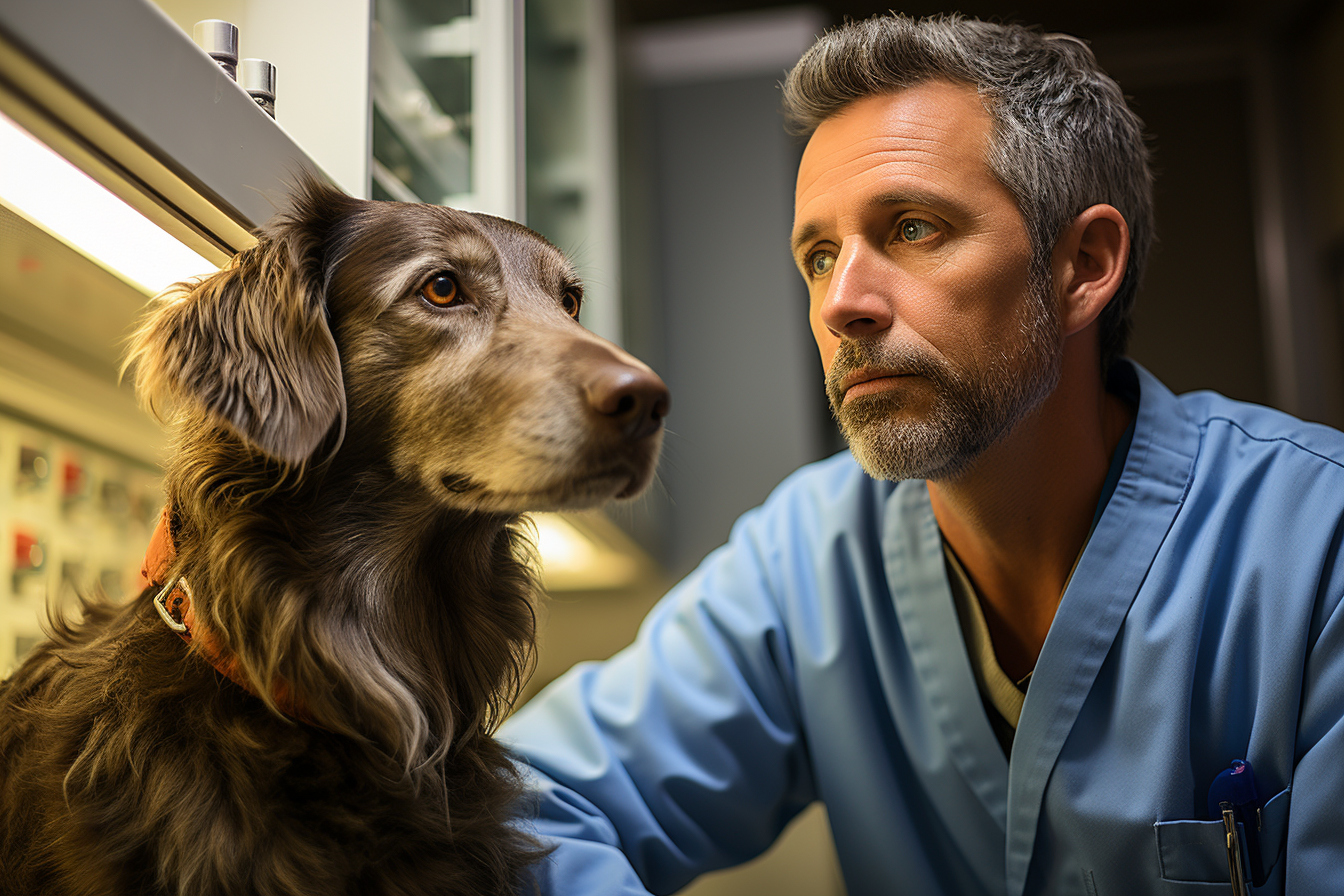
Since Luna’s episode, I have identified every emergency clinic within a 20 km radius. VetUrgence, the clinic in my city, has been outstanding: open 24/7, staffed by skilled professionals, and transparent about its fees, which are clearly displayed at the entrance.
Timing tip: Emergency clinics are usually less crowded between 2 a.m. and 6 a.m. If your pet’s condition allows for it, that can be the best window to reduce waiting time.
Clinique des Pins also offers a free telephone advice service that has already saved me two unnecessary trips. Their on-call veterinarian assesses the situation over the phone and tells you whether you need to come in immediately.
Building your emergency plan
Pre-emergency timeline: what to do now
Week 1: List every emergency clinic within a 30 km radius
Week 2: Put together your veterinary emergency kit
Week 3: Save all important numbers in your phone
Week 4: Do a practice drive to the nearest clinic
This kind of preparation may feel unnecessary when everything is fine, but it becomes invaluable the moment an emergency begins.
Specific equipment depending on your animal
For dogs: A safety muzzle, because even the gentlest dog may bite when in pain
For cats: A carrier is essential, since a frightened cat can slip away quickly
For exotic pets: A portable oxygen box if your animal has respiratory problems
Useful tools to have on hand
A mobile app such as “VetUrgence” can help you locate nearby open clinics and may even show estimated waiting times.
A GPS collar can also be extremely useful if your pet runs off after an accident or during a frightening event.
If you have more than one pet, it is a good idea to keep each animal’s records organised separately so you can grab the right information quickly in an emergency.
Acting fast can save a life
A well-managed veterinary emergency can turn a potential tragedy into a frightening but survivable event. Luna is perfectly fine today thanks to fast and professional care.
Have you prepared your own veterinary emergency plan yet? The work you do today could make all the difference tomorrow, when every second counts.
latest posts published
Dog Supplies: Essential Checklist Before Adoption (2026 Guide)

How to Understand Your Hamster’s Behavior

How to Feed an Unweaned Kitten –

Medium-Haired Cats: Breeds, Temperament, and Prices – Cat Breeds
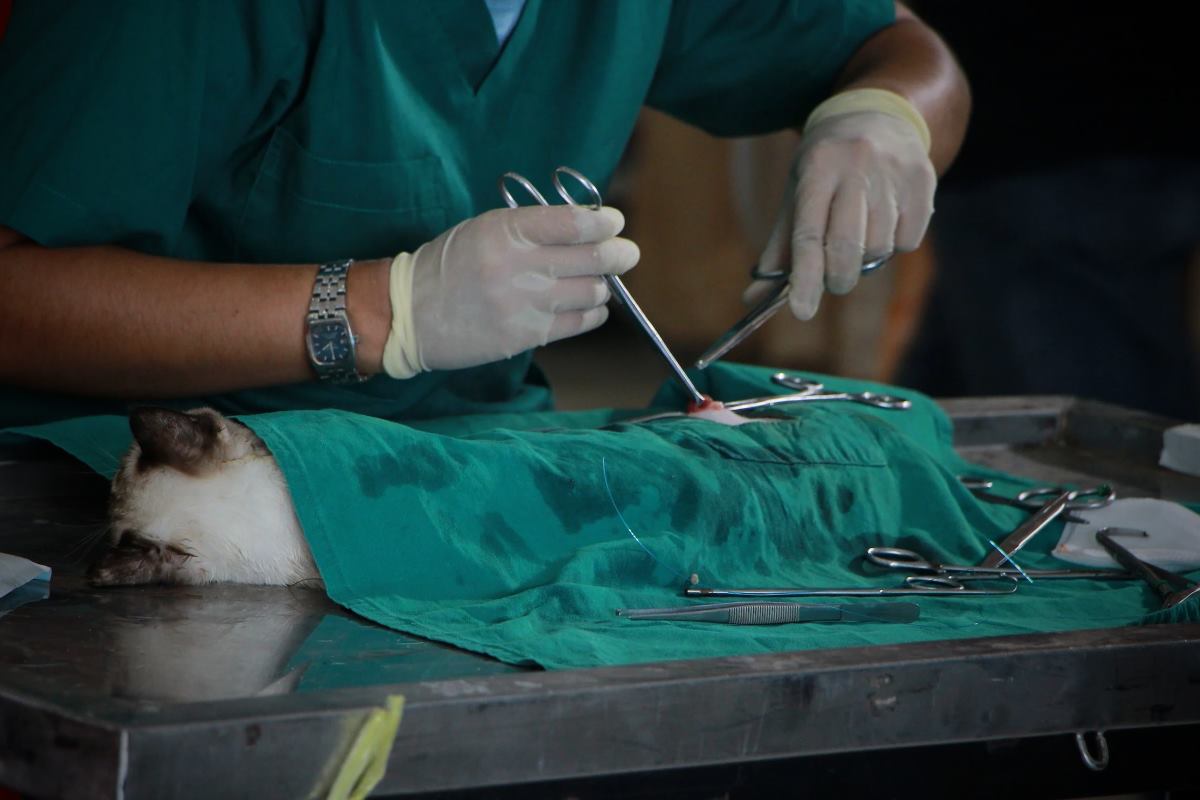
When and How to Find an Emergency Veterinarian

Chocolate Labrador: This Secret Could Save Its Health

What Should I Do If My Dog Breaks a Leg?
The Modern Challenges Facing Farmers Today –
Healthy Dog: How to Spot the Key Warning Signs