
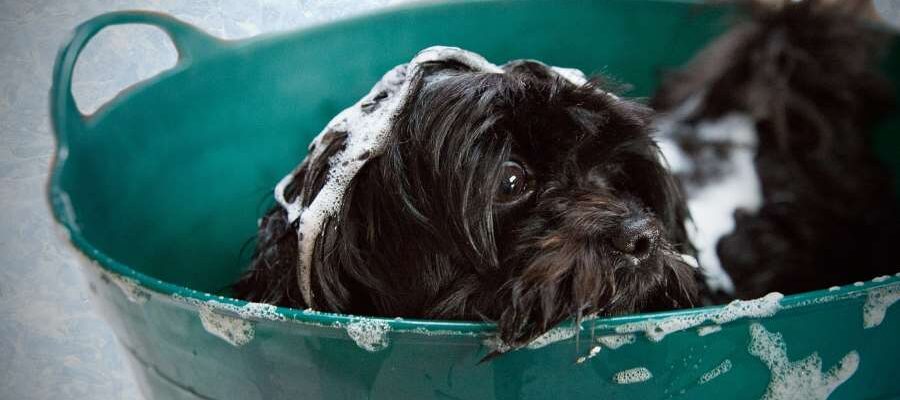
Yesterday, Caramel came back from his walk looking more like a wild boar than a golden retriever. Tangled fur, nails clicking on the tile floor, and a strong marsh-like smell included at no extra charge. That is usually the moment when pet owners ask the real question: does this animal really need grooming, or can it stay completely natural?
Pet grooming tends to divide people. For some, it feels like an annoying expense and a chore. For others, it is a genuine moment of bonding. In reality, grooming is not just about appearance. It plays a real role in comfort, hygiene, and overall health.
Understanding the benefits of regular grooming means giving your companion healthier skin, better mobility, and a better chance of avoiding unpleasant and unexpected trips to the veterinarian.
So, if you are ready to turn an “obligation” into a routine that can actually feel enjoyable, here is what matters most.
Why grooming is about much more than appearance
A well-groomed dog may look adorable for five minutes on social media, but neglecting basic hygiene can lead to much bigger problems. Skin irritation, ear infections, and overgrown nails can all affect your pet’s comfort and, in some cases, turn simple daily movements into a source of pain.
When Pixie, my cocker spaniel, developed knots behind her ears, I thought it was only an aesthetic issue. But the veterinarian later found hidden irritation that had been bothering her for weeks. What looked minor on the outside was already causing real discomfort.
Once I started brushing her regularly, the nighttime itching and constant scratching stopped. Pixie sleeps peacefully now, and so do I.
5 reasons to groom your pet regularly
A healthier coat and skin
Regular brushing removes dead hair, helps stimulate blood circulation, and spreads the coat’s natural oils more evenly. The result is a cleaner, shinier coat and skin that can breathe more easily, with less risk of irritation.
Early detection of health problems
Every grooming session is also a small health check. Lumps, parasites, cuts, sensitive areas, or unusual skin changes are often easier to notice when you are touching and inspecting your pet carefully. Small problems are much easier to address when they are caught early.
Prevention of infections
Cleaning the ears, trimming the nails, and brushing the teeth where needed can help limit the buildup of bacteria. These simple gestures can reduce the risk of ear infections, painful walking caused by overgrown nails, and dental problems that may become serious if ignored.
A stronger emotional bond
Grooming creates a special moment of contact and trust between you and your animal. Over time, your pet learns that being handled is not something to fear. That makes future care easier, whether it is brushing, nail trimming, or a veterinary examination.
Better daily comfort
Properly trimmed nails, detangled fur, and healthy paws all contribute to better comfort and mobility. A pet that feels physically comfortable is often calmer, more active, and generally happier in everyday life.
How to groom your pet the right way
If you are just starting out: Keep the first sessions short, around 5 to 10 minutes, and reward your pet often. The goal is to build confidence gradually. Let your animal get used to each gesture little by little rather than trying to do everything at once.
The ideal rhythm: Short-haired pets usually benefit from weekly brushing, while long-haired coats often need attention 2 to 3 times a week. Ear cleaning and nail trimming are generally done monthly, depending on the animal’s needs and tolerance.
What you need: Use a brush suited to your pet’s coat type, a good-quality nail clipper, and a gentle ear-cleaning solution if needed. Above all, patience matters just as much as the tools.
When to call a professional: If your pet is very anxious, has severe tangles, or needs a particular cut, a professional groomer can make the process safer and less stressful. This is especially useful when home grooming becomes too difficult or uncomfortable for the animal.
How to turn grooming from a chore into a pleasant routine
The secret is to associate grooming with positive experiences from an early age. Treats, calm praise, gentle handling, and a soft voice all help your pet understand that these moments are safe. The more relaxed the experience feels, the easier it becomes to repeat it regularly.
A pet that feels secure during grooming is also usually more cooperative during veterinary visits and other routine handling at home. That kind of trust does not happen overnight, but it is built through consistency and a calm approach.
And if Caramel had to sum it up after a brushing session, he would probably say that a silky coat is worth every compliment at the park. For many pets, grooming may never become a favorite activity, but it can become a familiar one, and that is often enough to make it manageable, useful, and even pleasant.
latest posts published

Pregnant Dog: How to Prepare for the Arrival of the Puppies?

Death and Inheritance Rights: Who Inherits Your Pet? What You Need to Know
Senior Dog Kibble: At What Age Should You Switch?

Which Dog Breeds Don’t Shed Hair?

Bringing Your Dog or Cat to the Casino: Is It Really Possible?

What Are the Most Beautiful Cat Breeds?

Why Does My Dog Close Its Eyes When I Pet Its Head?
How to Clean Your Cat’s Ears Without Stress

Sterilizing My Cat: The Real Pros and Cons