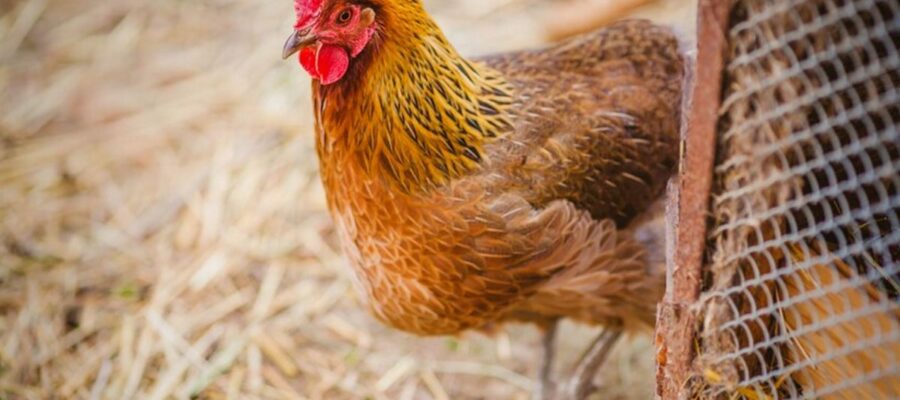
The smell of damp straw and the unusual silence in the henhouse caught my attention one January morning. My hens, usually so noisy, were huddled together with their feathers raised. Contrary to popular belief, it is not the cold alone that kills hens in winter, but moisture combined with draughts.
After losing three hens during my first winter as an amateur keeper, I learned how to read their real needs. Hens can cope with sub-zero temperatures, but not with stale air or wet bedding.
Here are the practical methods that have helped me get through winter without stress, whether you keep two hens or twenty.
Why Poor Winter Preparation Becomes Dangerous
| Temperature | Real danger | Common mistake |
|---|---|---|
| -5°C | Draughts | Sealing everything shut |
| 0°C | Frozen ground | Neglecting the bedding |
| 5°C | Trapped moisture | Heating the coop |
The main problem is that protection is often confused with confinement. Hens still need fresh air in winter, just as they do in any other season.
My Beginner’s Disaster
“They’re going to die of cold!” I exclaimed when I saw my Sussex hens under the snow. I immediately installed a heat lamp and blocked every opening.
The result was three sick hens in one week. Madame Rousse, my favourite, showed signs of breathing distress. The vet explained where I had gone wrong: confined air encourages illness, and artificial heat weakens their natural resilience.
That painful lesson taught me that hens are hardier than many people think.
My Winter Protection Method
Here is the checklist I have tested over three harsh winters:
Smart ventilation: I keep the high vents open and close the lower ones. Air circulates without creating direct draughts across the hens.
Deep bedding: I use about 15 cm of wood shavings or straw, changed every week. The hens scratch through it and generate warmth through movement.
Richer feed: I increase sunflower seeds and corn by 20%. The extra fat helps them maintain body temperature.
Liquid water at all times: I rotate two drinkers, keeping one inside to stay unfrozen while the other is outside.
Did you know? A healthy hen can tolerate temperatures as low as -15°C as long as there are no direct draughts on her body.
Local Tricks I Discovered Along the Way
In my area, experienced keepers use a clever trick: they hang hot-water bottles inside wool socks. This gives off gentle warmth for about four hours without creating any fire risk.
Marie, my seventy-something neighbour, told me: “My grandmother always said that a happy hen in winter is one that can move and breathe.”
I also learned how to recognise the signs of hypothermia: a pale comb, trembling, and isolation from the group. In that case, I bring the weakened hen inside temporarily.
Key figure: 80% of winter losses are caused by respiratory illness, not by direct cold.
The Small Adjustment That Changes Everything
My secret? I treat each hen like a small athlete preparing for winter. Starting in October, I gradually increase their exposure to the cold so their bodies can adapt naturally.
This approach led me to a more respectful way of keeping chickens: support their resilience rather than trying to replace it. My hens are now tougher and live longer.
Winter has become just another season, one that reminds me to observe their behaviour and trust the fact that nature has already provided most of what they need. The key is to listen.
My Three Golden Rules for a Calm Winter
After these experiences, three principles now guide how I protect my hens in cold weather: ventilate without chilling, feed without overfeeding, and protect without imprisoning.
Your hens will repay you with vitality and, from February onward, with a return to laying. A hen that has been well cared for through winter is a productive hen in spring.
Watch closely, adapt when needed, and trust their age-old instincts. Winter is only a pause before the warmer days return.
latest posts published

Death and Inheritance Rights: Who Inherits Your Pet? What You Need to Know

Senior Dog Kibble: At What Age Should You Switch?

Which Dog Breeds Don’t Shed Hair?

Bringing Your Dog or Cat to the Casino: Is It Really Possible?

What Are the Most Beautiful Cat Breeds?

Why Does My Dog Close Its Eyes When I Pet Its Head?
How to Clean Your Cat’s Ears Without Stress

Sterilizing My Cat: The Real Pros and Cons

Is a Croissant Safe for Your Dog?