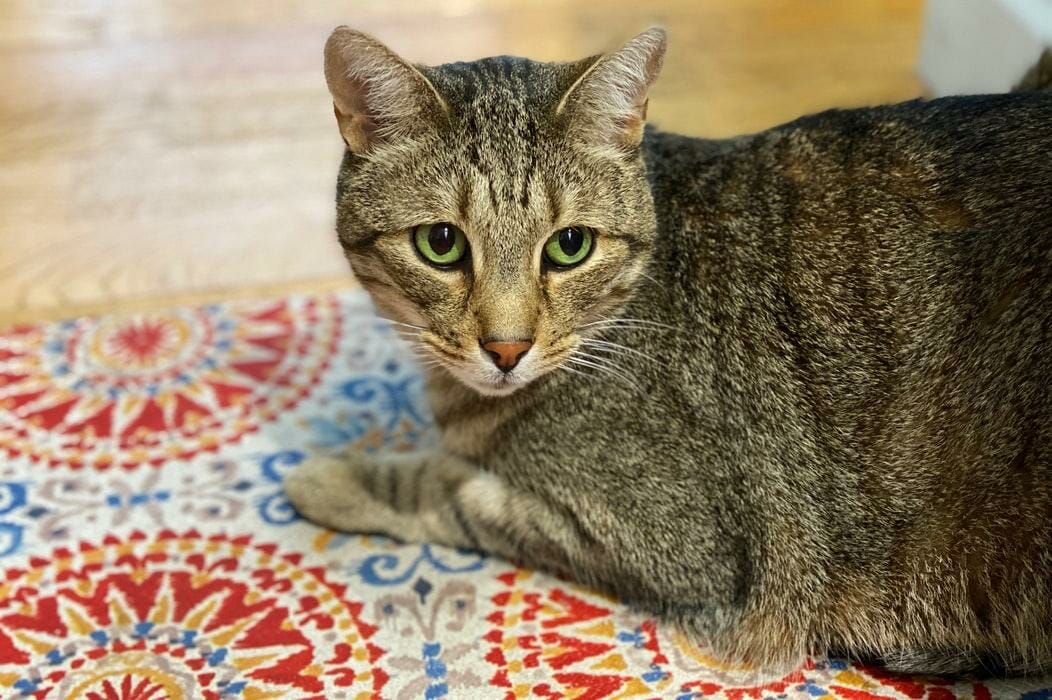

After a costly veterinary appointment for my cat, Moustache, I found myself in an unexpectedly practical conversation with my vet. She mentioned, almost in passing, that some pet owners try to take out more than one insurance policy for the same animal. That detail stuck with me. Is it allowed? Does it actually help? And if the idea has crossed your mind, you are certainly not the only one asking.
Many cat owners want to make sure their pet is well protected, especially as veterinary bills continue to rise. It is easy to see why the idea of combining two policies might sound reassuring at first glance. But once you look more closely, the picture becomes much less simple. In most cases, having multiple pet insurance contracts is not the smart shortcut it may appear to be.
Understanding pet insurance rules
In France, there is no specific law that formally forbids taking out several insurance policies for the same animal. In purely technical terms, that means you could sign two separate contracts with two different insurers. But legal permissibility is only part of the story.
Pet insurers have developed systems designed to spot overlapping coverage. They often compare records and cross-check information when a claim is filed. This kind of monitoring exists for a straightforward reason: to prevent insurance fraud. If an owner tries to hide another policy, the situation can quickly become serious.
That does not mean every case of duplicate coverage is automatically illegal. The key issue is transparency. Insurance contracts are based on declarations made by the policyholder, and any omission can affect how a claim is handled later.
The financial and legal risks
Taking out two pet insurance policies without telling either insurer can create major problems. If one company later discovers that another contract already exists, it may consider the omission to be a false declaration. In that case, the insurer can declare the policy void, refuse reimbursement, and even ask for money that has already been paid out.
Even when both policies are declared honestly, there is no way to profit from the arrangement. Pet insurance does not work like a way to make money from illness or injury. The principle of indemnity applies: reimbursement is meant to cover real costs, not to exceed them. If your veterinary bill is 800 euros, you cannot receive 1,600 euros simply because two insurers are involved.
In practice, insurers coordinate so that the total compensation never goes beyond the actual expense. If one insurer pays first, the second may only intervene if there is a legitimate balance left to cover under the terms of the contracts. That is why double coverage rarely produces the benefit people imagine.
Did you know?
When duplicate coverage is declared, the older policy is usually the first to respond, while the second may only act as a supplement if needed.
Smarter alternatives to multiple policies
Rather than managing two contracts for the same cat, it is usually better to focus on improving the quality of a single policy. The first step is to compare offers carefully. Not all pet insurance plans cover the same things, and a policy that looks attractive on price alone may not offer enough protection when you actually need it.
If your current plan feels too limited, upgrading it is often the most practical solution. Many insurers offer higher-tier formulas with better reimbursement ceilings, broader coverage, and more useful options. This can be far more effective than trying to split coverage across two insurers and then dealing with the paperwork, uncertainty, and possible disputes that come with that choice.
Another useful strategy is to build a dedicated emergency fund for veterinary care. Setting aside a small amount each month gives you a financial cushion for expenses that are not fully covered, such as deductibles, exclusions, or treatments that exceed your policy limits. In many cases, this combination of a solid insurance plan and a modest savings reserve is more reliable than multiple overlapping contracts.
My experience with Moustache’s insurance
When I first adopted Moustache, I chose a basic insurance plan because I assumed an indoor cat would be relatively low-risk. That assumption did not hold up for long. His first episode of kidney failure cost more than 800 euros in a single week, and that was enough to change how I viewed pet insurance entirely.
Instead of looking for a second policy, I took the time to assess what Moustache really needed based on his age, breed, and lifestyle. That made it much easier to see where the limits of my original plan were too restrictive. I then discussed the situation with my insurer and moved to a better formula. The result was far more useful than trying to stack contracts in the hope of getting broader protection by accident.
“The best insurance for your cat is the one that truly fits its needs, not necessarily the most expensive one or the one with the most layers.”
How to protect your cat without unnecessary complications
If your goal is to give your cat reliable protection, the best approach is usually to strengthen one well-chosen policy rather than multiply contracts. A good cat insurance plan should ideally cover both accidents and illnesses, and it may also include preventive care depending on the insurer and the formula you choose.
Before signing, take time to review the waiting periods, exclusions, reimbursement rules, and annual caps. These details matter far more than flashy marketing promises. A policy that looks generous on paper can still leave you exposed if the conditions are too restrictive.
It is also worth discussing options with your current insurer before changing providers or adding another contract. Some companies are willing to adapt their plans to keep an existing customer. That can give you better protection while avoiding the legal and administrative complications that come with duplicate coverage.
In the end, peace of mind comes from clarity. Your cat deserves protection that is effective, transparent, and fully compliant with the rules. That is usually far more valuable than trying to outsmart the system with two policies that may end up causing more problems than they solve.
latest posts published

Death and Inheritance Rights: Who Inherits Your Pet? What You Need to Know
Senior Dog Kibble: At What Age Should You Switch?

Which Dog Breeds Don’t Shed Hair?

Bringing Your Dog or Cat to the Casino: Is It Really Possible?

What Are the Most Beautiful Cat Breeds?

Why Does My Dog Close Its Eyes When I Pet Its Head?
How to Clean Your Cat’s Ears Without Stress

Sterilizing My Cat: The Real Pros and Cons

Is a Croissant Safe for Your Dog?