
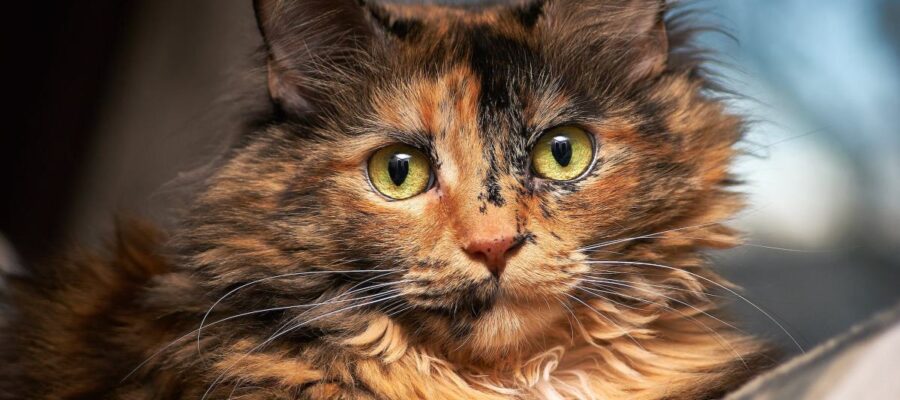
A tortoiseshell cat is a cat whose coat is made up of black, brown, and orange patches. These cats are often female, although male tortoiseshells do exist. The name comes from the resemblance of the coat to a turtle shell. But what about their personality, their care needs, their lifespan, and more? Here is everything worth knowing about this distinctive type of cat.
All About Tortoiseshell Cats
Tortoiseshell cats stand out from other cats in several ways. Below are the main traits that make them so distinctive.
Appearance
Tortoiseshell cats are generally medium to large in size, and their short coats are easy to maintain. As their name suggests, their fur is marked with black and brown patches, sometimes mixed with orange or cream, creating the mottled look associated with a turtle shell. Because of this striking appearance, tortoiseshell cats are often simply called “torties.”
Personality
Tortoiseshell cats are often described as spirited and independent. They are not usually the type to spend the entire day curled up in your lap. That said, a more reserved nature should not be mistaken for lack of affection. Torties can be deeply loving and loyal companions. They often build strong bonds with the people in their household and tend to enjoy playtime. If you are looking for a cat with personality, energy, and a playful streak, a tortoiseshell cat may be an excellent fit.
Health Issues
Unfortunately, tortoiseshell cats can be prone to certain health problems. For example, they have a higher risk of developing feline lower urinary tract disease, or FLUTD. This condition can lead to a range of urinary problems, including difficulty urinating and bloody urine. If you notice any signs that your tortie may be affected by FLUTD, take her to a veterinarian right away, as this condition can be very painful.
Diet and Lifespan
Tortoiseshell cats are usually medium to large in size and can live up to 15 years with proper care. When it comes to food, they are not especially fussy, but they do need a diet rich in protein. As for exercise, torties enjoy playtime like any other cat, although they do not typically require as much activity as some of the more energetic breeds.
Care
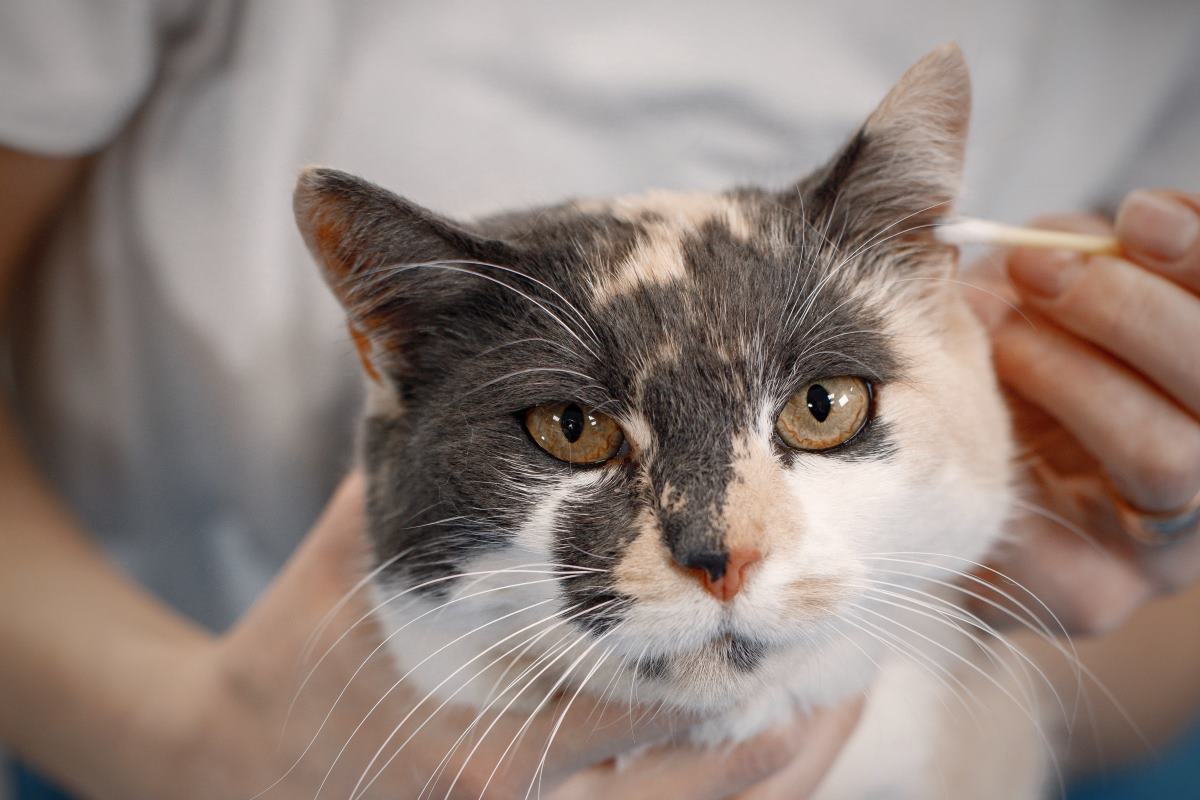
In terms of care, it is important to brush your tortoiseshell cat regularly to prevent tangles and matting. These cats also need their nails trimmed and their ears cleaned on a regular basis. Overall, tortoiseshell cats are relatively easy to care for and can make a wonderful addition to any home.
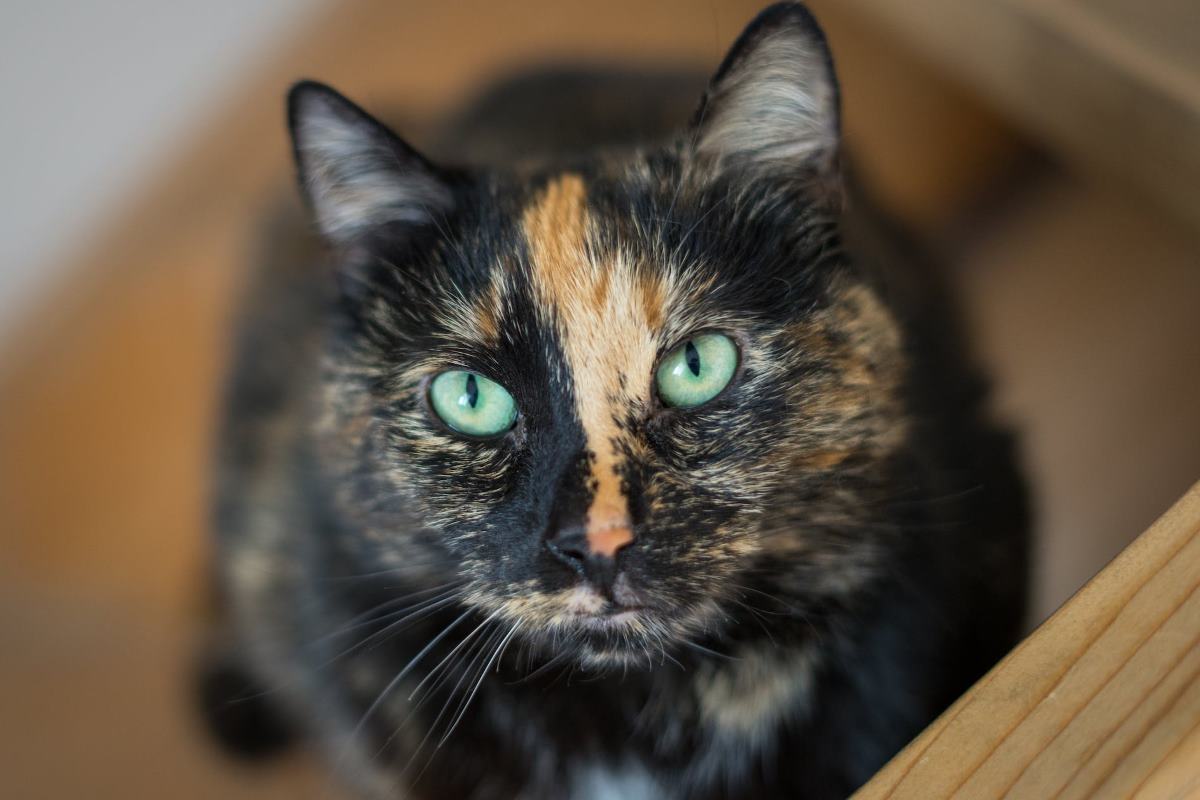
Why People Love Tortoiseshell Cats
Although there are many kinds of cats, tortoiseshell cats offer something especially distinctive. One of their biggest strengths is their affectionate nature. They often enjoy being around people and may follow their owner from room to room. They are also known for being quite vocal, and their meows can be especially endearing.
Another advantage is their lively, playful side. Torties often love chasing toys, exploring their surroundings, and staying busy. Their bold personalities make them memorable companions. Whether you are hoping for a cat that enjoys cuddling or one that likes to play, a tortoiseshell cat can be a wonderful choice.
Final Thoughts
Could a tortoiseshell cat be the right pet for you? These beautiful cats can be excellent companions for families looking for an active, playful animal with plenty of personality. Just keep in mind that they may need a little more attention than some other cats because they can be more vulnerable to certain health issues.
latest posts published

Pregnant Dog: How to Prepare for the Arrival of the Puppies?

Death and Inheritance Rights: Who Inherits Your Pet? What You Need to Know

Senior Dog Kibble: At What Age Should You Switch?

Which Dog Breeds Don’t Shed Hair?

Bringing Your Dog or Cat to the Casino: Is It Really Possible?

What Are the Most Beautiful Cat Breeds?

Why Does My Dog Close Its Eyes When I Pet Its Head?
How to Clean Your Cat’s Ears Without Stress

Sterilizing My Cat: The Real Pros and Cons