
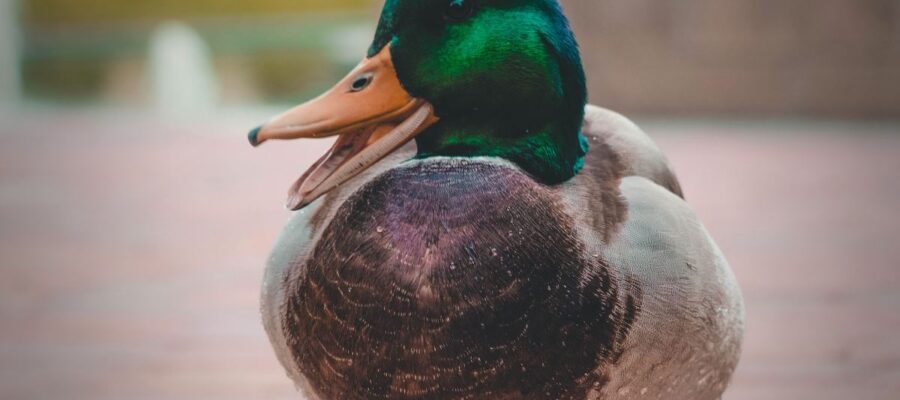
The short answer is that they are trying to communicate with other ducks. But there is more to it than that. Ducks use a range of sounds for different purposes, and when you hear them calling loudly at night, they are usually reacting to something in their environment or interacting with one another.
Ducks are social animals that often live in groups, which means communication is essential to them. Their vocalizations are not random noise. Instead, each sound can serve a different purpose, from attracting a mate to warning the flock about danger. Some of the loudest calls are especially noticeable during the breeding season, but ducks may also become vocal when they are stressed, irritated, or startled.
Understanding these sounds can help explain why a duck may seem unusually noisy after dark. Night-time calling does not necessarily mean something is wrong. In many cases, it simply reflects the fact that ducks remain alert and responsive to their surroundings even when people are trying to sleep.
Why do ducks cry out?
Ducks generally cry out during the mating season to attract partners. A louder call can help a duck stand out and be noticed by potential mates. These vocalizations are part of how ducks compete for attention and signal their presence to others nearby.
Ducks may also cry out when they are angry or frustrated. If a duck feels threatened, it may produce a sharp, forceful call to warn the rest of the flock that there could be danger. In this way, vocal communication helps ducks stay coordinated and alert as a group.
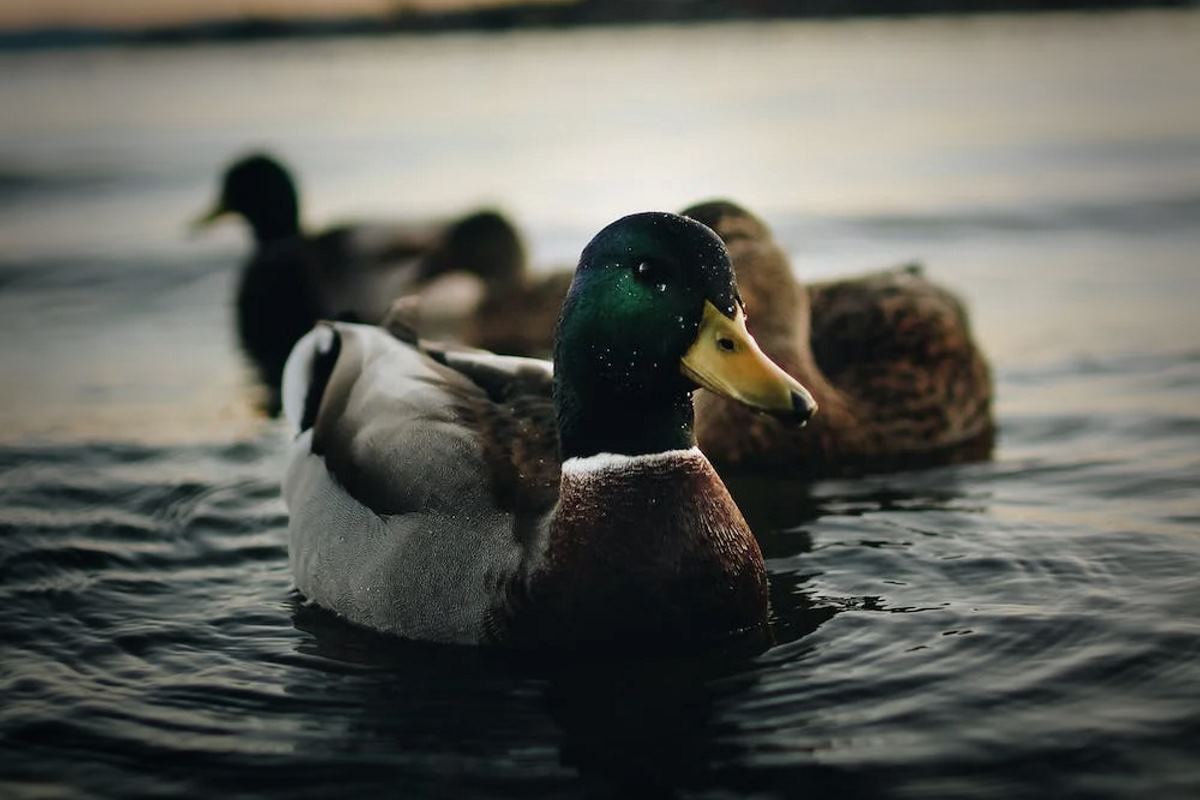
Noise is also tied to routine behavior. Ducks often call when they are moving, changing position, looking for food, or reacting to unfamiliar sounds. A sudden disturbance can trigger a burst of calls, especially if one duck senses something the others have not yet noticed. This helps explain why a flock can become noisy very quickly, even in calm settings.
Other sounds ducks make
In addition to crying out, ducks make several other sounds, including quacking, cooing, and hissing. Each sound has its own role, and the meaning can vary depending on the situation.
Quacking
Quacking is the sound most people associate with ducks, and it is one of their main forms of communication. Ducks may quack to warn others of danger, express annoyance, or simply stay in contact with the group. In a flock, quacking can function almost like a conversation, with birds responding to one another in short bursts.
Cooing
Cooing is another sound ducks can make, and it is often used by females when attracting mates. It is usually softer than a quack and can serve as a more subtle signal. While it is less familiar to many people, it is part of the broader vocal language that ducks use to interact.
Hissing
Hissing usually appears when a duck feels angry or threatened. Unlike quacking, which is often social, hissing is more defensive. A duck may hiss to make itself seem larger or more intimidating and to discourage a perceived threat from coming closer.
These different sounds show that ducks rely on a surprisingly varied system of communication. Their calls are not just background noise; they are tools for survival, mating, and group coordination. When you hear a duck vocalizing at night, it may be responding to a nearby disturbance, signaling to other ducks, or simply maintaining contact with the flock.
Why ducks may seem louder at night
Night can make duck calls feel more dramatic because the surrounding environment is quieter. Sounds travel more noticeably when there is less daytime activity, fewer human voices, and less traffic noise. A duck call that might go unnoticed in the afternoon can seem much louder after dark.
Ducks may also be more alert at certain times of day if they are unsettled by weather, predators, or changes in their habitat. For a flock, calling can serve as a way to stay together and confirm that everyone is safe. In other words, the noise itself is often part of how ducks keep track of one another.
If ducks appear especially vocal near a pond, garden, or farm, it may be because they are reacting to movement, searching for a resting place, or communicating with ducks nearby. Their calls can sound repetitive to human ears, but for the birds, those sounds are meaningful and practical.
So the next time you hear a duck calling at night, remember that it is likely doing exactly what ducks do best: communicating. Whether it is trying to attract a mate, warn the flock, or respond to a disturbance, the sound is part of a natural language that helps ducks live and move together.
latest posts published

Pregnant Dog: How to Prepare for the Arrival of the Puppies?

Death and Inheritance Rights: Who Inherits Your Pet? What You Need to Know

Senior Dog Kibble: At What Age Should You Switch?

Which Dog Breeds Don’t Shed Hair?

Bringing Your Dog or Cat to the Casino: Is It Really Possible?

What Are the Most Beautiful Cat Breeds?

Why Does My Dog Close Its Eyes When I Pet Its Head?

How to Clean Your Cat’s Ears Without Stress

Sterilizing My Cat: The Real Pros and Cons