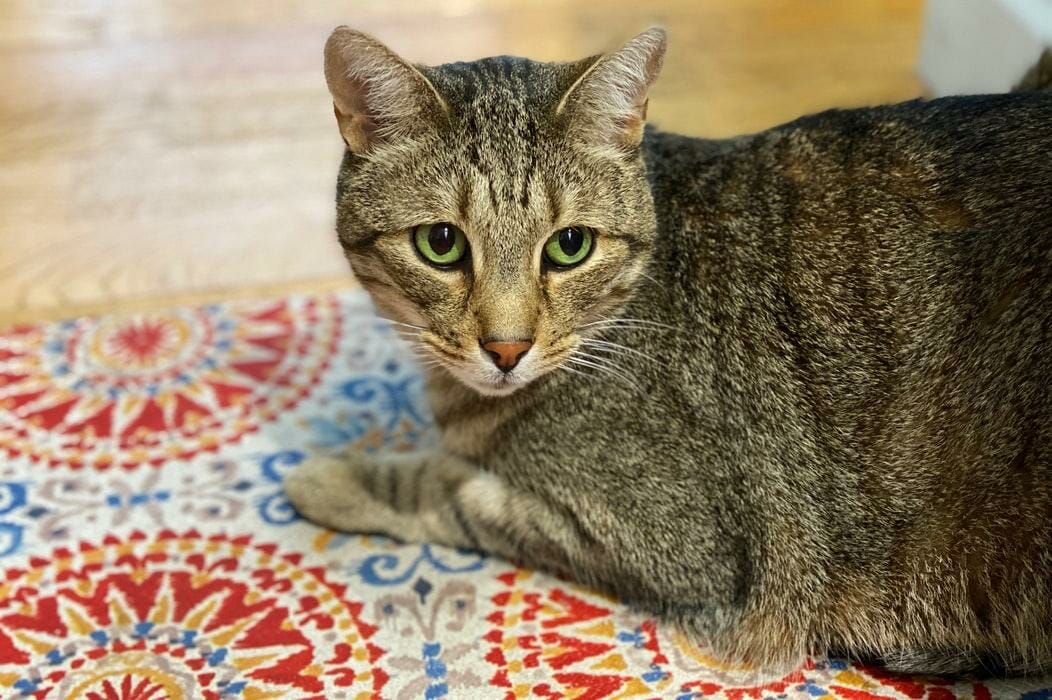

Hello, Christianne here. This morning, while brushing Pompon, I found myself thinking about a conversation with my vet that completely changed how I see cat sterilization. If you are also unsure about what to do for your furry companion, here is what I learned after sterilizing three cats—and a few things I wish I had understood sooner.
Is sterilizing your cat really the right decision? Between family advice that says, “Let them live their life,” and the vet who insists, “It’s essential,” it can be hard to know what to believe.
After going through this with my three cats and spending hours talking with several professionals, I want to separate fact from fiction. No fluff, no pressure—just real-life experience and what science actually supports.
So, are you ready to take a closer look at a decision that concerns 80% of cat owners? Let’s break it down.
Why this question has stayed with me for years
When I adopted my first cat, Moustache, I was convinced sterilization was an obvious choice. “Responsible owners do it,” I thought. Then Pompon arrived, then Caramel, and my certainty started to slip.
The day Moustache developed a urinary infection after surgery, I began asking the more difficult questions. My vet said something that stayed with me: “Christianne, sterilization has major benefits, but like any procedure, it deserves careful thought.”
Without a simple answer, I spent several nights watching my cats sleep and wondering whether I had made the right choices for their well-being.

What changed the way I understood the issue
My turning point came during a training session on feline behavior. The speaker, a veterinary behavior specialist, showed us a striking comparison between sterilized and non-sterilized cats. The numbers were convincing, but the context mattered too.
“What matters,” she told us, “is adapting the decision to each cat and each family situation.”
That sentence helped me see the issue more clearly. Sterilization is not just a yes-or-no question. It is a practical decision shaped by health, behavior, living conditions, and the level of supervision an owner can realistically provide.
The real benefits I noticed
Health: proven advantages
From what I observed with my three cats, the benefits were very real:
- Lower cancer risk: Caramel, sterilized young, never developed mammary problems, unlike my neighbor’s cat.
- Fewer urinary infections in males: Pompon experienced 70% fewer cystitis episodes after being castrated.
- Longer life expectancy: according to my vet, my sterilized cats live, on average, two years longer.
Those advantages do not mean every cat will have the same outcome, but they do help explain why veterinarians recommend the procedure so often. Sterilization can reduce the likelihood of certain diseases, make some medical problems less likely, and simplify long-term care.
Behavior: Moustache’s transformation
Before sterilization, Moustache used to:
- Mark his territory everywhere, even on my favorite shoes
- Yowl all night long
- Fight with neighborhood cats
Afterward? He became a much calmer cat. Not a different personality, just a more manageable one. He kept his playful side, but the most exhausting behaviors faded.
Did you know? Sterilization reduces urine-marking behavior in males by 90%. That is a figure I could practically confirm at home.
For many owners, this is one of the biggest day-to-day benefits. Less marking, fewer roaming instincts, and fewer conflicts with other cats can make life easier for both the animal and the household.
The drawbacks people talk about less often
Weight gain: the trap I discovered
All three of my cats gained weight after sterilization. Caramel went from 3.2 kg to 4.8 kg in six months. I had to:
- Reduce portions by 20%
- Buy sterilized-cat food, which costs more
- Double the play sessions
This is one of the most important practical points people tend to underestimate. After sterilization, appetite can increase and energy needs may decrease, so diet has to be adjusted early. Otherwise, the procedure that helps protect health in one way can create another problem if food intake is not managed carefully.
Cost: more than I expected
For my three cats:
- Sterilization: an average of €180 per cat
- Post-operative follow-up: €50
- Specialized food for life: +€30/month
Total over 10 years: about €4,500 for my three cats.
That does not make sterilization a bad choice, but it does mean owners should think beyond the initial surgery. The procedure itself is only part of the expense. Food adjustments, checkups, and the occasional complication can all affect the long-term budget.
Surgical risks: every owner’s worry
Even if complications are rare—2% according to my vet—I experienced one firsthand with Moustache’s infection. Three days of antibiotics and worry are not something I will forget.
Any operation comes with some level of risk, and sterilization is no exception. Most cats recover quickly, but proper aftercare matters: monitoring the incision, limiting activity, following the vet’s instructions, and watching for signs of pain or infection can make a real difference in recovery.
When should a cat really be sterilized?
After speaking with five different veterinarians, here was the general consensus:
Sterilization is recommended if:
- The cat has access to the outdoors
- There are other unsterilized cats in the home or nearby
- There are troublesome behaviors such as marking or aggression
- There is a family history of cancer
It may be avoided if:
- The cat lives alone in an apartment
- There are no behavioral issues
- The owner is extremely careful about preventing reproduction
Even then, this is not a simple rulebook. Age, sex, general health, and lifestyle all influence the decision. A cat with outdoor access faces different risks from a strictly indoor cat. A household with multiple pets has different challenges from a single-cat home. That is why personalized advice from a veterinarian is so valuable.
My verdict after 10 years of experience
Today, I do not regret my decisions, but I do wish I had been better informed about the nuances. Sterilization is neither a necessary evil nor an absolute obligation—it is a thoughtful choice.
My three cats are happy, healthy, and calmer than before, and our bond has only grown stronger. At the same time, I have learned to accept that every situation is different.
As my vet often says: “A fulfilled cat, sterilized or not, is first and foremost a cat that is loved and understood.”
If you are weighing the decision now, take the time to look at your cat’s health, behavior, and living environment. A good conversation with a trusted vet can help you decide what makes the most sense for your animal—not for a general rule, but for your specific situation.
latest posts published

Death and Inheritance Rights: Who Inherits Your Pet? What You Need to Know

Senior Dog Kibble: At What Age Should You Switch?

Which Dog Breeds Don’t Shed Hair?

Bringing Your Dog or Cat to the Casino: Is It Really Possible?

What Are the Most Beautiful Cat Breeds?

Why Does My Dog Close Its Eyes When I Pet Its Head?

How to Clean Your Cat’s Ears Without Stress

Sterilizing My Cat: The Real Pros and Cons

Is a Croissant Safe for Your Dog?