
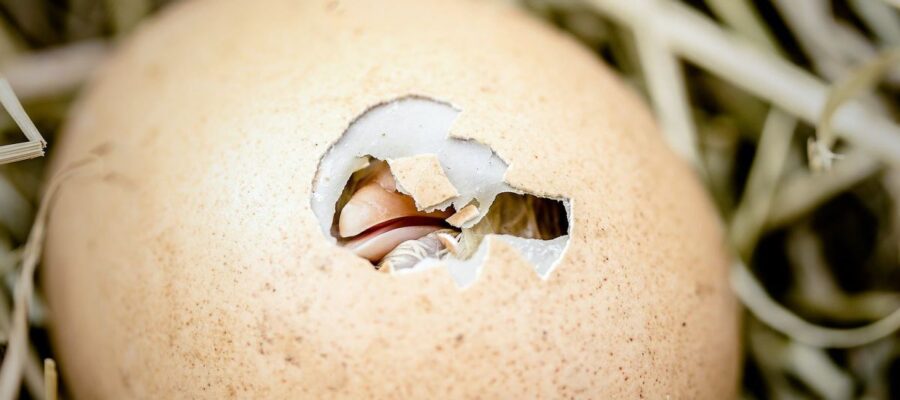
Finding your hens pecking at their own eggs can be upsetting. One moment the nesting box looks normal; the next, you are left with broken shells, spilled yolk, and a very unwelcome mess in the coop. The good news is that this behavior is common, and it can usually be corrected once you understand what is causing it. In most cases, hens do not eat their eggs out of “bad behavior” or simple greed. They are reacting to a need, a habit, or a stressful environment.
To stop it, you need to approach the problem from several angles at once: nutrition, housing, routine, and flock management. When those pieces are handled properly, most hens return to laying and leaving their eggs alone.
A behavior that often points to a nutritional shortage
The technical term for eating eggs is ovo-phagy, and it most often signals an imbalance in the flock’s diet. A laying hen needs a lot of nutrients to produce a strong shell, and when those nutrients are missing, she may start looking for them in the most obvious place: the egg itself.
Calcium is usually the first thing to check. It is essential for shell formation, and a hen that does not get enough calcium may begin to crack open her own eggs in an attempt to recover what her body needs. This is especially common in young hens that have just started laying, as well as birds fed an unsuitable ration.
Protein matters too. Eggs are naturally rich in high-quality protein, so a hen with a protein shortage may be drawn to them once she has had a chance to taste the contents. What starts as curiosity can quickly become a habit.
When boredom turns hens into troublemakers
Behavioral causes are just as important. A hen that has too little space, too little stimulation, or too little to do may develop destructive habits. Chickens are busy animals by nature. They scratch, peck, explore, and search for interesting things throughout the day. When that energy has no outlet, the nesting box can become the target.
Stress can make the problem worse. A change in routine, the arrival of new hens, excessive crowding, or the presence of predators around the coop can all create tension. In a stressed flock, one bird may start pecking at eggs and the others may copy the behavior.
Some hens also learn very quickly. If an egg breaks by accident and they discover that the contents taste good, the pattern can be hard to break. What began as a one-time event may become a repeated habit.
Did you know?
A healthy, well-fed hen can lay around 250 eggs per year on average. A hen that eats eggs may reduce that output significantly.
Practical solutions that really work
The first step is to review the diet. A good layer feed should provide the nutrients hens need for consistent egg production, including enough protein. It is also wise to offer a separate source of calcium, such as crushed oyster shells, so hens can take what they need as they lay.
Some keepers also use dried, crushed eggshells as a supplement. That can be a sensible way to recycle eggshells, but they should be well cleaned and fully dried before being returned to the flock. The key is to give hens access to calcium in a form they can use without creating a temptation to peck at fresh eggs.
The coop itself deserves attention too. Nesting boxes should feel calm, dark enough, and comfortable, with clean bedding such as fresh straw. Hens are more likely to lay properly when they feel protected and undisturbed.
Collect eggs frequently, ideally several times a day if possible. The less time an egg spends in the nesting box, the less opportunity there is for it to be broken, pecked, or treated as something to investigate. This small routine change can make a big difference.
It also helps to keep your flock busy. Add enrichment that encourages natural behavior: hang leafy greens, scatter dry leaves or straw for scratching, provide perches at different heights, and rotate objects that make the coop more interesting. A hen with things to do is far less likely to fixate on eggs.
The fake egg trick that can stop the habit
One old-fashioned method sometimes used by experienced keepers is the fake egg trick. The idea is simple: create a strong negative experience that discourages pecking. An egg can be emptied through small holes, then filled with a very unpleasant tasting substance before being sealed again. When a hen pecks it, the result is memorable enough to break the association between eggs and food.
This method is not a miracle cure, but it can help in cases where a bird has already developed a strong egg-eating habit. It works best when combined with better nutrition, faster egg collection, and a calmer nesting area. On its own, it is usually not enough.
Patience and consistency are the real keys
Breaking an egg-eating habit takes time. Some hens stop within a few days once the cause is removed. Others need several weeks of close attention before the behavior disappears completely. The important thing is to stay consistent and not let the problem go unchecked.
If one hen seems to be the main troublemaker, temporary isolation may help. Removing the bird that started the behavior can sometimes stop the rest of the flock from copying it. That said, isolation should be used as part of a broader plan, not as the only solution.
“Taking care of an animal means understanding its needs before judging its behavior.”
Egg-eating is not a mystery once you look at it closely. It is usually a sign that something in the hen’s world needs adjusting, whether that means better feed, more calcium, less stress, or a more stimulating coop. When you respond quickly and patiently, you greatly increase the chances of restoring normal laying behavior.
latest posts published

Dog Supplies: Essential Checklist Before Adoption (2026 Guide)
How to Understand Your Hamster’s Behavior

How to Feed an Unweaned Kitten –

Medium-Haired Cats: Breeds, Temperament, and Prices – Cat Breeds
When and How to Find an Emergency Veterinarian

Chocolate Labrador: This Secret Could Save Its Health

What Should I Do If My Dog Breaks a Leg?
The Modern Challenges Facing Farmers Today –

Healthy Dog: How to Spot the Key Warning Signs