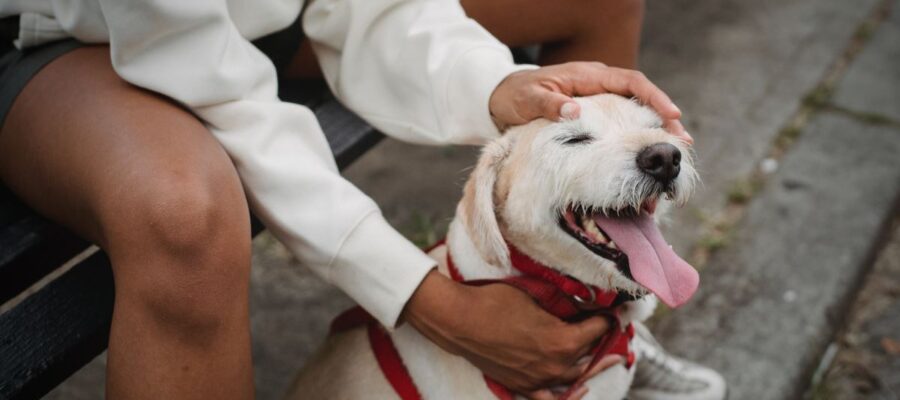
When it comes to our pets, we often find ourselves trying to decode every little reaction. Why does my dog close his eyes when I pet his head? Does he truly enjoy it, or is he simply tolerating the attention? And why do cats sometimes seem so distant—are they really indifferent, or do they express affection in quieter ways?
Scientists have studied animal behavior extensively, and the answers are often more interesting than we expect. In many cases, the behaviors that seem mysterious at first are tied to learning, comfort, instinct, and body language. Looking closely at these signals can help us understand what our companions are actually communicating.
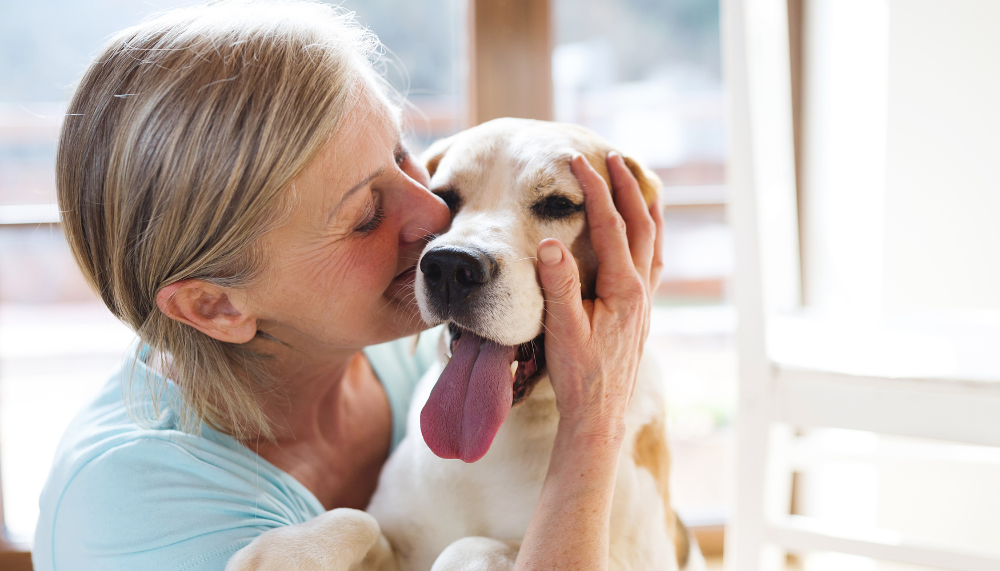
So why does my dog close his eyes when I pet his head?
The most likely explanation is that your dog is responding to what scientists call positive reinforcement. If head petting feels pleasant, your dog begins to associate that experience with you. Over time, that connection can make him more likely to seek out your attention and affection again.
Research published in Science found that dogs who received positive reinforcement, such as treats and praise, when interacting with their owners were more likely to approach them again later. By contrast, dogs that received no reinforcement tended to avoid their owners more often. In other words, pleasant interactions shape future behavior.
So when your dog closes his eyes, it may simply be a sign that he is relaxing and enjoying the moment. It can look almost as if he is savoring the affection, which in a way, he probably is. That small gesture often reflects comfort, trust, and a sense of security.
Head petting is not always welcome
That said, not every dog likes to be touched on the head. If your dog pulls away, whines, stiffens, or growls when you reach for him, it is best to stop and respect his boundaries. Some dogs simply do not enjoy that kind of contact, and others may be uneasy because of past experiences.
For example, a dog that has had negative experiences around the neck or head may react defensively when approached there. In some cases, what looks like stubbornness is actually discomfort or fear. A sensitive neck, an unfamiliar touch, or a bad memory can all make head petting unpleasant.
If your dog prefers not to be petted on the head, try offering affection in other ways. Many dogs prefer a gentle chest rub, a scratch behind the ears, or a calm massage on the shoulders or back. A soft brush or comb can also be a more acceptable way to create a soothing interaction. If your dog consistently avoids touch in that area, a professional trainer or behavior specialist can help identify the cause and suggest safer, more comfortable alternatives.
Understanding dog body language
One of the most important things to remember about dogs is that they communicate constantly through body language. Their tails, ears, eyes, posture, and even the way they move all help convey what they are feeling. A dog may not speak our language, but he is always saying something.
A wagging tail, for instance, often signals excitement or happiness, especially when the whole body is loose and relaxed. But tail movement alone does not tell the full story. A tail held low or tucked between the legs usually points to fear, stress, or insecurity.
The ears provide another valuable clue. Dogs can move their ears independently, which gives them a surprisingly precise way to communicate. Ears pointed forward and held in a relaxed position often suggest curiosity or interest. On the other hand, ears pulled back tightly against the head can indicate anxiety, uncertainty, or fear, especially if the dog is also staring wide-eyed at whatever is happening around him.
Eyes are equally expressive. A soft, relaxed gaze usually suggests friendliness and affection. A dog who looks at you calmly, with loose facial muscles, is often comfortable and at ease. But a hard, fixed stare can mean something very different. In certain situations, intense eye contact may signal tension, threat, or aggression.
Paying attention to these signals together is essential. A single gesture can be misleading on its own, but when you look at the whole body, the picture becomes much clearer. A dog that appears relaxed, for example, will usually have loose ears, a soft mouth, and fluid movements. A nervous dog may appear stiff, avoid eye contact, or shift his weight away from the source of stress.
Learning to read your dog’s body language makes everyday interactions safer and more rewarding. The better you understand his signals, the easier it becomes to respond in a way that builds trust and strengthens your bond.
latest posts published
Pregnant Dog: How to Prepare for the Arrival of the Puppies?
Death and Inheritance Rights: Who Inherits Your Pet? What You Need to Know
Senior Dog Kibble: At What Age Should You Switch?

Which Dog Breeds Don’t Shed Hair?

Bringing Your Dog or Cat to the Casino: Is It Really Possible?

What Are the Most Beautiful Cat Breeds?

Why Does My Dog Close Its Eyes When I Pet Its Head?
How to Clean Your Cat’s Ears Without Stress

Sterilizing My Cat: The Real Pros and Cons